The building hardware industry is undergoing a noticeable shift as architects, contractors, and property developers place greater emphasis on sustainability, accessibility, and lifecycle efficiency. Door control systems, once viewed as simple functional hardware, are now part of broader conversations around green construction, energy-conscious buildings, and user-friendly commercial spaces. Across office projects, healthcare facilities, educational buildings, and hospitality environments, buyers are increasingly looking for hardware solutions that balance durability, smooth operation, and environmental responsibility. For manufacturers, this means product development is no longer focused only on mechanical reliability — long-term sustainability and intelligent usability are becoming equally important.
Green Building Standards Are Influencing Hardware Selection
Global construction trends show that sustainability requirements are moving deeper into the specification process for commercial and residential projects. Industry reports covering 2026 building hardware trends highlight rising demand for recyclable materials, longer product lifespan, and low-maintenance hardware systems that support green building certifications.
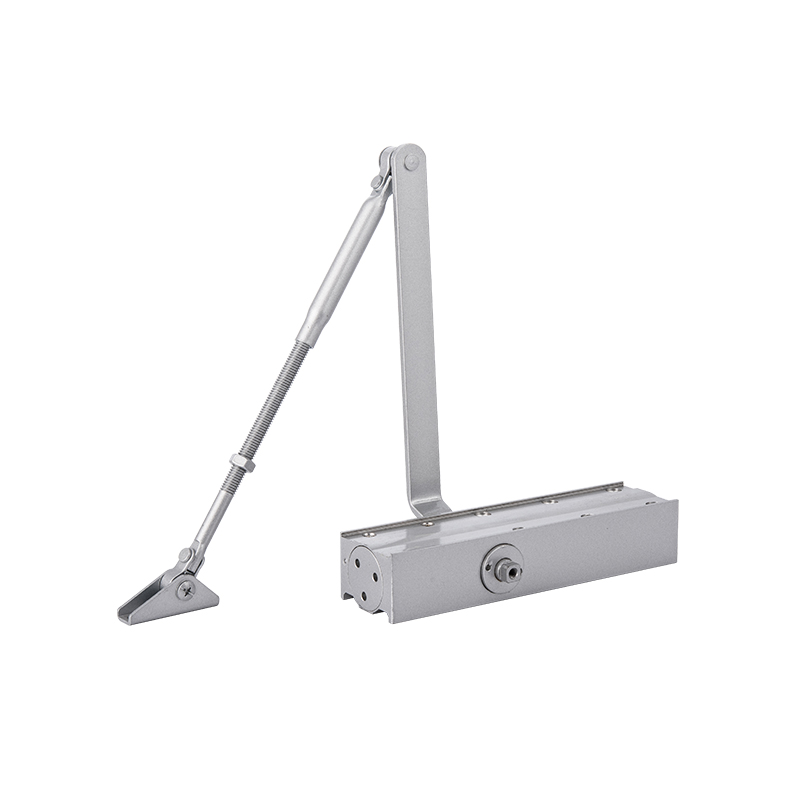
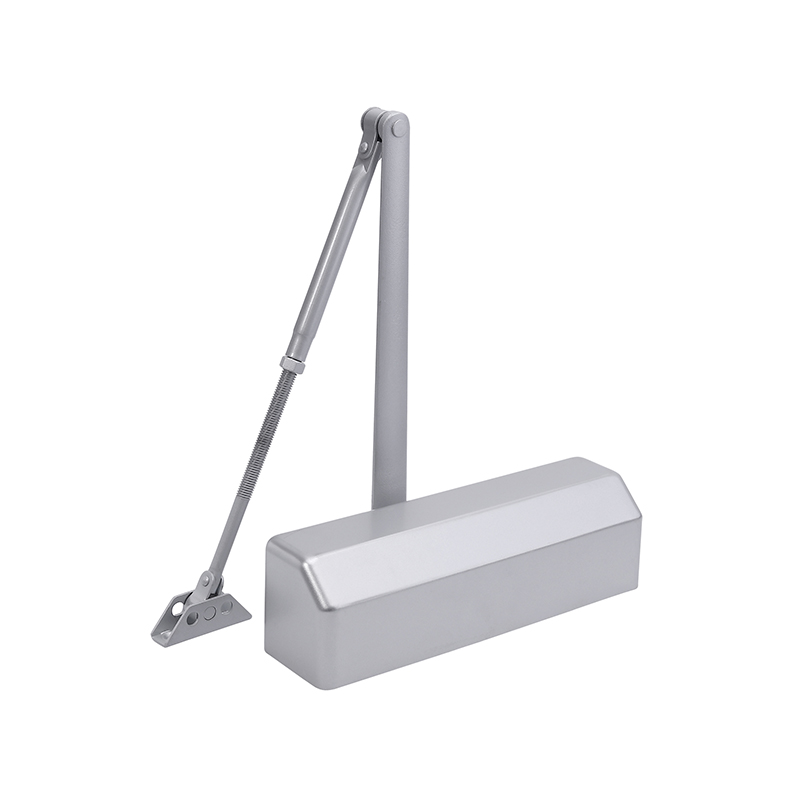
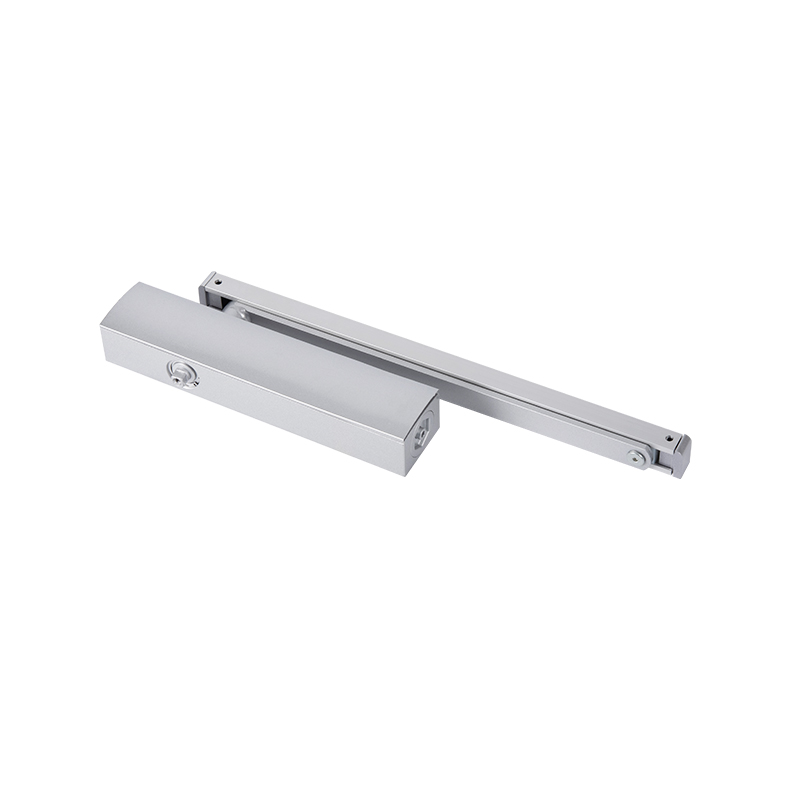
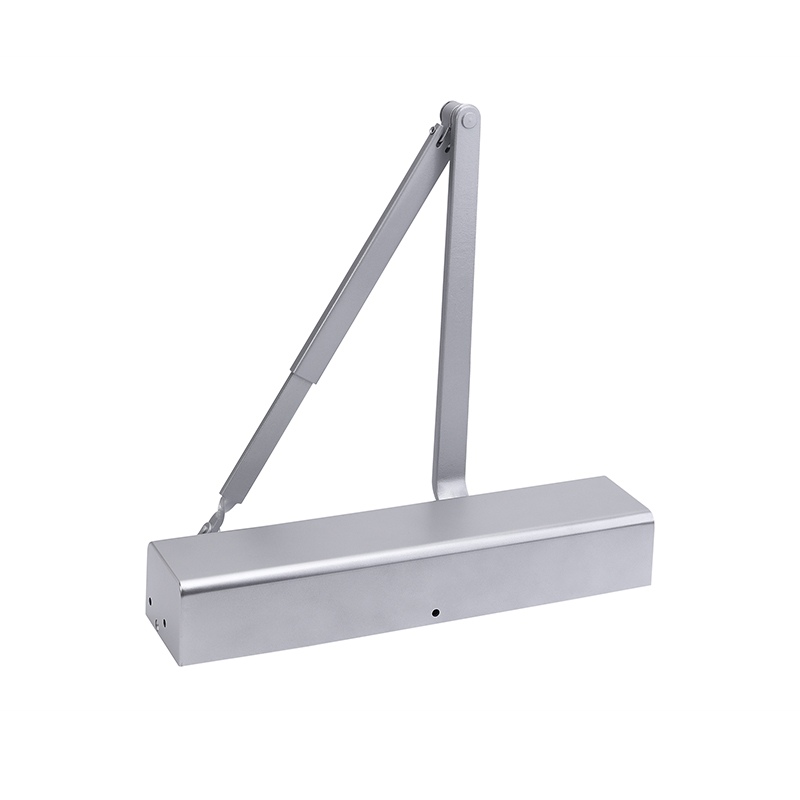
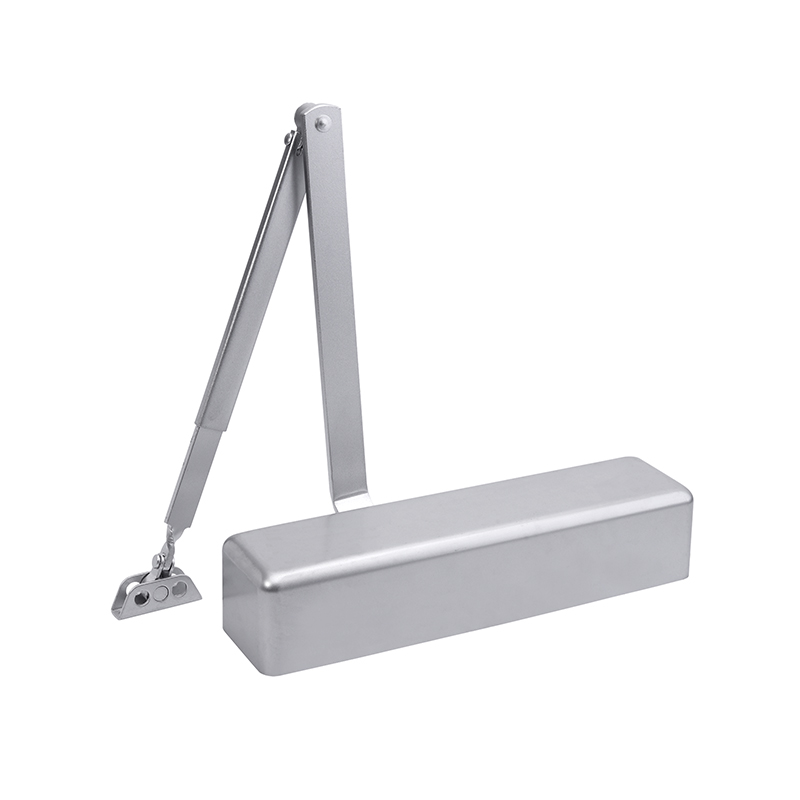
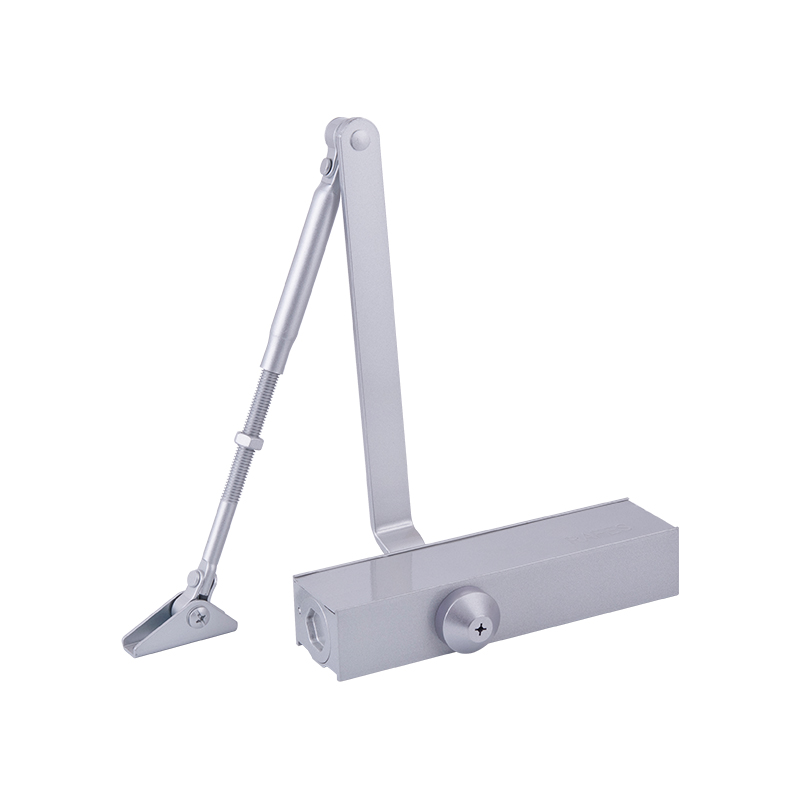
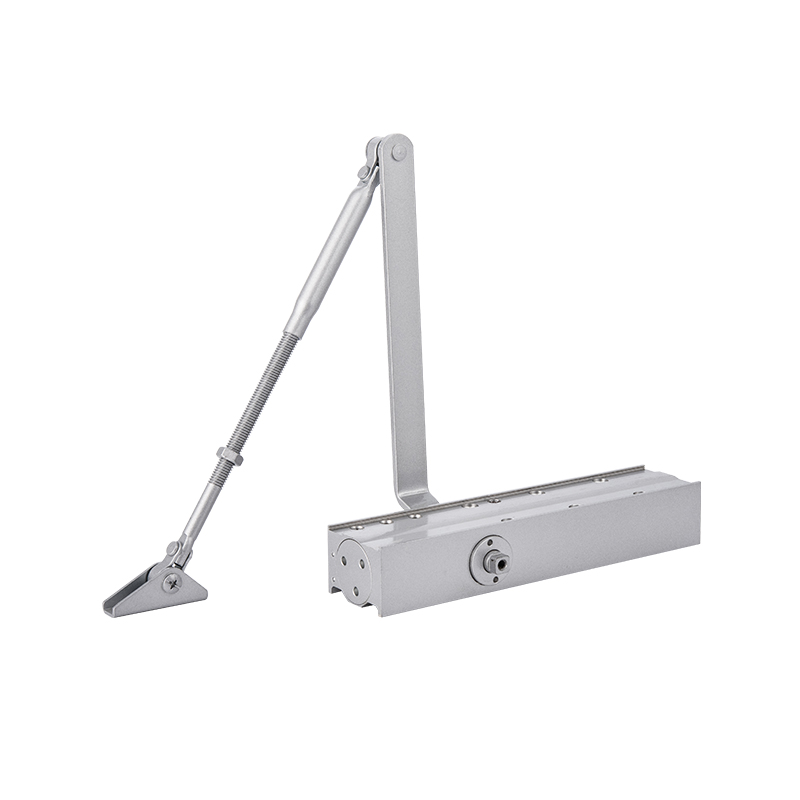
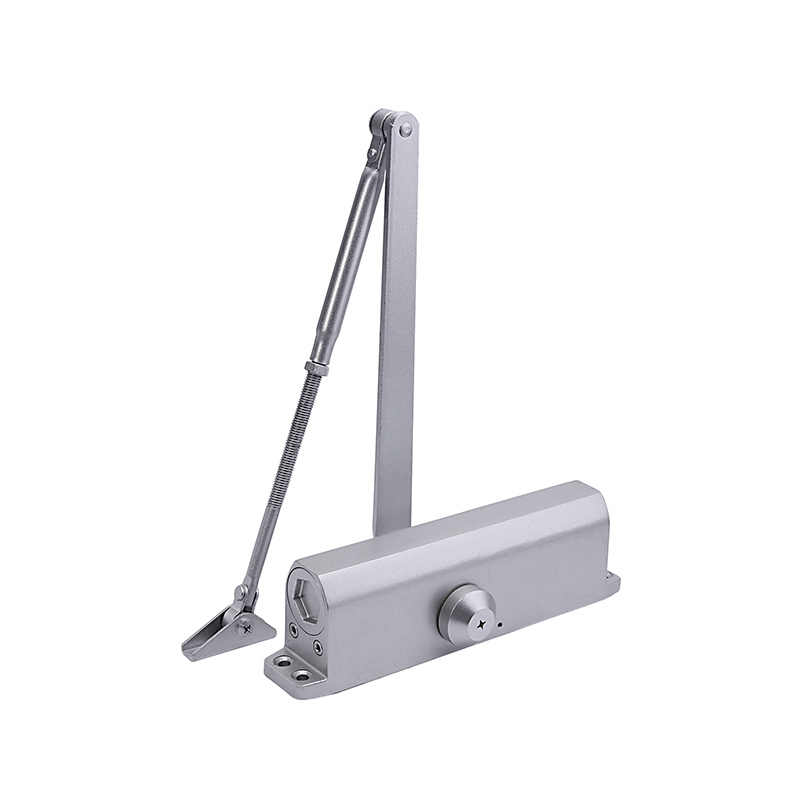
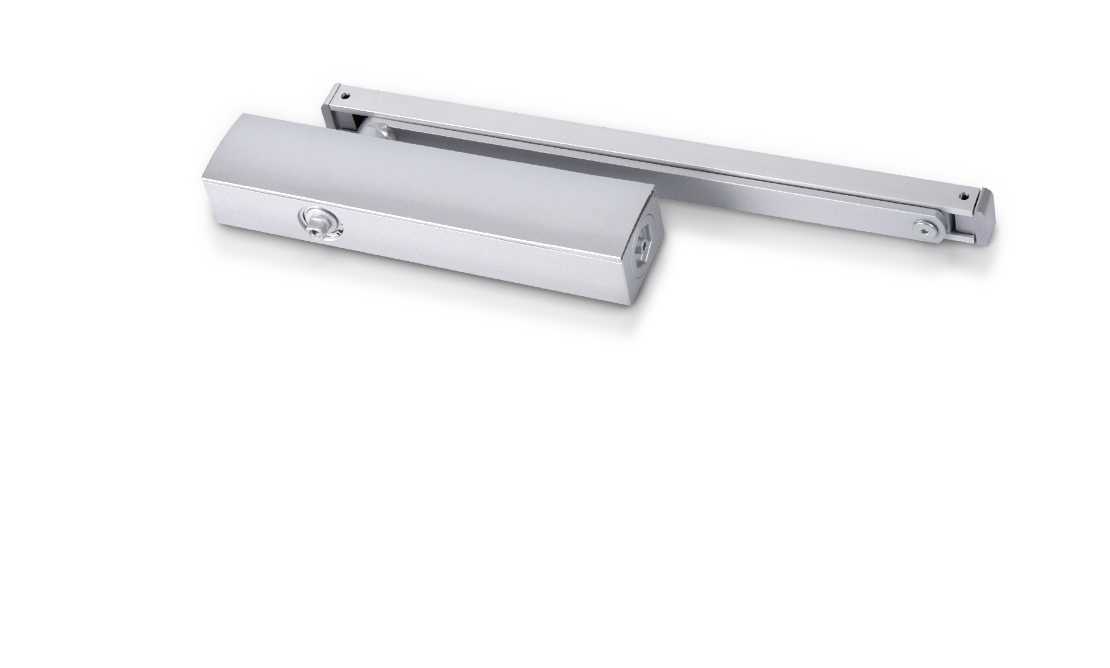
In this environment, products such as a Carbon Neutrality Door Closer are receiving more attention from architects and procurement teams seeking hardware solutions aligned with energy-conscious building strategies.
Unlike traditional hardware designed only for basic closing functions, modern sustainable door control systems are expected to contribute to:
- Longer operational lifespan
- Reduced replacement frequency
- Lower material waste
- Improved building accessibility
- Better compatibility with energy-efficient building designs
This shift reflects how even smaller hardware components are becoming part of broader ESG and sustainable procurement discussions.
Why Traditional Door Closers No Longer Fully Meet Modern Expectations
Older door closer systems were primarily designed around mechanical closing force and durability. While those factors remain important, modern commercial spaces require much more flexible performance.
One growing concern is user accessibility. Heavy or fast-closing doors can create inconvenience in hospitals, schools, hotels, and elderly care facilities where smoother movement is essential.
Another challenge involves maintenance efficiency. Conventional systems often require more frequent adjustment after extended use, especially in high-traffic environments.
Architectural design trends are also influencing hardware requirements. Minimalist interiors and integrated building systems now demand hardware that operates quietly while maintaining visual consistency with modern spaces. Industry trend reports indicate that low-profile and comfort-oriented door hardware solutions are becoming increasingly popular across commercial projects.
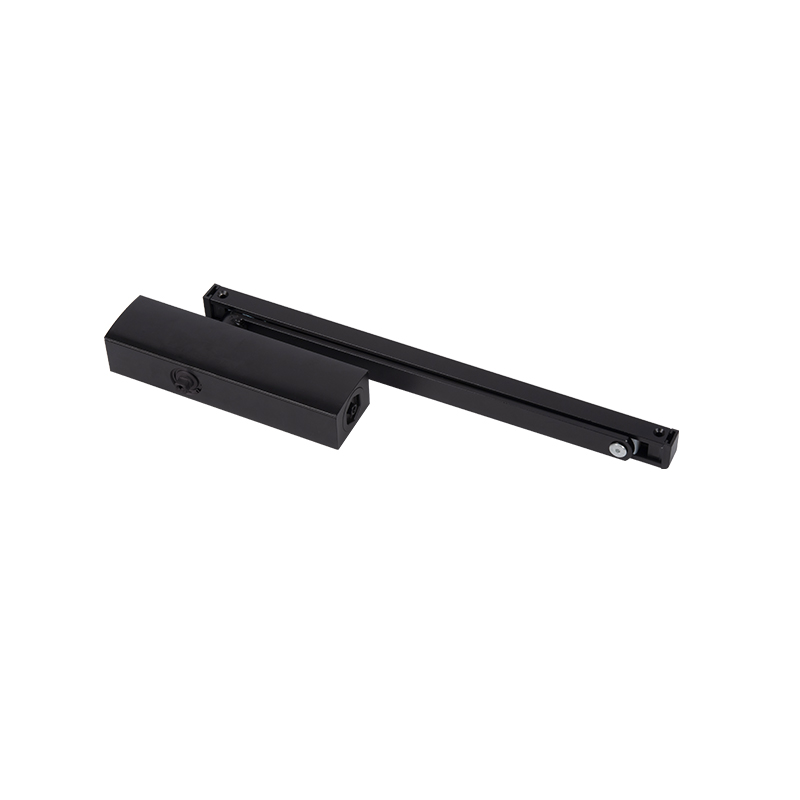
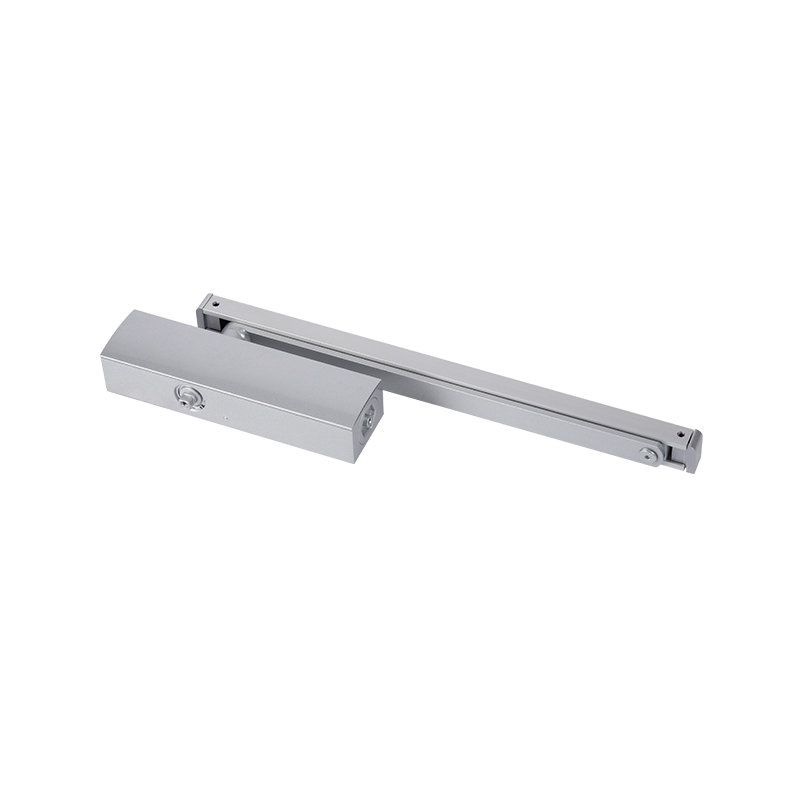
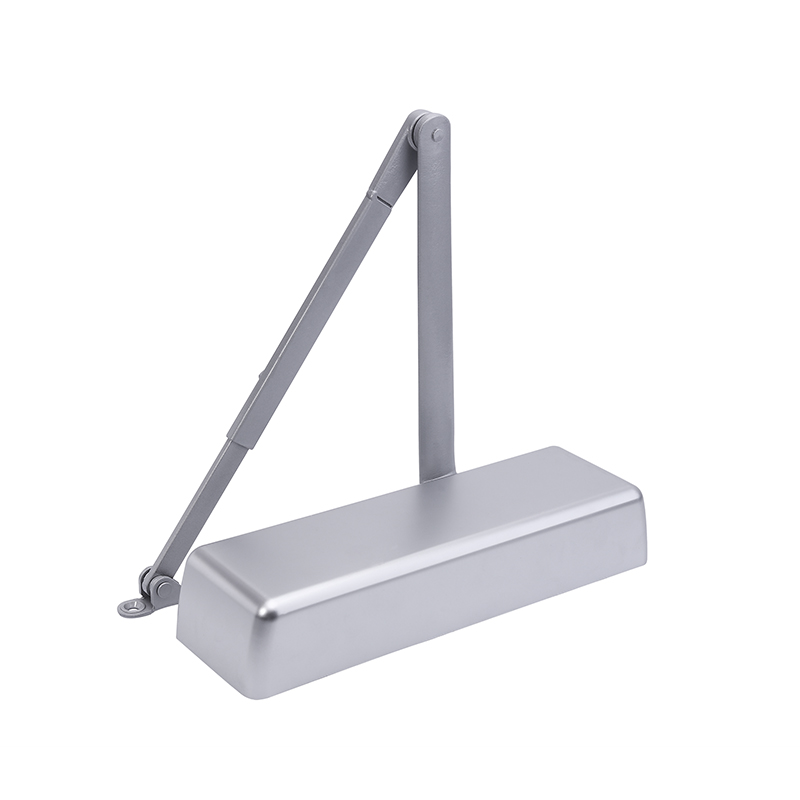
Because of these changes, more developers are evaluating advanced systems such as Delay Action Door Closer products that allow controlled closing speed and improved pedestrian flow management.
Sustainable Manufacturing Is Becoming a Competitive Advantage
Procurement teams are now paying closer attention to how building hardware is manufactured, not only how it performs after installation.
Recent construction industry reports show that buyers increasingly prefer suppliers capable of providing:
- Recyclable material usage
- Longer product lifecycle support
- Lower maintenance requirements
- Reduced packaging waste
- Compliance documentation for green building projects
This trend is particularly visible in Europe and North America, where embodied carbon and sustainable procurement discussions are becoming more influential in construction bidding processes.
For manufacturers, this means engineering decisions now involve both mechanical performance and environmental impact considerations.
Product Reliability Still Remains a Core Purchasing Requirement
Although sustainability is becoming more important, long-term operational stability remains a top concern for overseas buyers and engineering teams.
In high-traffic applications, buyers continue evaluating:
- Closing consistency after repeated cycles
- Corrosion resistance in different environments
- Hydraulic stability under long-term use
- Compatibility with different door structures
- Ease of installation and adjustment
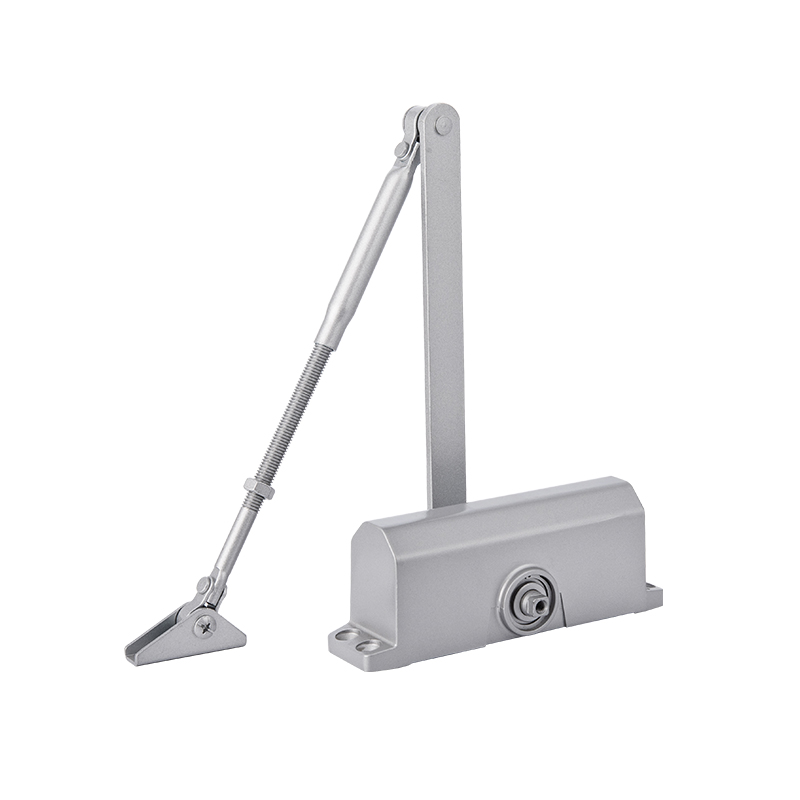
A modern Carbon Neutrality Door Closer must therefore balance sustainability goals with reliable daily performance, especially in commercial projects where continuous operation is expected.
This combination of durability and environmental consideration is becoming a key differentiator in global hardware procurement.
Smart and Low-Impact Hardware Will Shape Future Building Projects
The future direction of door hardware is becoming increasingly connected to intelligent building systems, sustainability policies, and user-centered architectural design.
Industry developments suggest that future hardware solutions will continue moving toward:
- Lower maintenance operation
- Integrated smart building compatibility
- Reduced environmental impact
- Improved accessibility performance
- Longer lifecycle engineering
As sustainable construction standards continue evolving, hardware manufacturers capable of combining operational reliability with environmentally conscious production strategies will remain increasingly valuable partners for global building projects.

 中文简体
中文简体
 English
 русский
 عربى
عربى