Commercial buildings are becoming more intelligent, more energy-conscious, and more focused on user experience than ever before. From office towers and hospitals to hotels and educational facilities, architects and developers are paying closer attention to how small hardware components influence the overall efficiency and accessibility of a building. Door control systems are no longer treated as simple mechanical accessories. Instead, they are increasingly viewed as part of a building’s operational strategy, affecting energy management, pedestrian flow, safety, and long-term maintenance planning.
Building Accessibility Standards Are Raising Hardware Expectations
One of the strongest trends influencing commercial hardware today is the growing emphasis on accessibility and smooth movement within public spaces. Modern building projects are expected to accommodate a wider range of users, including elderly visitors, wheelchair users, delivery personnel, and people moving equipment through shared spaces.
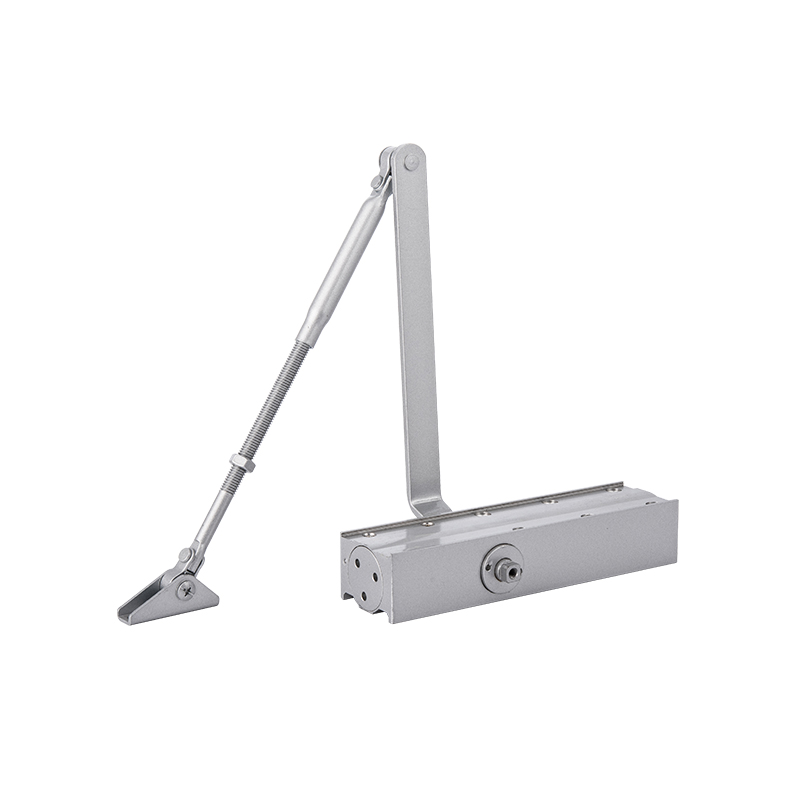
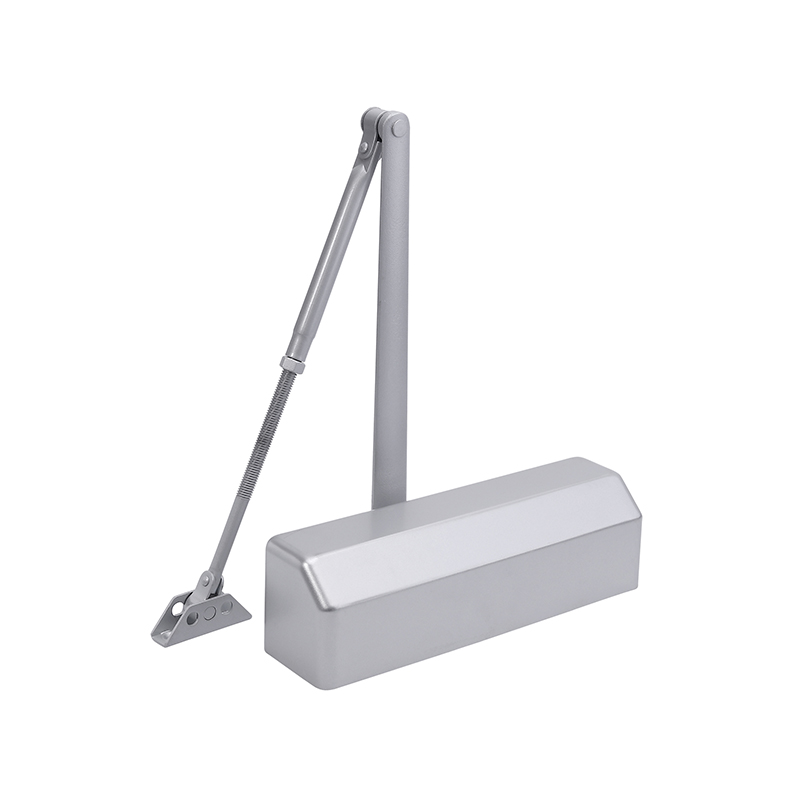
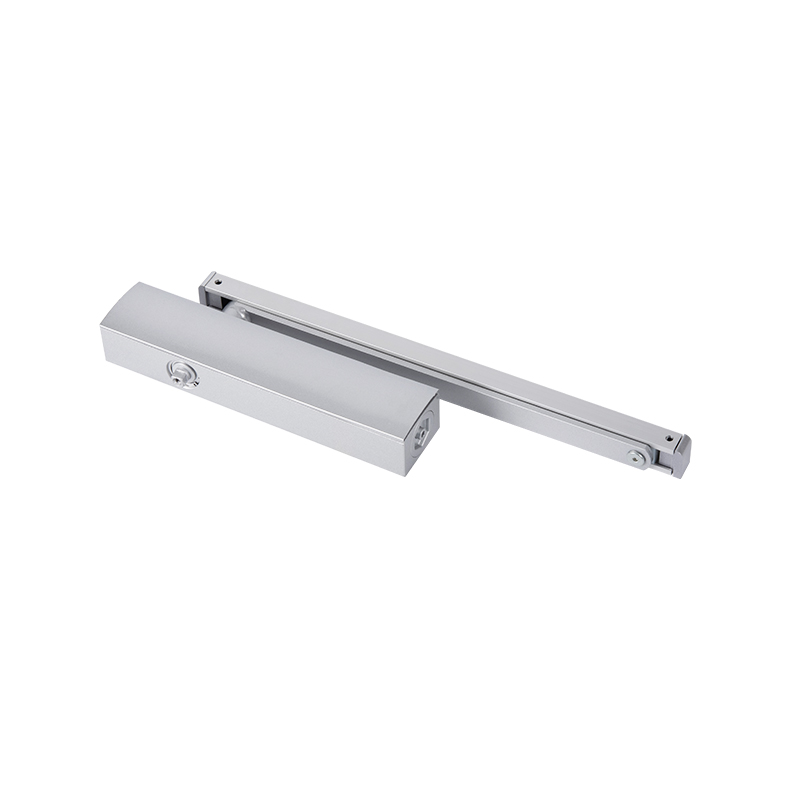
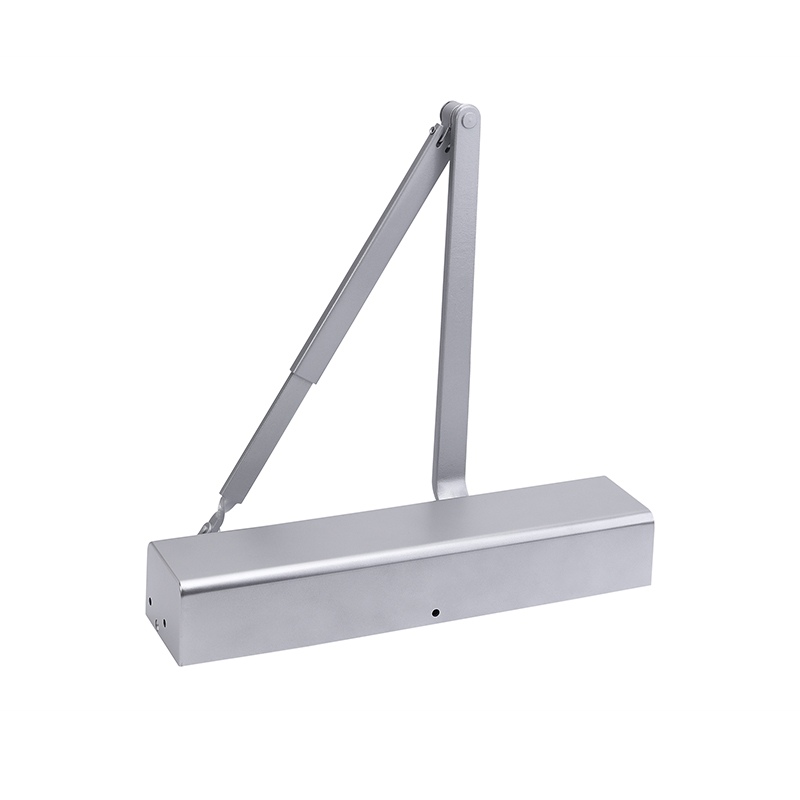
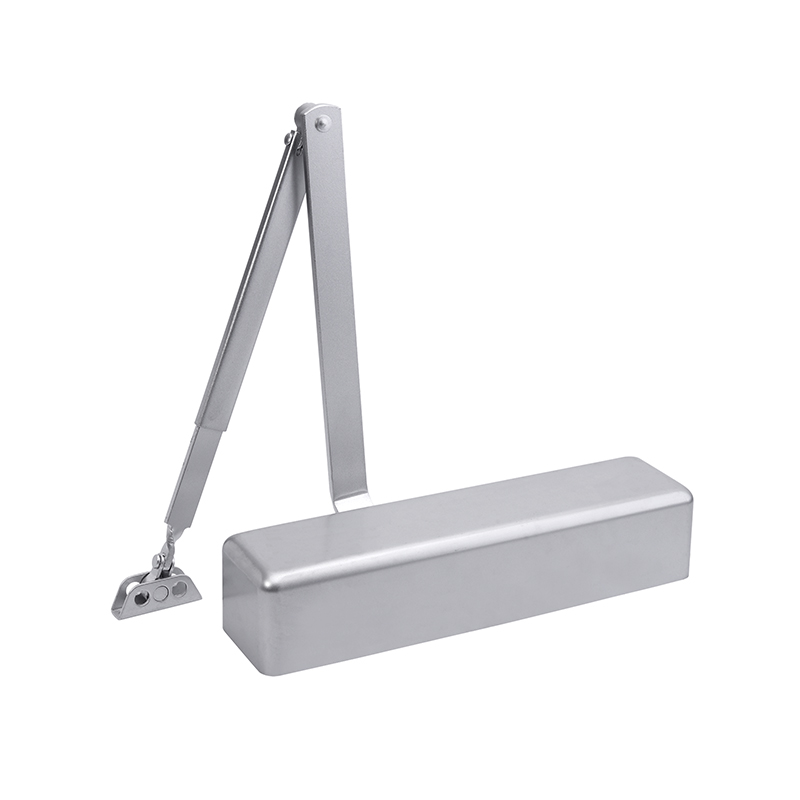
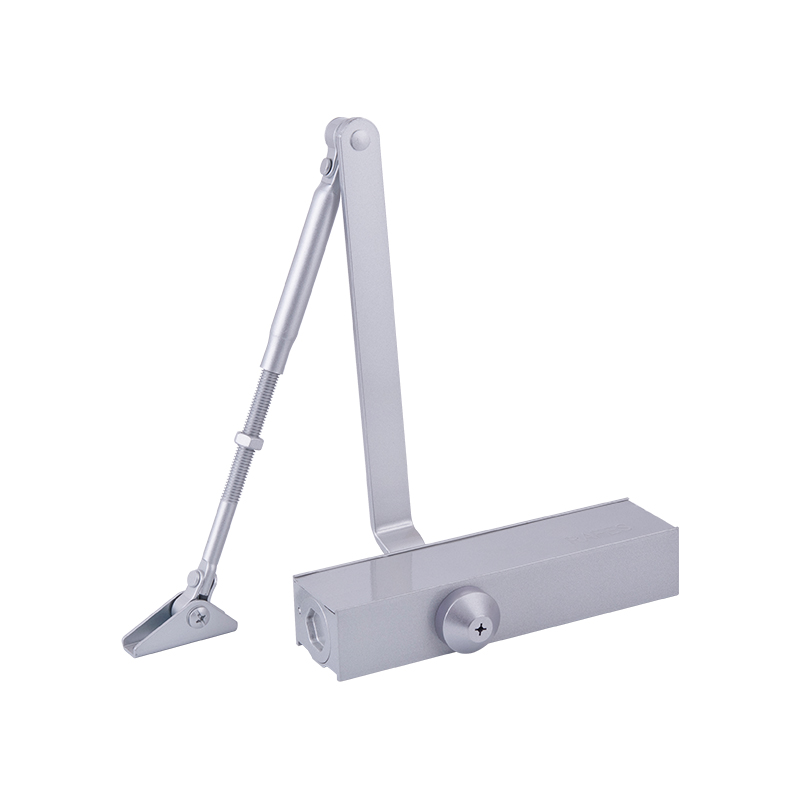
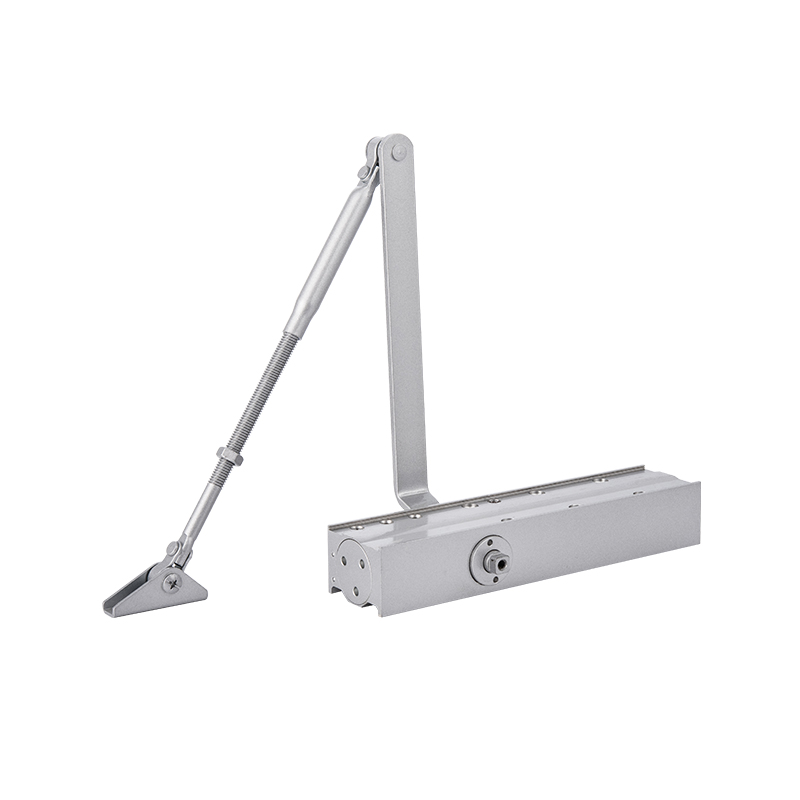
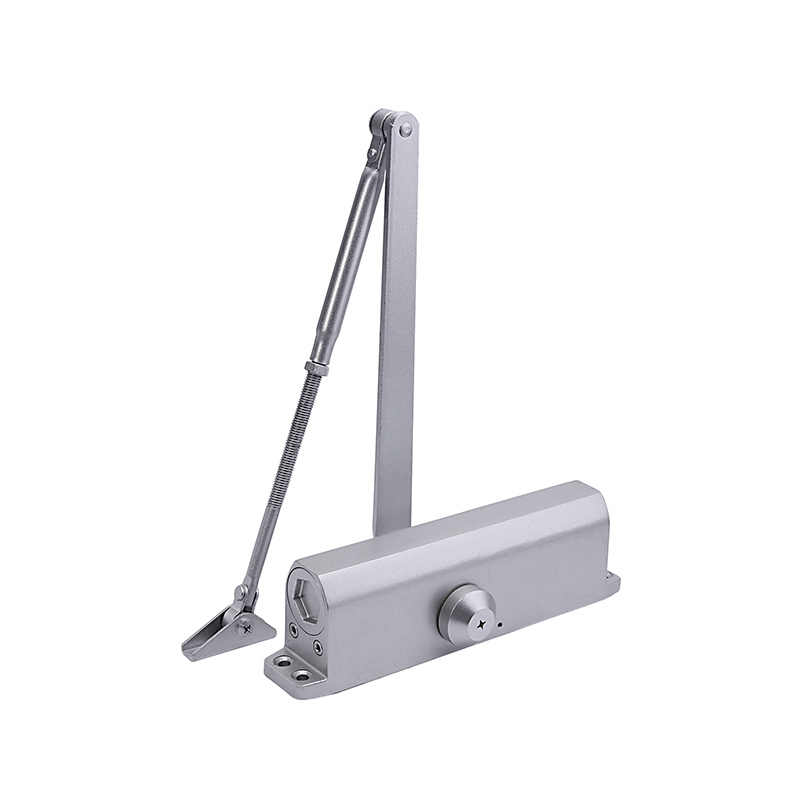
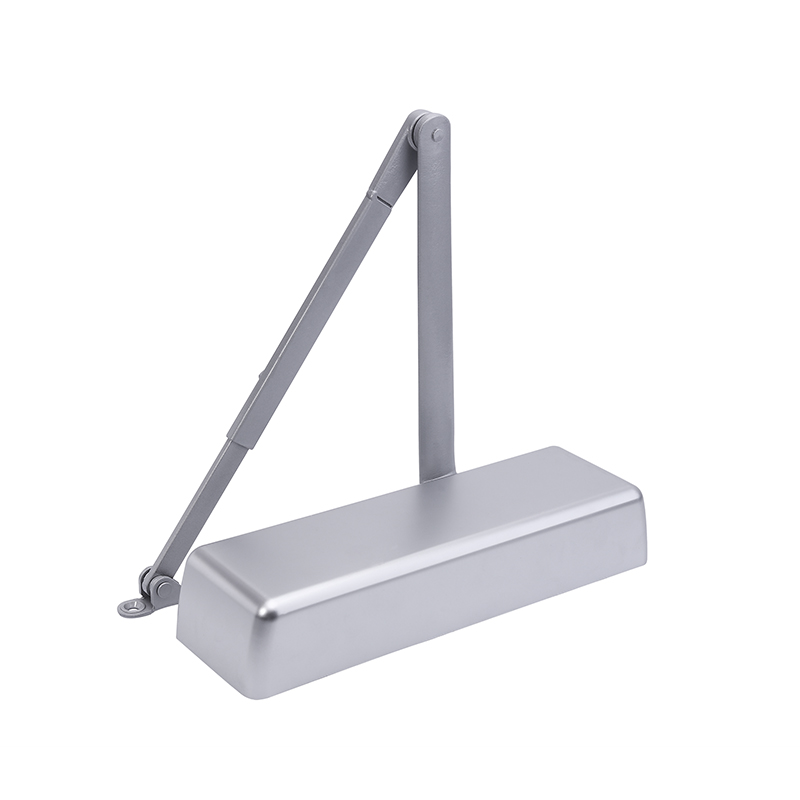
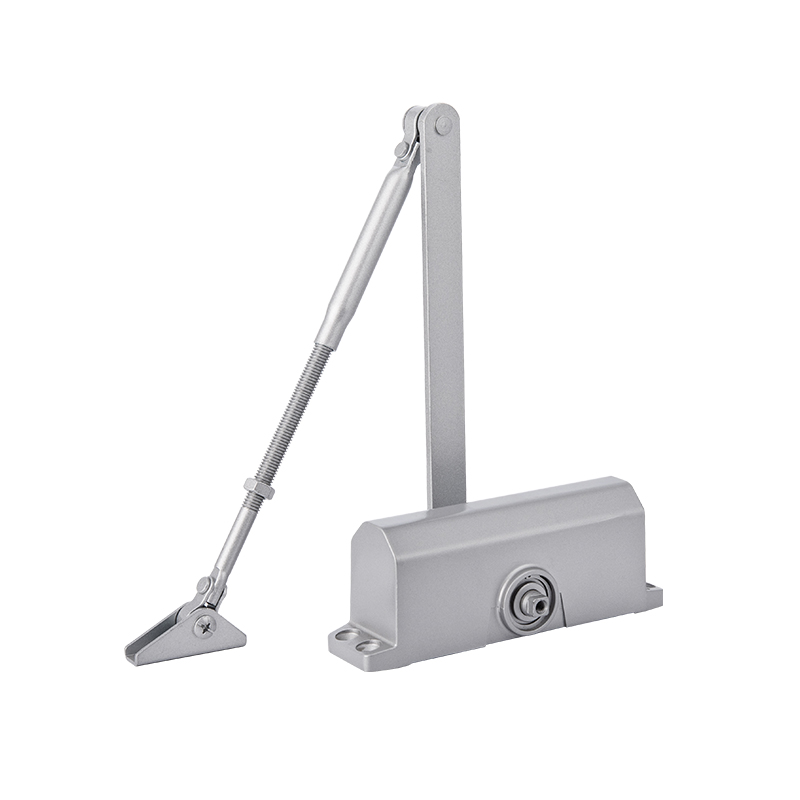
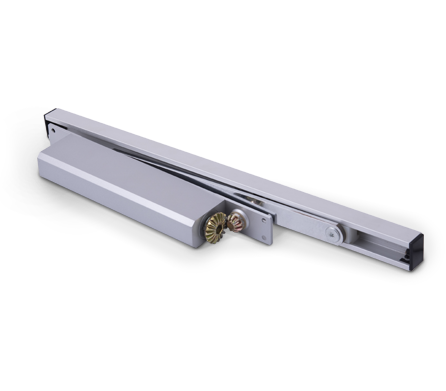
This has increased demand for products such as Delay Action Door Closer systems, which allow doors to remain open slightly longer before controlled closing begins. In hospitals, hotels, schools, and office environments, this feature improves movement efficiency while helping reduce abrupt door motion.
Architectural design trends are also contributing to this shift. Open-layout commercial spaces and minimalist interiors require hardware that operates quietly and blends naturally into modern building aesthetics.
Why Traditional Door Closers Are Becoming Less Suitable for Modern Projects
Conventional door closers were originally designed with a simple goal: automatically return doors to a closed position. While effective for basic use, many older systems struggle to meet the expectations of today’s commercial buildings.
One common issue is inconsistent closing control in high-traffic environments. Fast or heavy door movement can create inconvenience in spaces with frequent pedestrian flow.
Another challenge involves long-term maintenance. Older systems often require more frequent adjustment after continuous operation, particularly in public facilities where doors open and close thousands of times each week.
Energy efficiency is also becoming part of the discussion. Poorly controlled door movement may affect indoor climate stability in temperature-controlled buildings, increasing pressure on HVAC systems.
Because of these concerns, developers are increasingly evaluating more advanced door control solutions designed for smoother operation and lower maintenance requirements.
Sustainability Is Becoming Part of Hardware Procurement Decisions
The construction industry’s focus on carbon reduction and green building certification is now influencing hardware selection more directly than before.
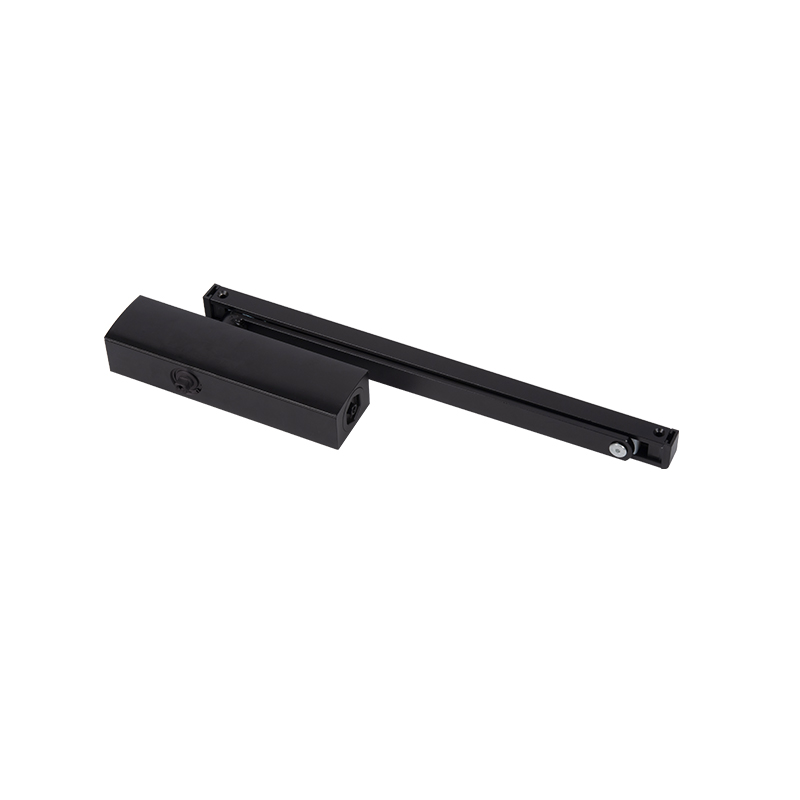
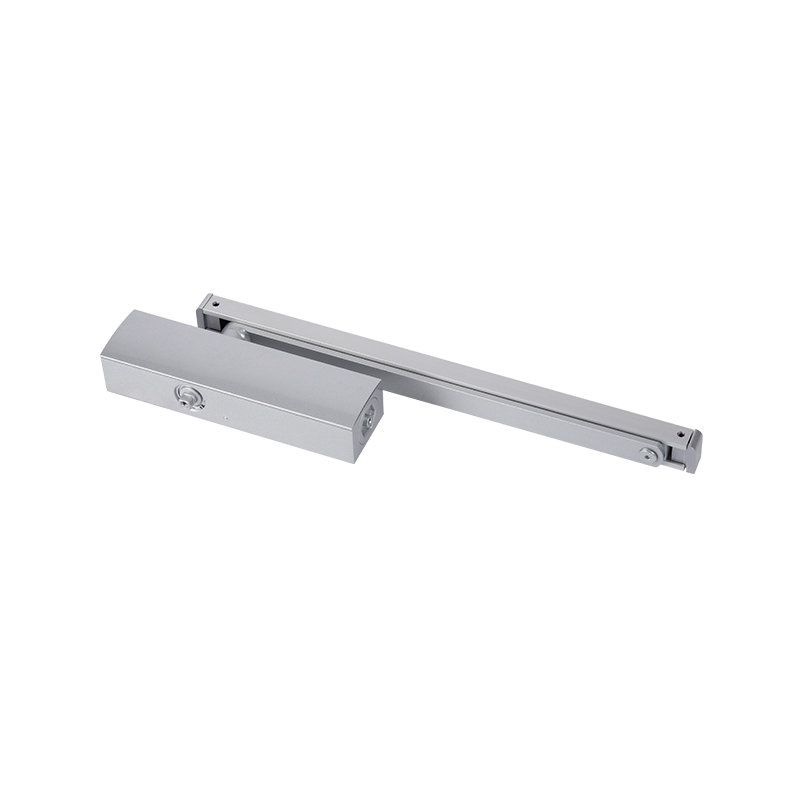
A growing number of project developers are requesting products such as Carbon Neutrality Door Closer systems as part of broader sustainable procurement strategies. Buyers are not only reviewing product functionality but also considering material usage, lifecycle durability, and environmental impact during manufacturing.
Several industry trends are driving this shift:
- Preference for long-life hardware with reduced replacement frequency
- Increased interest in recyclable material components
- Lower-maintenance products for reduced operational waste
- Hardware compatibility with green building certification projects
- More attention to packaging and supply chain sustainability
This reflects how environmental responsibility is gradually becoming integrated into commercial hardware purchasing standards.
Quiet Operation and User Comfort Are Gaining Importance
In previous years, durability was often the main selling point for door hardware. Today, user experience plays a much larger role.
In hotels, office buildings, healthcare environments, and educational facilities, quieter door movement contributes to a more comfortable indoor atmosphere. Sudden slamming or inconsistent closing speed is increasingly viewed as a negative user experience issue rather than a minor inconvenience.
Modern Delay Action Door Closer systems help improve:
- Smooth pedestrian movement
- Reduced closing noise
- Safer operation in public spaces
- Better compatibility with accessibility standards
- More stable long-term door control performance
For building operators, these improvements also support lower maintenance pressure over time.
Manufacturing Precision Is Becoming More Important
As commercial projects demand higher hardware consistency, manufacturing quality has become a more important procurement factor for global buyers.
Professional procurement teams now evaluate suppliers based on:
- Hydraulic stability during repeated operation
- Corrosion resistance for different climates
- Precision machining consistency
- Product lifecycle durability
- Installation flexibility across door configurations
For a modern Carbon Neutrality Door Closer, balancing environmental goals with operational reliability is becoming essential in international construction projects.
Manufacturers capable of maintaining stable production standards while supporting sustainable building requirements are gaining more attention in overseas markets.
Future Door Hardware Will Focus More on Intelligent and Sustainable Integration
Commercial buildings are continuing to evolve toward smarter and more energy-efficient environments. As this trend develops, door control systems will likely become more integrated with building automation, accessibility planning, and sustainability management.
Future hardware development is expected to focus on lower maintenance requirements, longer operational lifespan, quieter performance, and better compatibility with intelligent building systems.
For manufacturers, adapting to these changing priorities will remain critical as global buyers increasingly seek hardware solutions that combine reliability, comfort, and environmental responsibility within modern architectural projects.

 中文简体
中文简体
 English
 русский
 عربى
عربى