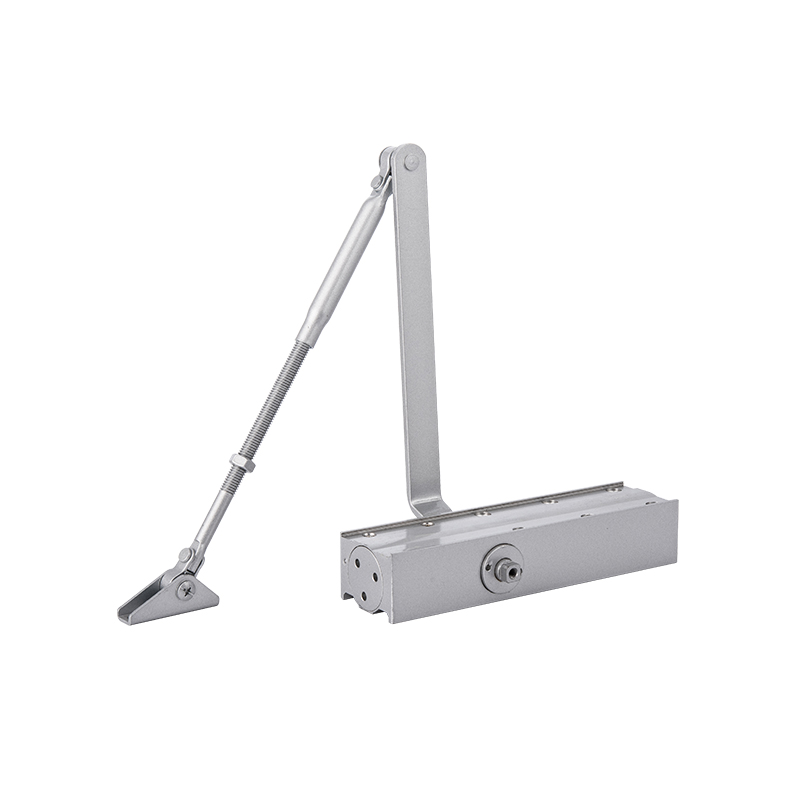
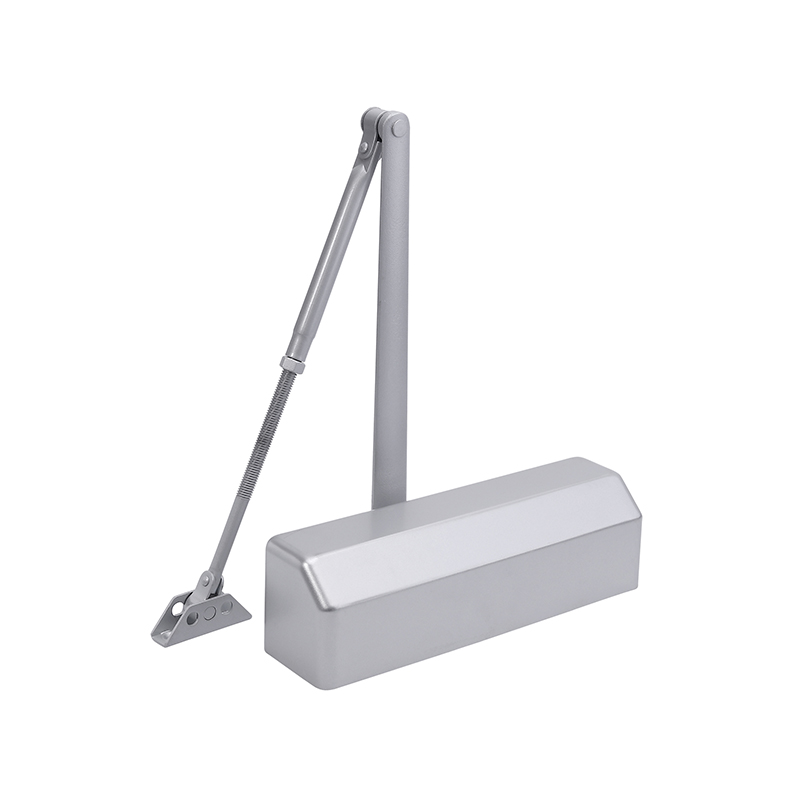
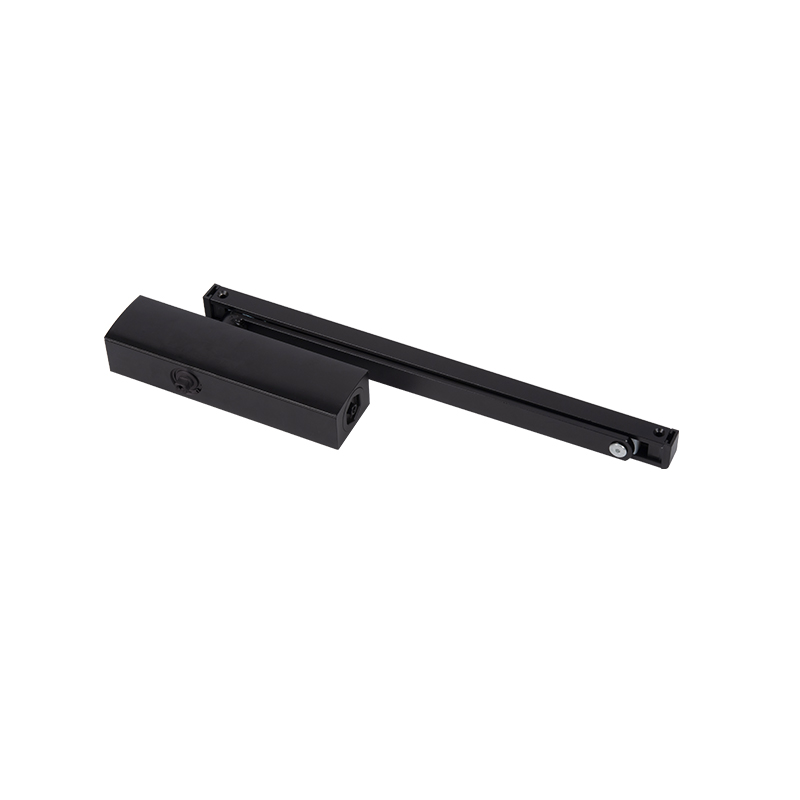
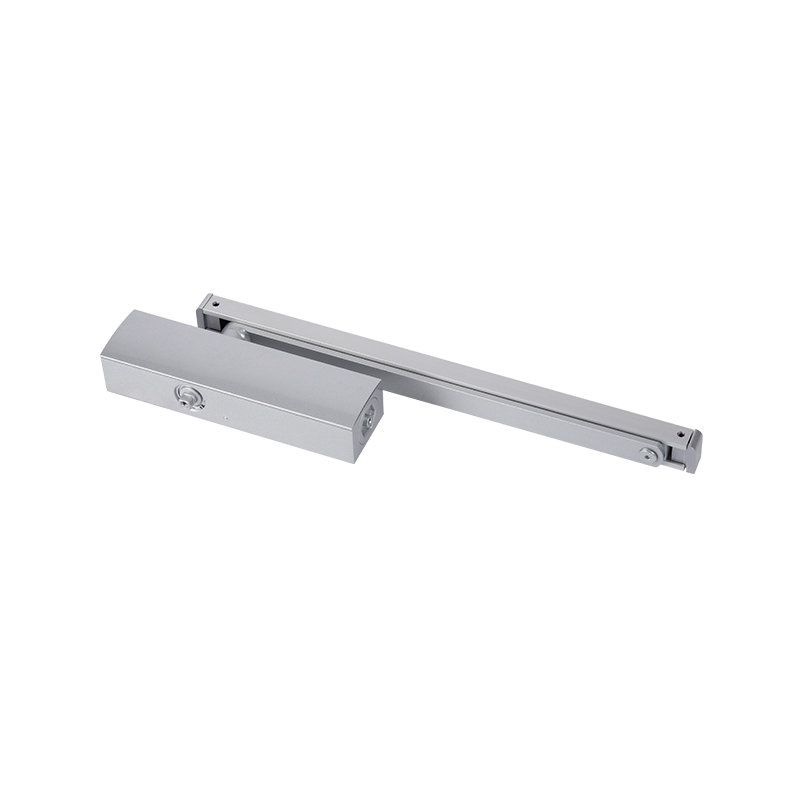
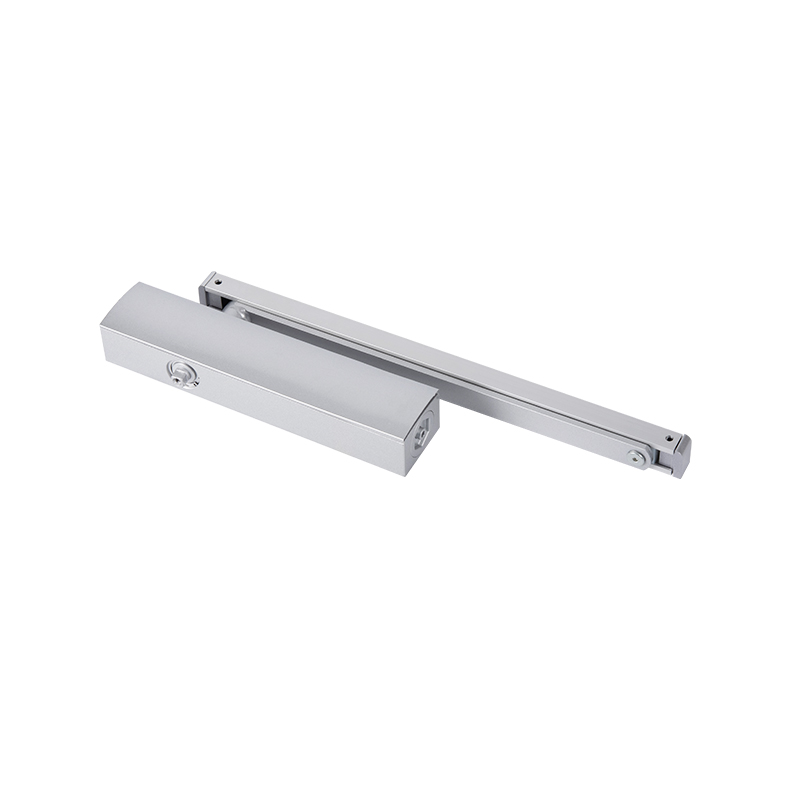
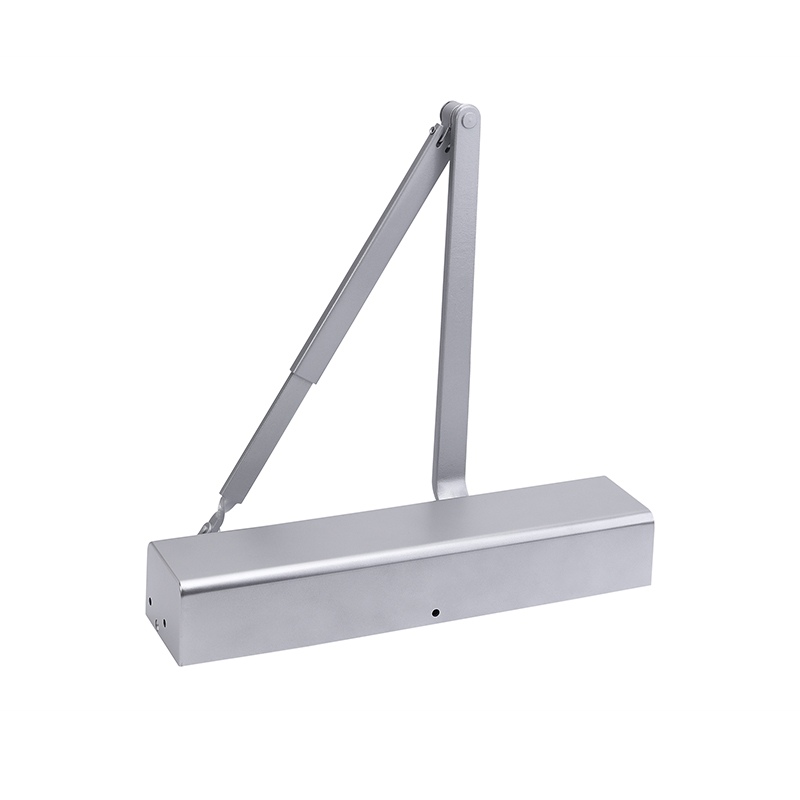
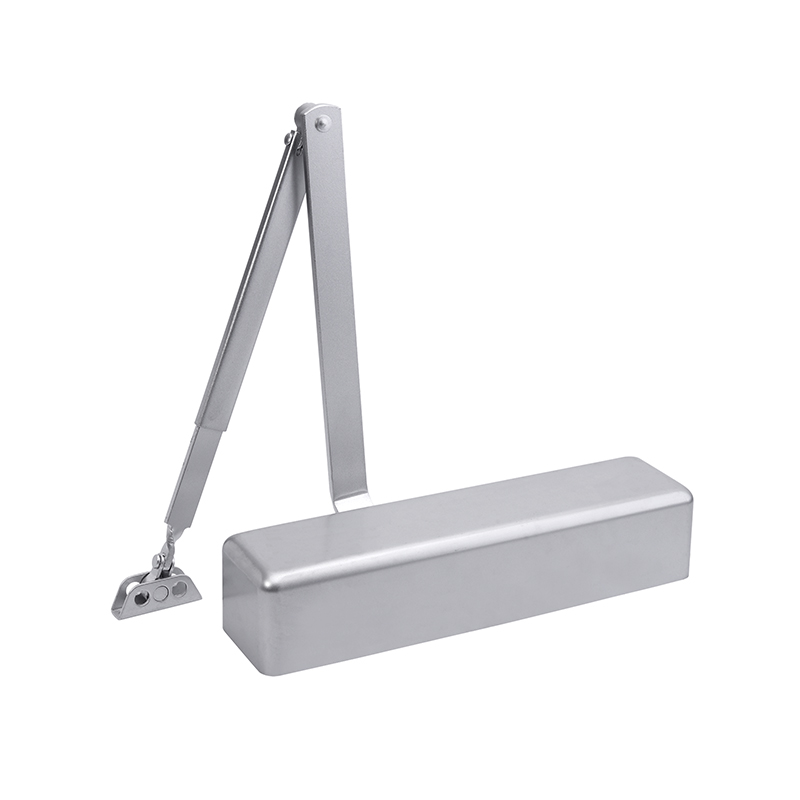
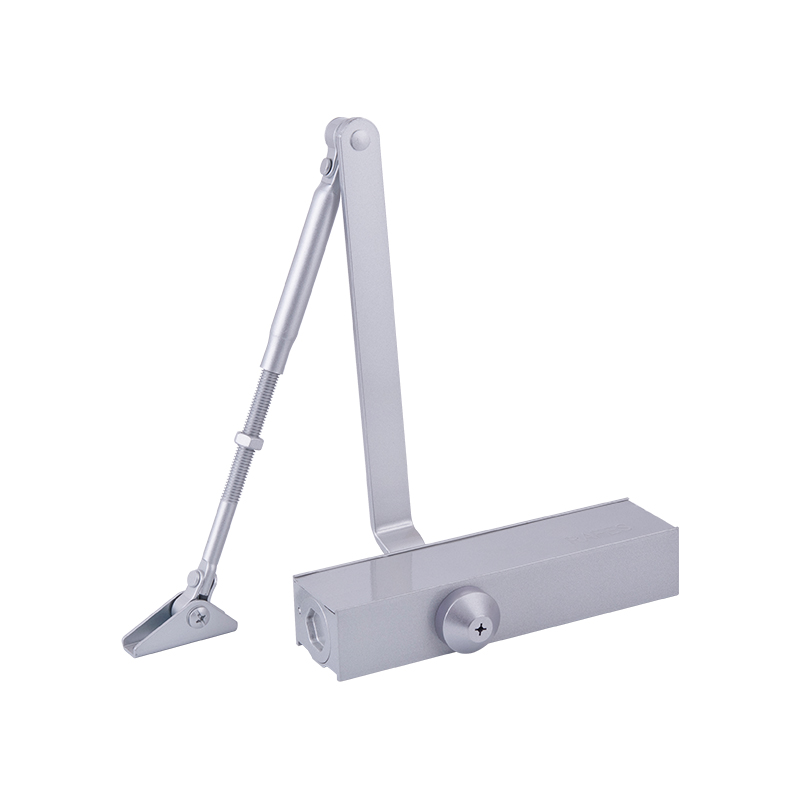
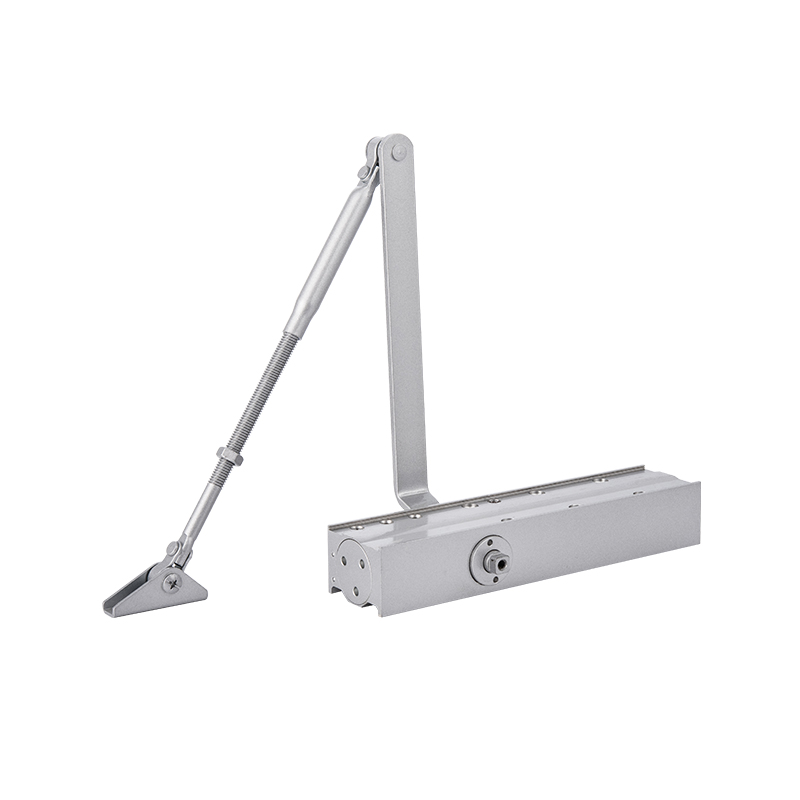
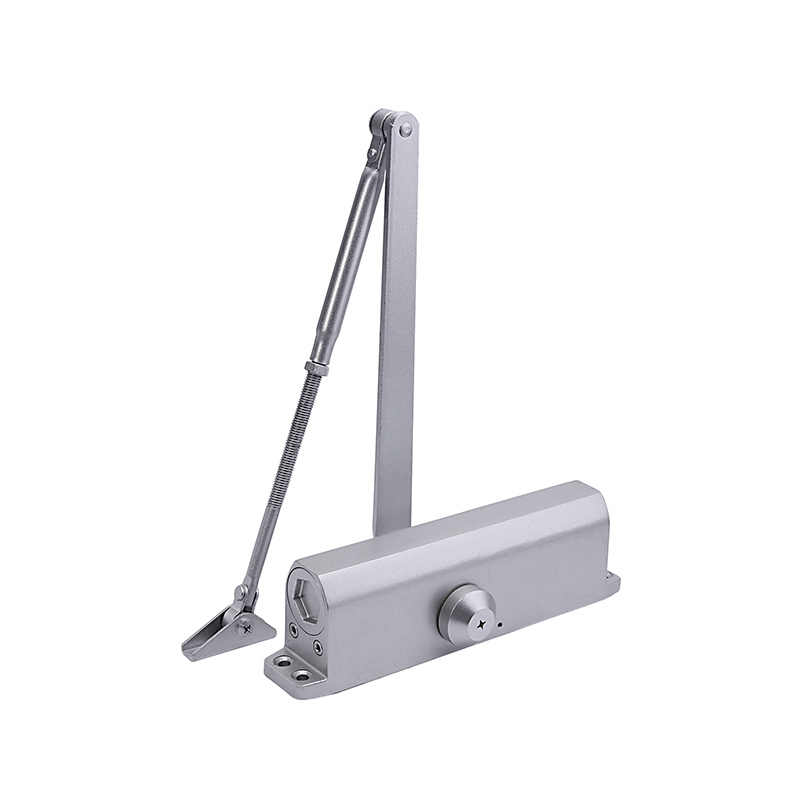
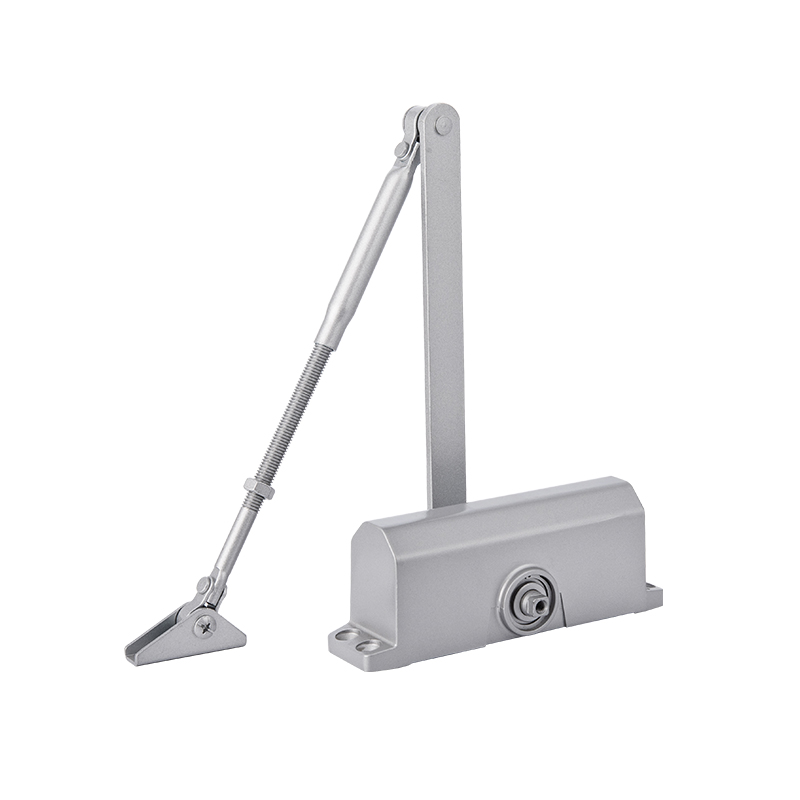
In the evolving architecture and construction markets, energy efficiency, safety compliance, and operational reliability are critical criteria for both commercial and residential projects. As a professional manufacturer specializing in Carbon Neutrality Door Closer, we are observing growing interest from overseas procurement managers, architects, and facility engineers who prioritize sustainable building solutions that reduce environmental impact while ensuring precise door operation. Alongside this trend, Delay Action Door Closer systems are gaining recognition for their ability to control door closing speed in high-traffic and sensitive access areas, improving safety and accessibility standards in modern facilities.
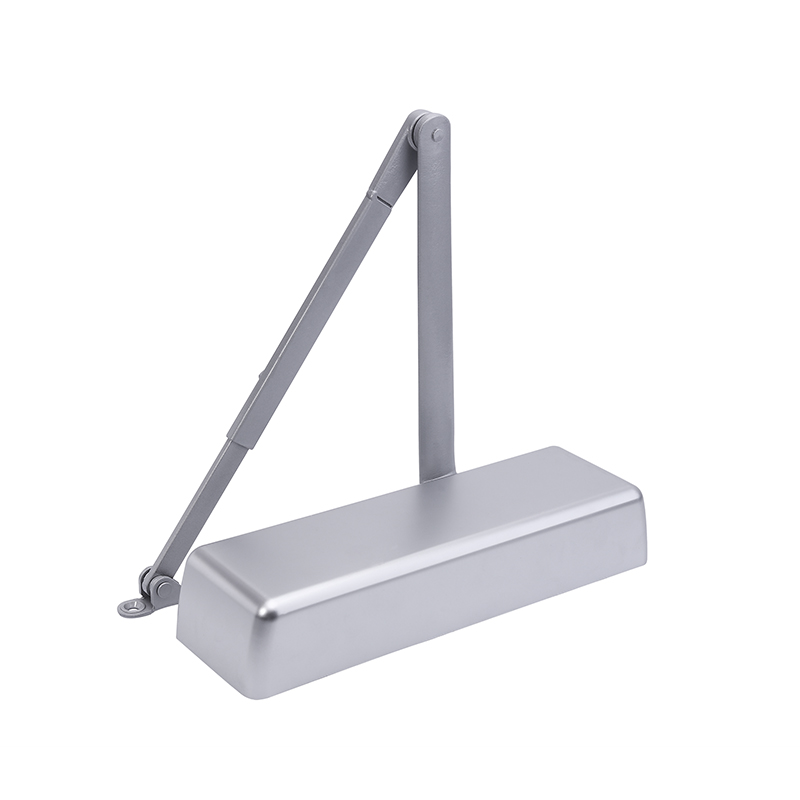
Sustainability in Modern Door Hardware
Sustainability has become a major focus in global building regulations and procurement policies. Carbon-neutral door closers integrate hydraulic systems and energy-efficient mechanisms that reduce environmental impact without compromising operational performance. They are designed to meet international green building standards and certifications, making them suitable for LEED, BREEAM, and other environmentally conscious projects.
Materials selection, including high-quality aluminum alloys and low-friction components, ensures longevity and minimal maintenance requirements, aligning with sustainability goals and cost efficiency over the product lifecycle.
Functional Advantages of Delay Action Mechanisms
Delay action door closers are specifically engineered to manage door closing speed, providing additional time for occupants to pass safely. This is particularly important in healthcare facilities, educational institutions, and public buildings where accessibility and safety are paramount.
Key benefits include:
- Adjustable delay time for customized closing speed
- Smooth hydraulic control for consistent operation
- Enhanced user safety in high-traffic zones
- Reduced impact noise during closing
- Compatibility with fire-rated and standard doors
Such features not only improve convenience but also contribute to compliance with safety codes and accessibility regulations in multiple international markets.
Application Scenarios Across Commercial and Residential Projects
Door closers are utilized in a broad spectrum of environments where controlled door operation is essential:
- Hospitals and clinics for patient safety and infection control
- Schools and universities with high foot traffic
- Hotels and commercial office buildings requiring energy-efficient solutions
- Public facilities needing fire-rated door compliance
- Luxury residential projects emphasizing smooth operation and low noise
Industry discussions on overseas procurement platforms indicate that facility managers increasingly consider energy consumption, maintenance requirements, and operational reliability when selecting door hardware solutions.
Technical Design and Material Considerations
High-quality door closers rely on precision-engineered components and durable materials to deliver consistent performance:
- Aluminum and zinc alloy bodies for structural strength
- Corrosion-resistant finishes for longevity in coastal or high-humidity environments
- Advanced hydraulic fluid for stable operation across temperature variations
- Adjustable spring tension for door weight calibration
- Optional accessories such as hold-open or backcheck features
These technical considerations ensure door closers remain reliable even under frequent usage conditions, which is a key concern for institutional and commercial applications.
Installation Guidelines and Maintenance Practices
Proper installation and maintenance are critical to ensure optimal performance and safety:
- Install at recommended door height and alignment for hydraulic efficiency
- Adjust closing speed, latching speed, and delay time according to door weight
- Conduct periodic inspections of seals, screws, and hydraulic fluid
- Clean surface and lubrication points to prevent dirt accumulation
- Replace worn components promptly to maintain fire-rated compliance
Following these guidelines enhances both the operational reliability and longevity of the door closer in various building environments.
Market Trends and OEM Development
Recent trends indicate that global buyers are seeking door hardware solutions that combine energy efficiency with enhanced user experience. Carbon-neutral and delay action door closers are increasingly integrated with smart building management systems, providing real-time monitoring and performance analytics.
Manufacturers with strong OEM capabilities, are adapting production lines to support customization and compliance with regional standards, enabling faster adoption by international clients and aligning with the global shift toward sustainable building technologies.
In conclusion, modern door control solutions are critical for balancing energy efficiency, user safety, and operational reliability. The continued innovation of Delay Action Door Closer systems ensures precise door operation while meeting environmental and accessibility requirements, reinforcing the importance of carbon-conscious design in today’s global construction and facility management markets.

 中文简体
中文简体
 English
 русский
 عربى
عربى