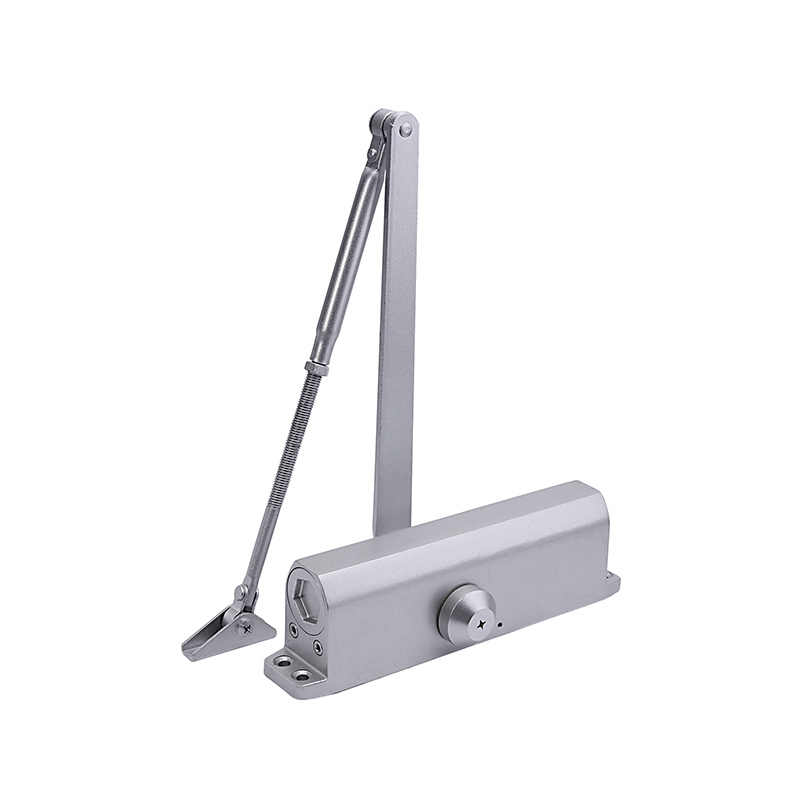
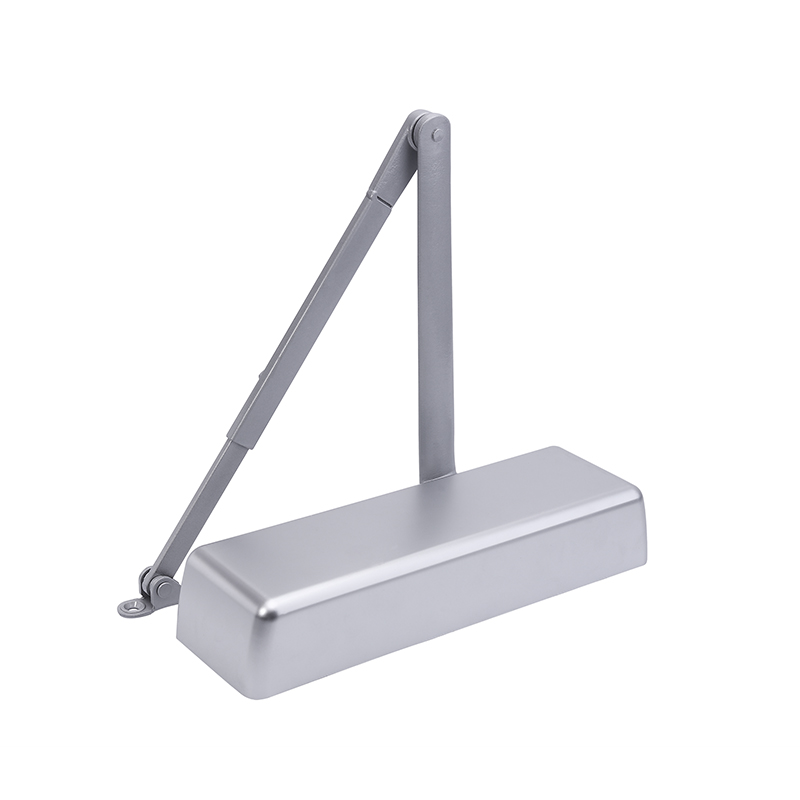
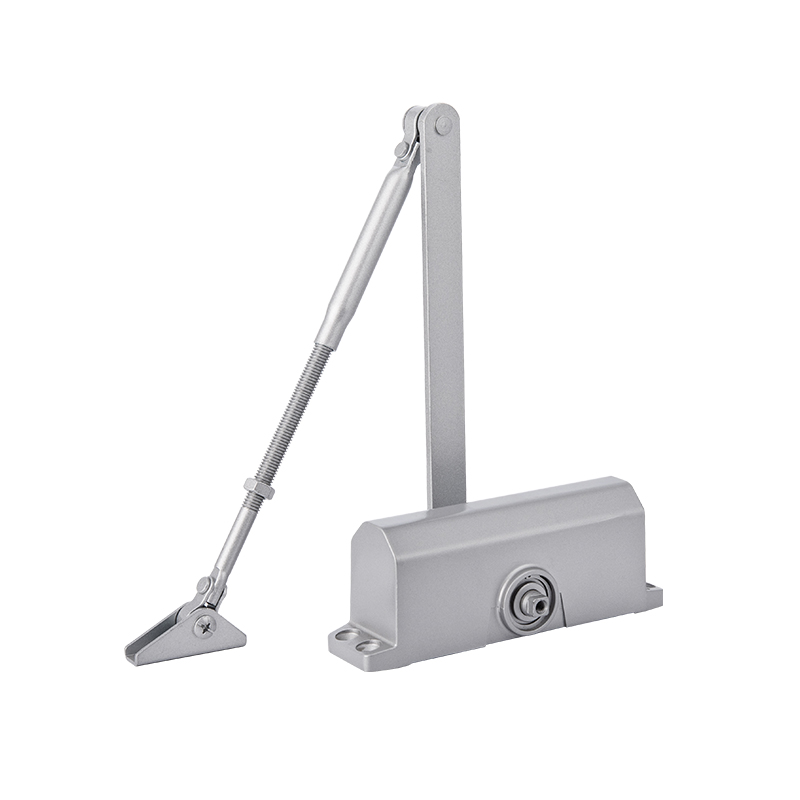
Commercial construction buyers are paying closer attention to door hardware than they did a few years ago. Recent discussions across contractor forums, construction sourcing platforms, and building management communities show growing interest in products that can reduce maintenance pressure while improving safety compliance in busy buildings. Property developers are increasingly searching for solutions that fit modern fire safety requirements, support smoother pedestrian movement, and remain stable after years of repeated use.
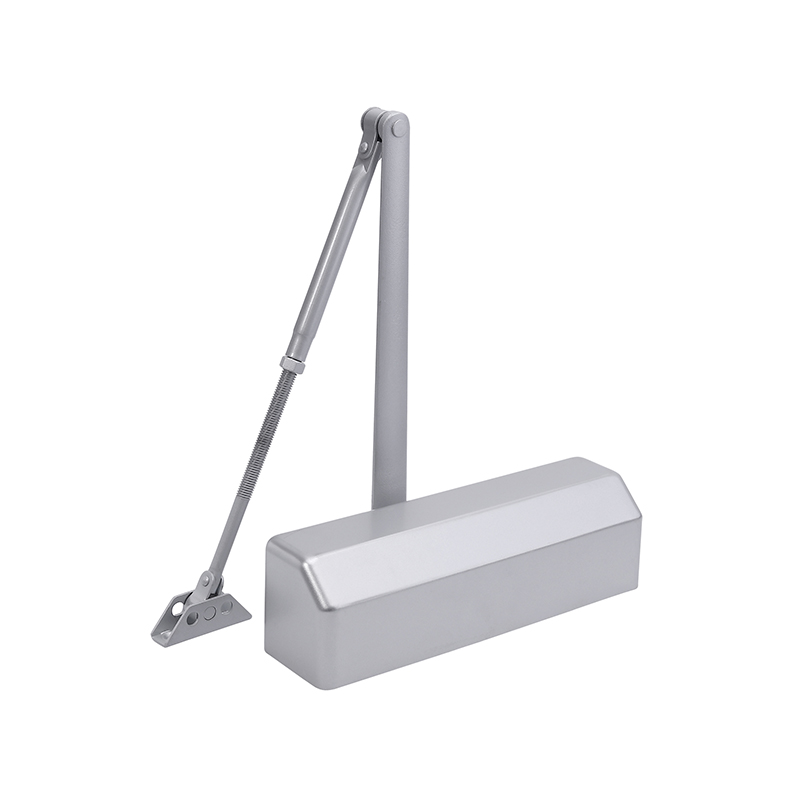
For hardware manufacturers, this shift is changing the conversation from “basic closing function” to long-term building performance. Contractors and procurement managers now want products that are easier to install, easier to maintain, and more reliable in real operating environments.
Fire Safety Upgrades Are Driving New Purchasing Demand
Many office buildings, hotels, schools, and public facilities are currently undergoing fire safety upgrades, especially in older commercial properties. In these projects, door hardware becomes a critical part of compliance planning because unstable door movement can affect emergency access and corridor safety.
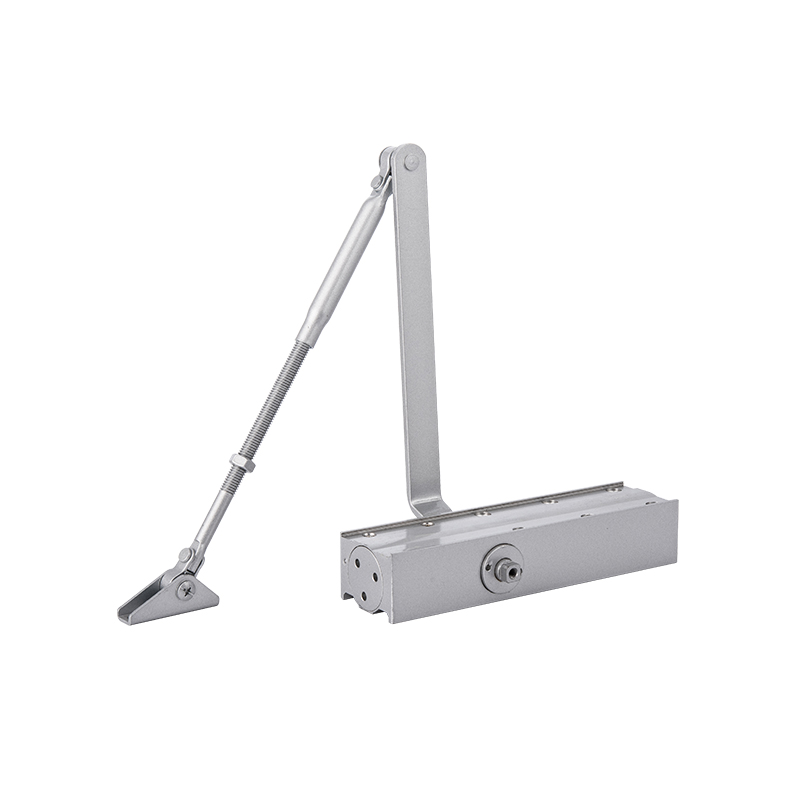
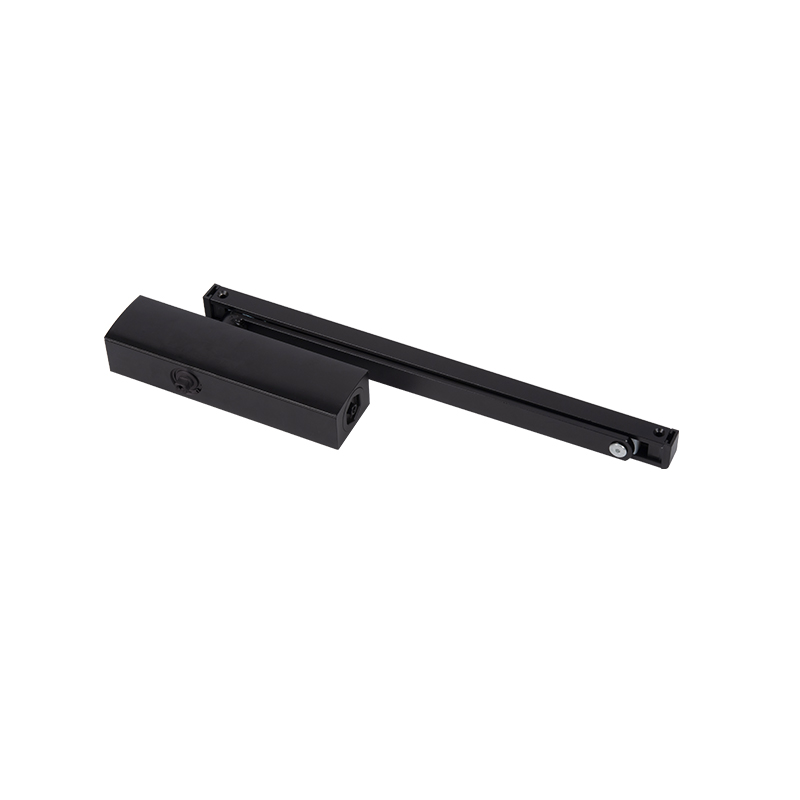
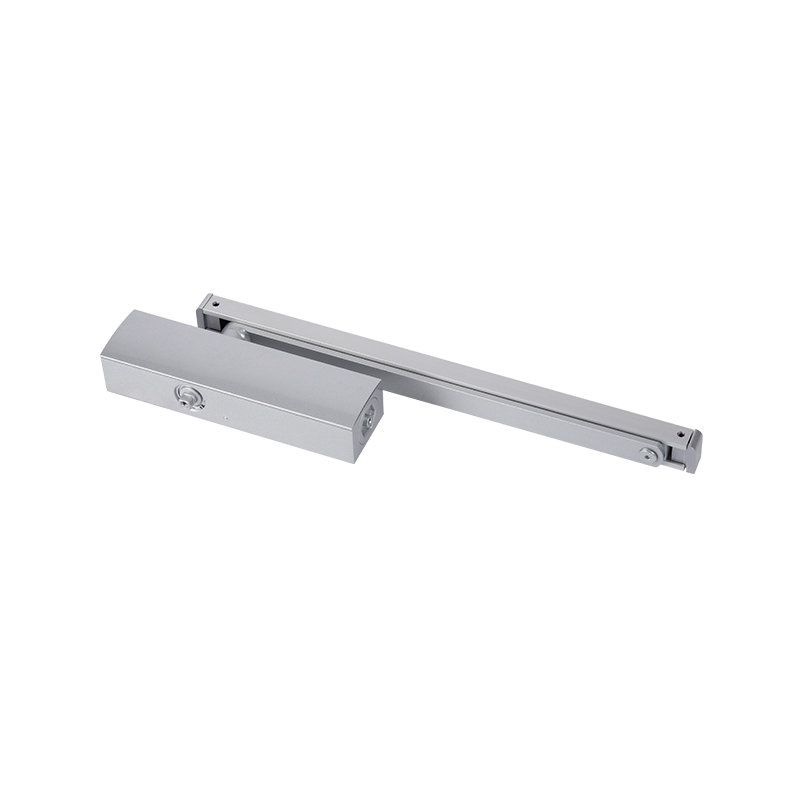
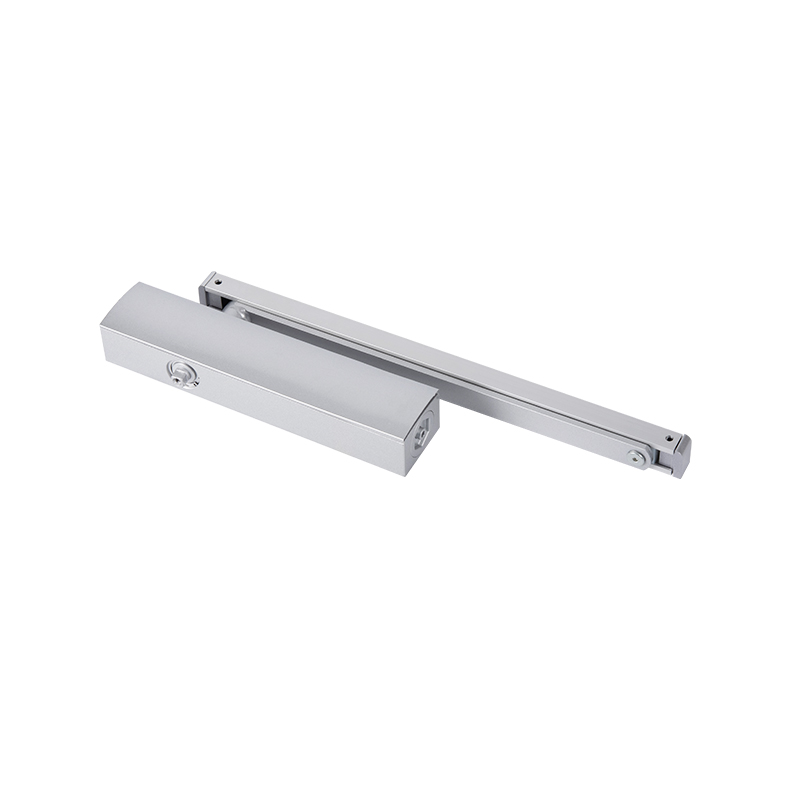
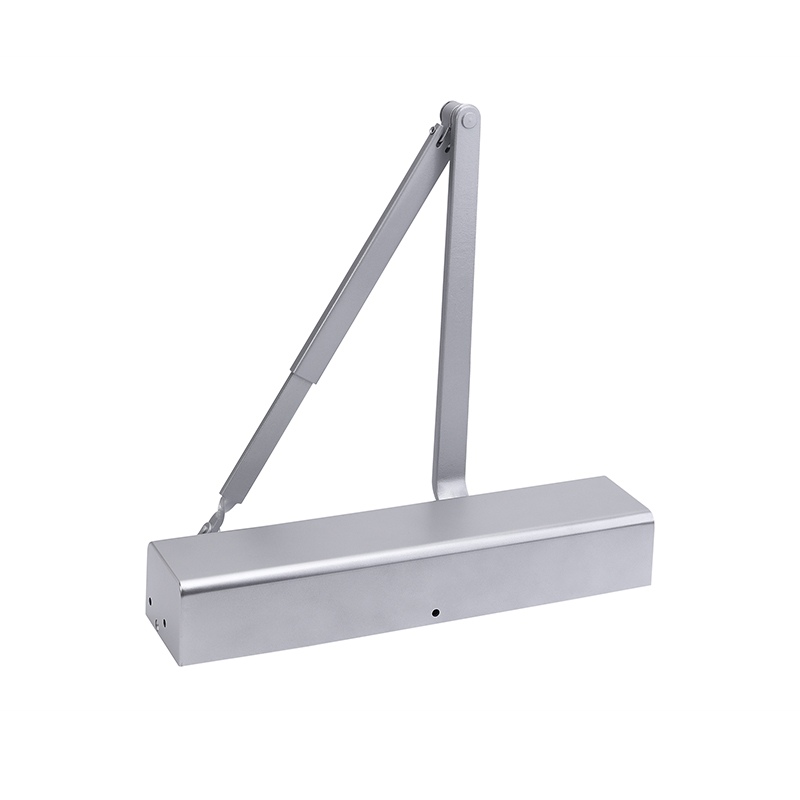
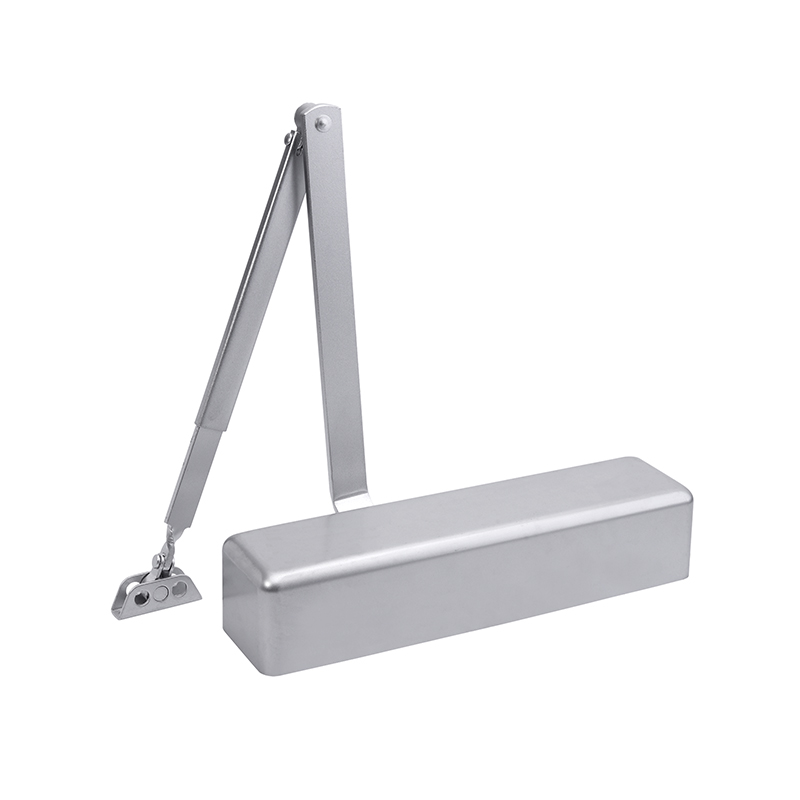
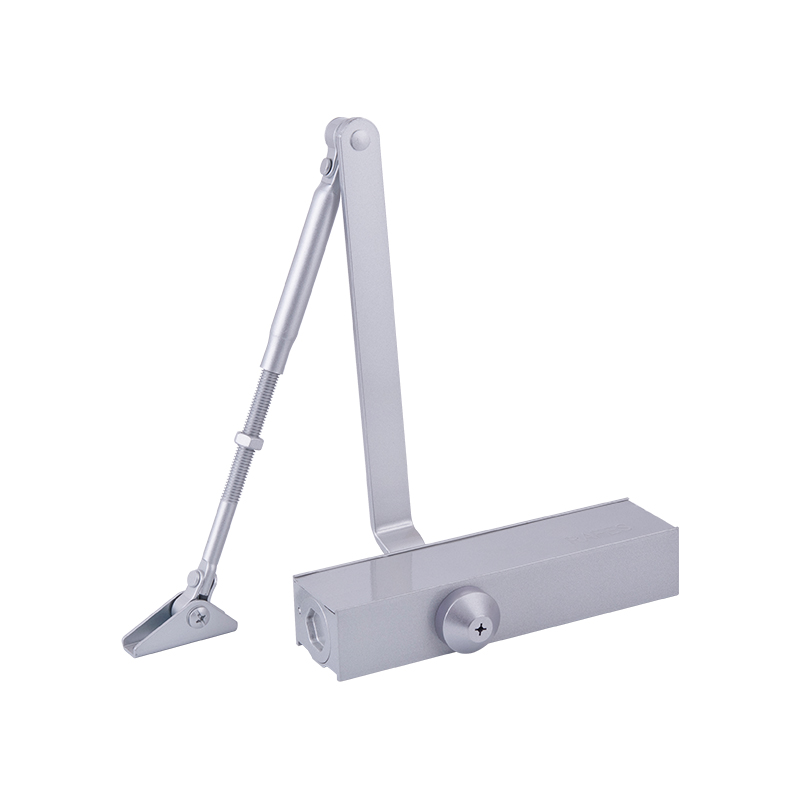
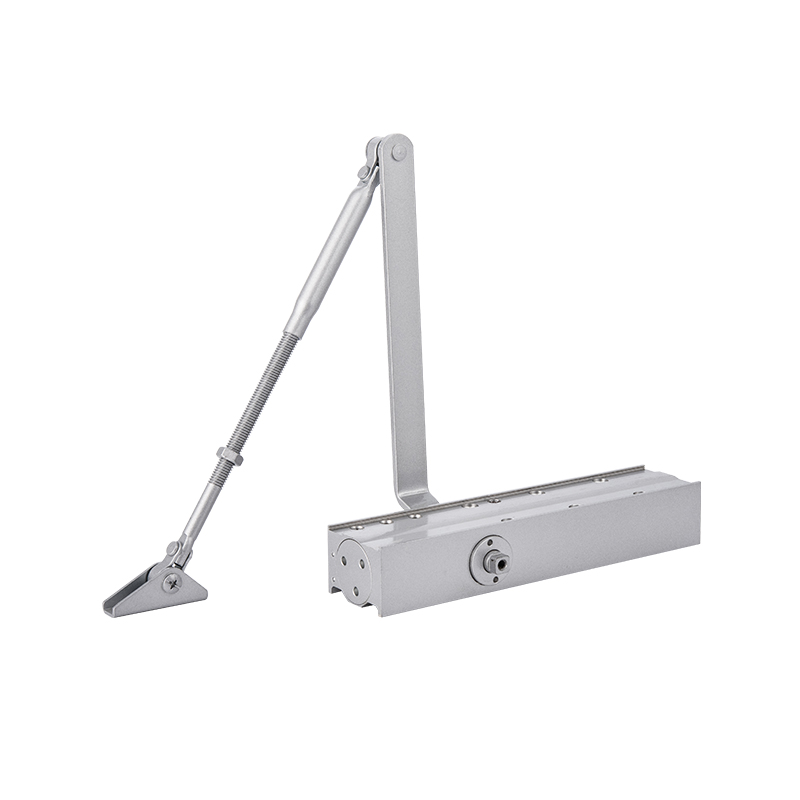
This is one reason buyers are increasingly searching for Delay Action Door Closer solutions designed for controlled movement in high-traffic areas. In hospitals and educational buildings, slower closing speed helps people pass through safely while still maintaining controlled door operation.
Contractors working on retrofit projects often mention common site problems:
- Doors closing too aggressively
- Hydraulic leakage after long-term use
- Frequent adjustment during seasonal temperature changes
- Noise complaints in corridor environments
- Inconsistent closing force between different doors
Because of these issues, buyers are moving away from low-cost hardware with unstable performance and looking for products better suited for continuous daily use.
Property Managers Want Hardware That Requires Less Maintenance
Maintenance cost has become a major topic in commercial building management. Facility teams are under pressure to reduce service calls and minimize hardware replacement in busy buildings.
Many property managers now search for door control systems that can:
- Maintain stable closing speed over time
- Reduce oil leakage risk
- Handle heavy foot traffic without constant adjustment
- Perform reliably in humid or coastal environments
- Lower long-term repair frequency
This trend has increased attention on Carbon Neutrality Door Closer products that focus on longer service life and lower replacement frequency.
For building operators, fewer replacements mean less labor disruption and reduced material waste during long-term operation.
Buyers Are Searching More for “Quiet Door Closer” Solutions
One noticeable trend in overseas markets is the growing demand for quieter commercial interiors. Hotels, healthcare facilities, libraries, and office buildings are placing more value on reducing unnecessary noise in shared spaces.
Because of this, many procurement teams are now searching for:
- Quiet hydraulic door closer
- Soft closing commercial door hardware
- Heavy duty silent door closer
- Adjustable closing speed door closer
- Door closer for hospital corridors
A properly configured Delay Action Door Closer helps reduce sudden impact noise while improving movement control during busy periods.
In practical terms, smoother closing also reduces long-term stress on hinges, door frames, and mounting hardware.
Export Buyers Are Becoming More Careful About Supplier Stability
Overseas distributors and project contractors are also becoming more selective when choosing hardware manufacturers. Product consistency is now a major concern, especially for large building projects where installation delays can create additional labor costs.
Procurement teams commonly evaluate:
- Batch consistency
- Corrosion resistance testing
- Surface finish durability
- Hydraulic cycle stability
- Delivery reliability
- Technical communication speed
For large projects, unstable hardware quality can quickly create warranty and maintenance issues after installation.
This is why many buyers now prioritize long-term supplier cooperation instead of one-time low-price purchasing.
Commercial Door Hardware Is Becoming More Project-Focused
The commercial hardware market is no longer driven only by basic functionality. Buyers today are searching for products that solve specific project problems such as noise reduction, accessibility improvement, lower maintenance pressure, and long-term operational stability.
As more commercial buildings undergo renovation and safety upgrades, demand will likely continue growing for hardware that performs reliably in real working environments instead of only meeting minimum specifications.
Manufacturers that understand contractor concerns, installation conditions, and long-term maintenance realities will remain more competitive as commercial buyers continue searching for durable and practical door control solutions.

 中文简体
中文简体
 English
 русский
 عربى
عربى