A café owner renovated the entrance of a small shop and replaced the old door hardware with a cleaner-looking system.
A few weeks later, customers began commenting on something unexpected.
Not the glass.
Not the handle.
Not the design.
They simply noticed that the entrance felt calmer.
People could enter and leave without the familiar clicking, slamming, or sudden closing movement that had become part of the background noise before the renovation.
The owner had not changed the door itself.
What changed was the hardware controlling the movement.
This kind of observation appears surprisingly often in commercial buildings. Occupants rarely pay attention to door hardware until the way a door moves starts affecting the overall experience of a space.
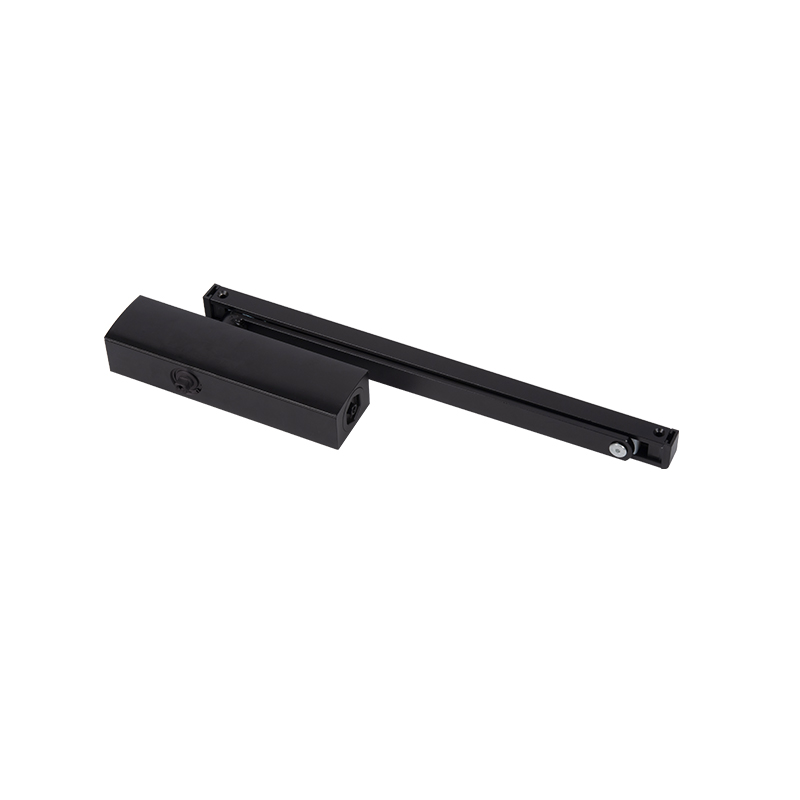
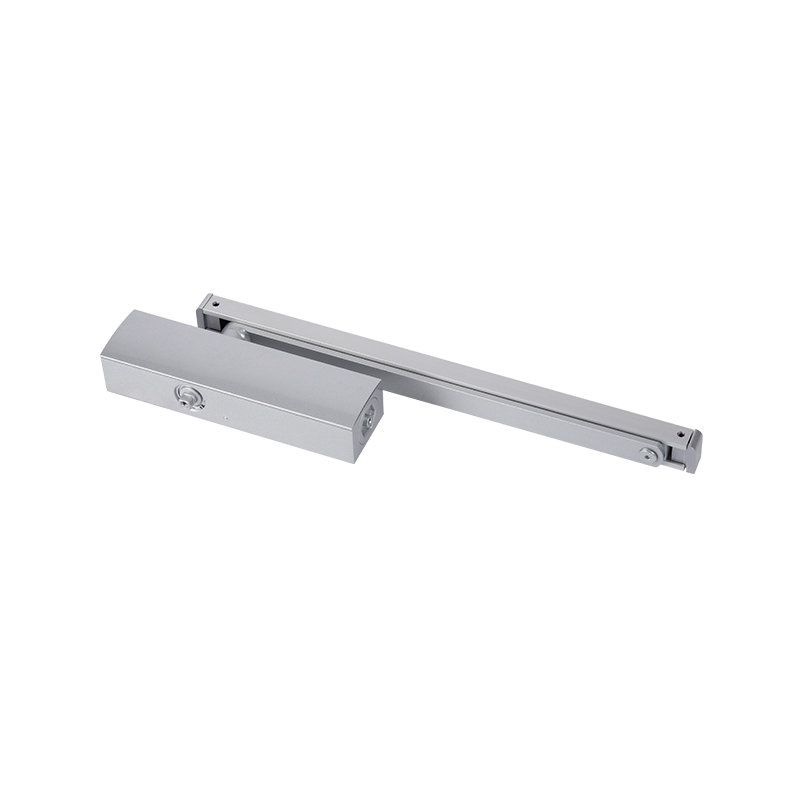
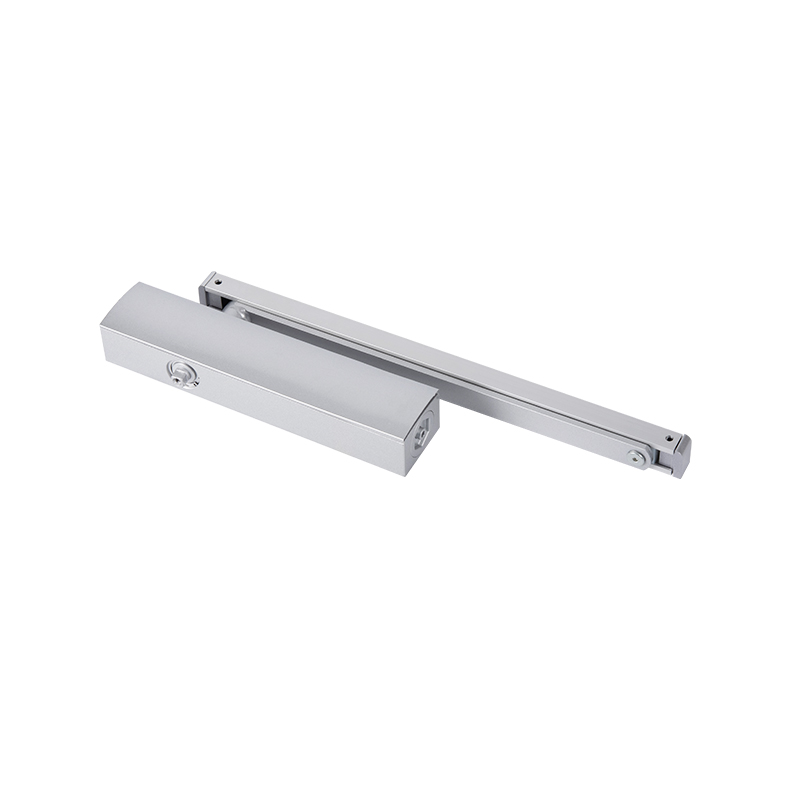
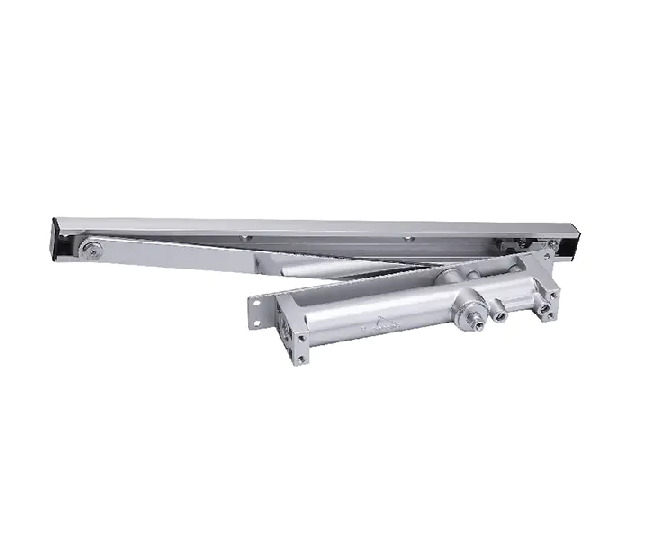
In many modern interiors, a concealed closer for glass doors is selected partly because it stays out of sight. Yet the more interesting effect is often how it changes the way people interact with the entrance every day.
Noise Complaints Are Not Always About Sound
When facility managers receive complaints about doors, the issue is not always noise levels.
Sometimes people describe a door as feeling abrupt.
Others say it feels heavy.
Some simply report that the entrance feels less comfortable than nearby doors.
These comments can be difficult to measure because they involve perception rather than obvious faults.
A door that closes too quickly may not violate any technical requirement, yet occupants still notice it.
A door that stops smoothly near the final closing position often creates a different impression, even if users never consciously identify the reason.
This is one reason maintenance teams often observe door movement directly rather than relying only on visual inspections.
Modern Interiors Changed Expectations
Twenty years ago, many commercial spaces focused primarily on durability.
Today, user experience receives much more attention.
Hotels, office buildings, retail stores, and restaurants often invest considerable effort into lighting, materials, and layout design.
As a result, entrance systems are expected to contribute to the overall atmosphere rather than simply separating one space from another.
Glass doors play an important role in this trend because they help maintain visual openness.
However, the movement of the door remains just as important as its appearance.
A concealed closer for glass doors is frequently associated with projects where architects and building operators want hardware to remain visually unobtrusive while maintaining controlled door movement.
Small Changes Become Noticeable In Busy Spaces
One interesting aspect of door hardware is that users rarely notice it when everything operates correctly.
They notice differences.
A restaurant entrance that closes slightly faster than neighboring doors.
An office meeting room door that creates unnecessary noise during presentations.
A retail entrance that feels inconsistent throughout the day.
These details may seem minor individually.
Over hundreds or thousands of daily interactions, they become part of how people experience a building.
This is why maintenance personnel often pay attention to gradual changes rather than waiting for visible failures.
Door systems typically provide early clues before major problems develop.
Changes in closing speed, resistance, or alignment can reveal developing issues long before a component reaches the end of its service life.
Why Building Operators Watch Door Behavior
During routine inspections, experienced technicians often spend a few moments simply watching a door operate.
They observe whether the closing motion remains consistent.
They check whether the final latching movement appears controlled.
They compare one entrance with another.
These observations provide useful information because doors experience real-world conditions every day.
Temperature fluctuations, traffic volume, cleaning procedures, and building movement all influence long-term performance.
A concealed closer for glass doors may remain largely invisible throughout its service life, but the effect it has on everyday operation is often easy to notice. When a door closes smoothly and predictably, people tend to focus on the space itself rather than the hardware.
For many commercial properties, that quiet consistency becomes part of the overall impression visitors carry away, even if they never realize exactly what created it.

 中文简体
中文简体
 English
 русский
 عربى
عربى