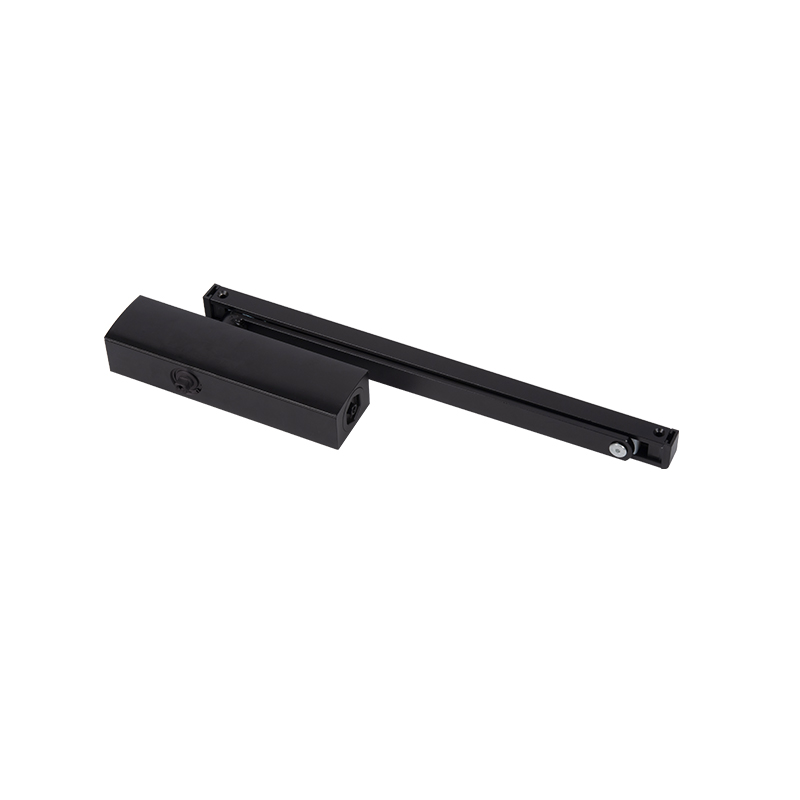
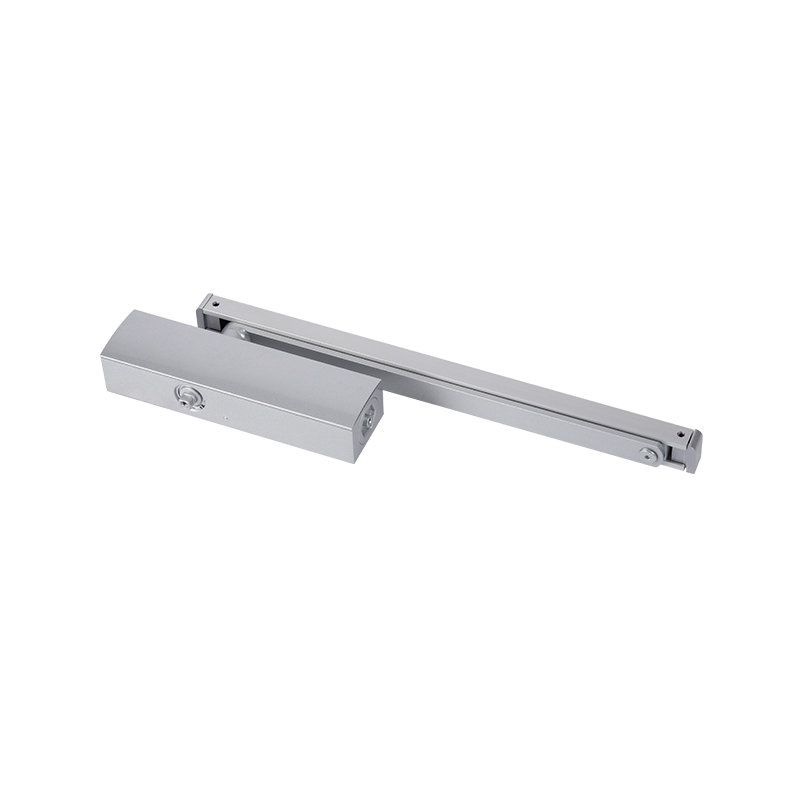
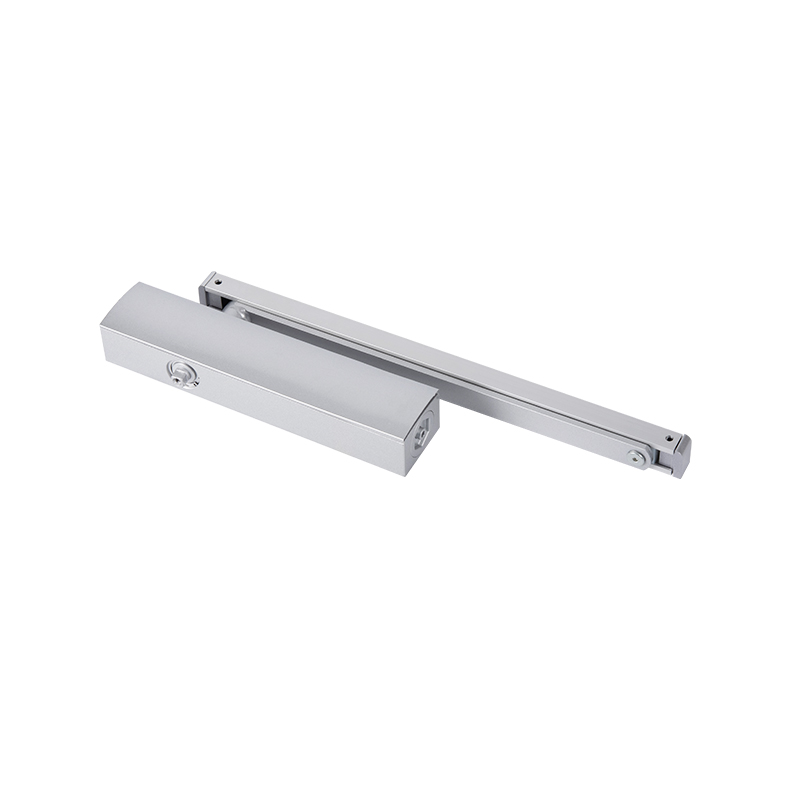
In the evolving world of architectural design and commercial construction, both aesthetics and functionality are crucial for building components. Among innovative door hardware solutions, the concealed overhead door closer has gained significant attention. This device not only ensures smooth and controlled door operation but also maintains a clean, minimalist appearance, making it an attractive choice for offices, hotels, and public facilities. Across professional social media platforms like LinkedIn, YouTube, and industry-specific forums, architects, contractors, and facility managers are discussing how these concealed solutions enhance safety, durability, and overall user experience.
Seamless Integration with Modern Interiors
One of the primary reasons concealed overhead door closers are gaining popularity is their ability to integrate unobtrusively into building interiors.
Unlike traditional surface-mounted closers, these devices are hidden within the door or frame, providing a sleek and visually appealing appearance. Designers frequently share on Instagram and Pinterest how concealed closers help maintain minimalist aesthetics while supporting high-traffic doors in commercial environments.
Enhanced Door Control and Safety
Beyond aesthetics, these closers are valued for their precise control over door movement.
By regulating the speed and force of opening and closing, concealed overhead door closers reduce the risk of accidental slamming or injury. This feature is particularly important in high-traffic areas such as schools, hospitals, and office lobbies, where safe door operation is essential for both employees and visitors.
Durability and Long-Term Performance
Quality and reliability are critical factors when selecting door closers for commercial applications.
Concealed overhead models are designed to withstand frequent use, supporting doors in busy environments without compromising functionality. Facility managers often highlight online how investing in durable, high-performance closers can reduce maintenance costs and extend the lifespan of doors and frames.
Adaptability to Different Door Types
Modern buildings often feature a variety of door materials and sizes, requiring versatile solutions.
Concealed overhead door closers can be installed on wooden, metal, or composite doors, and they often come with adjustable settings to accommodate different weights and usage patterns. This flexibility makes them suitable for a wide range of commercial and institutional projects.
Supporting Compliance and Accessibility Standards
Global building regulations emphasize accessibility, fire safety, and controlled door operation.
Concealed overhead door closers assist in meeting these standards by ensuring smooth, predictable door movement that is accessible to all users. Engineers and architects frequently discuss compliance advantages in online forums, demonstrating how proper installation contributes to both safety and regulatory adherence.
Digital Platforms Drive Awareness and Adoption
The rise of social media and professional online communities has significantly influenced the awareness of advanced door hardware.
Tutorials, installation demonstrations, and user reviews shared on YouTube, LinkedIn, and Instagram allow facility managers, architects, and contractors to understand the benefits and practical applications of concealed overhead solutions. This transparency encourages informed purchasing decisions and fosters trust in high-quality products.
A Balanced Choice for Modern Commercial Spaces
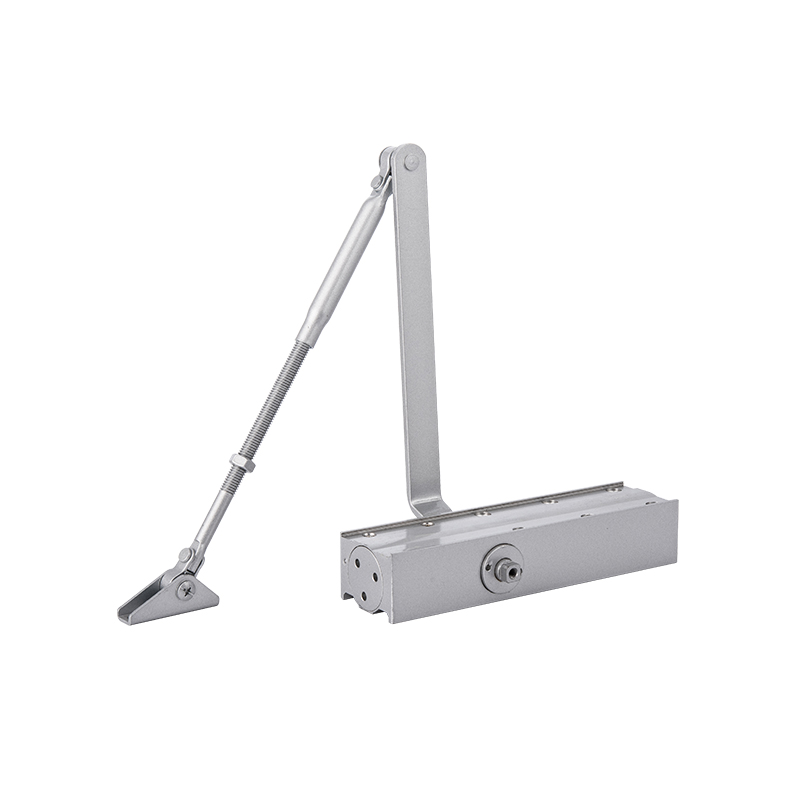
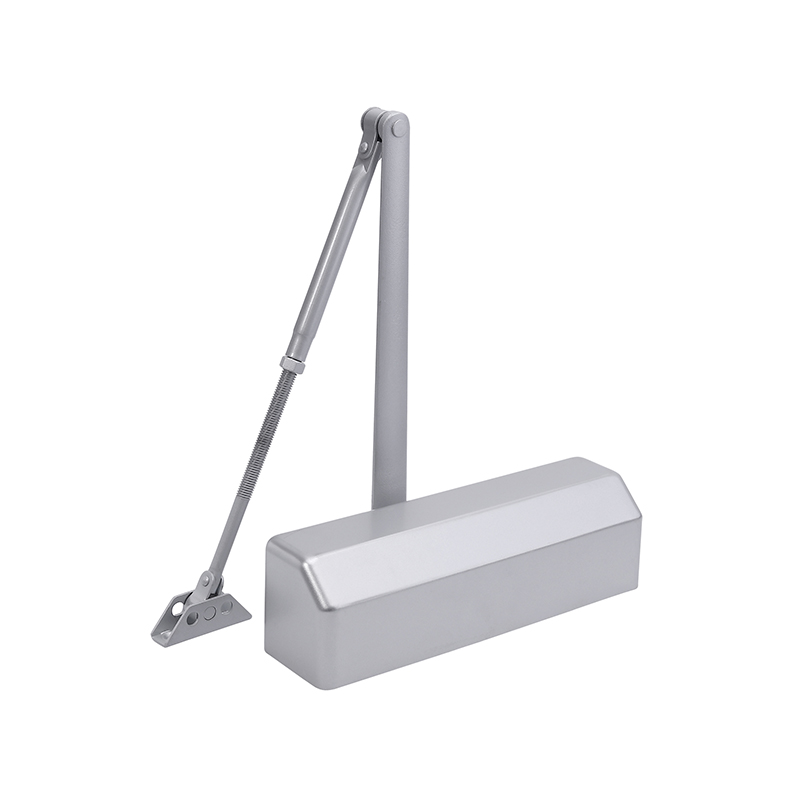
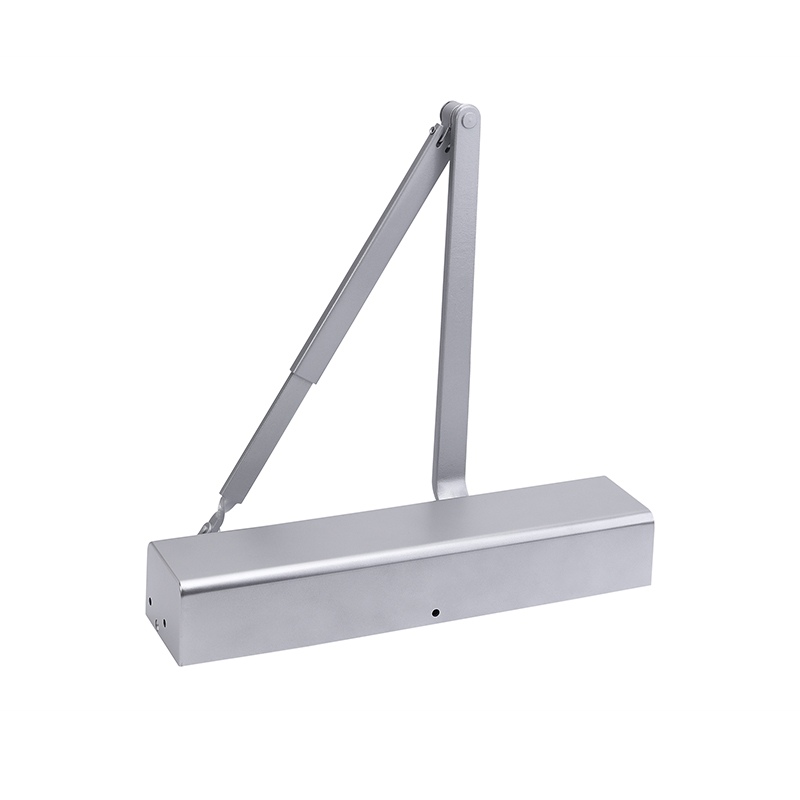
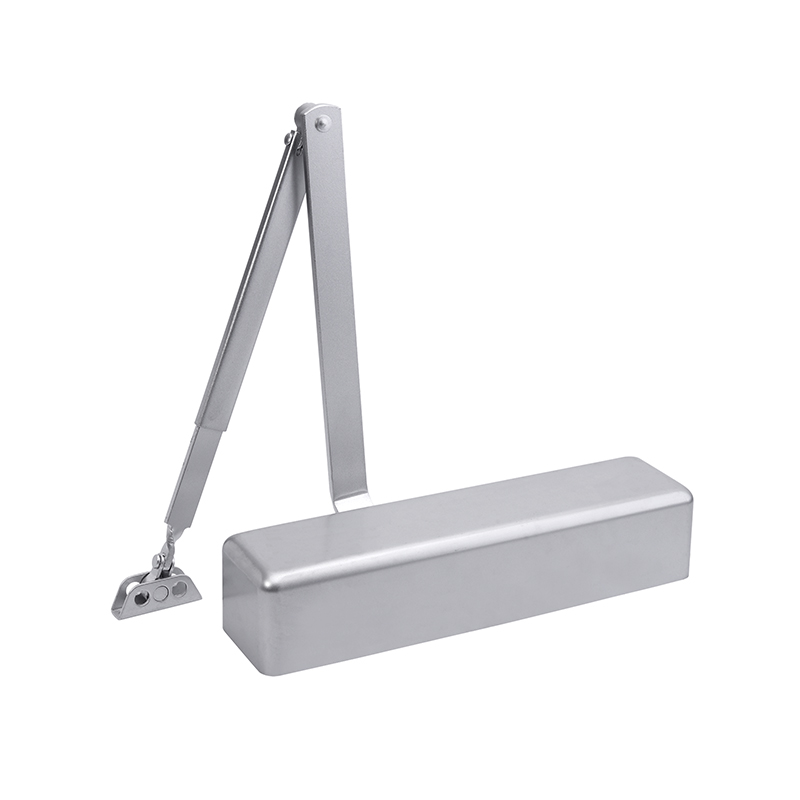
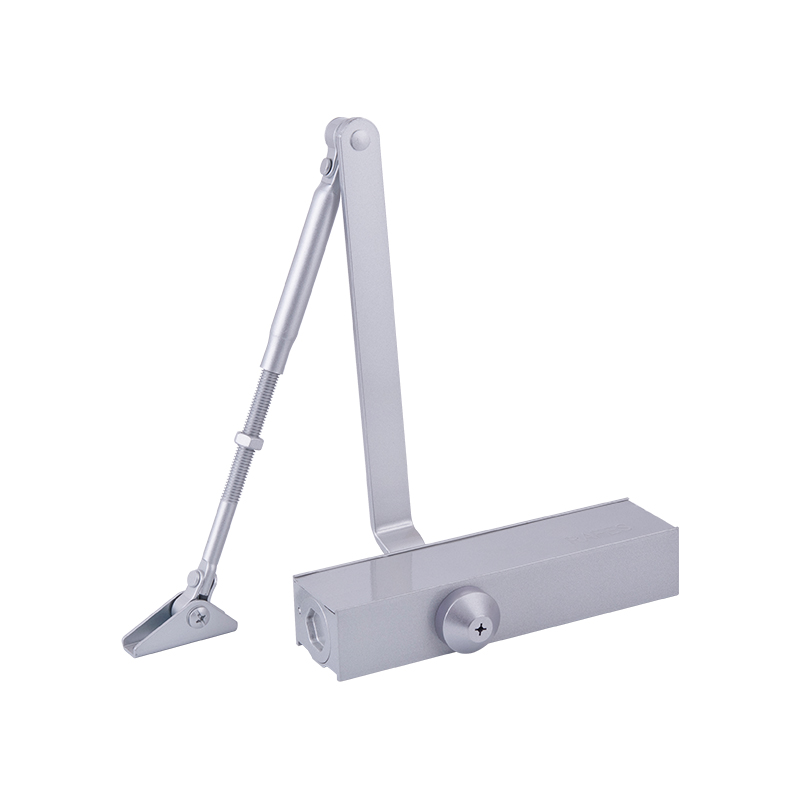
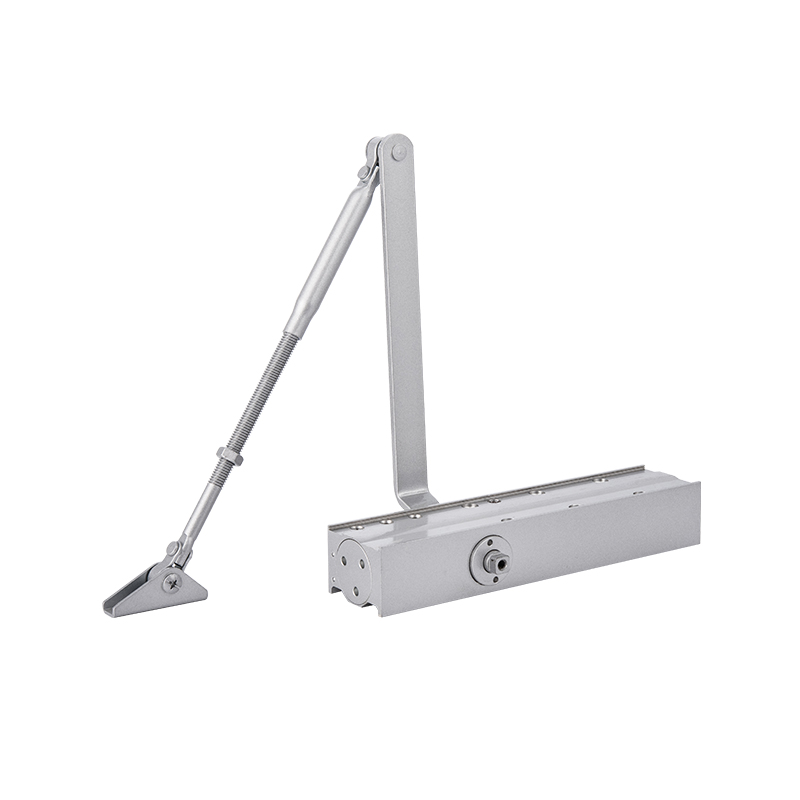
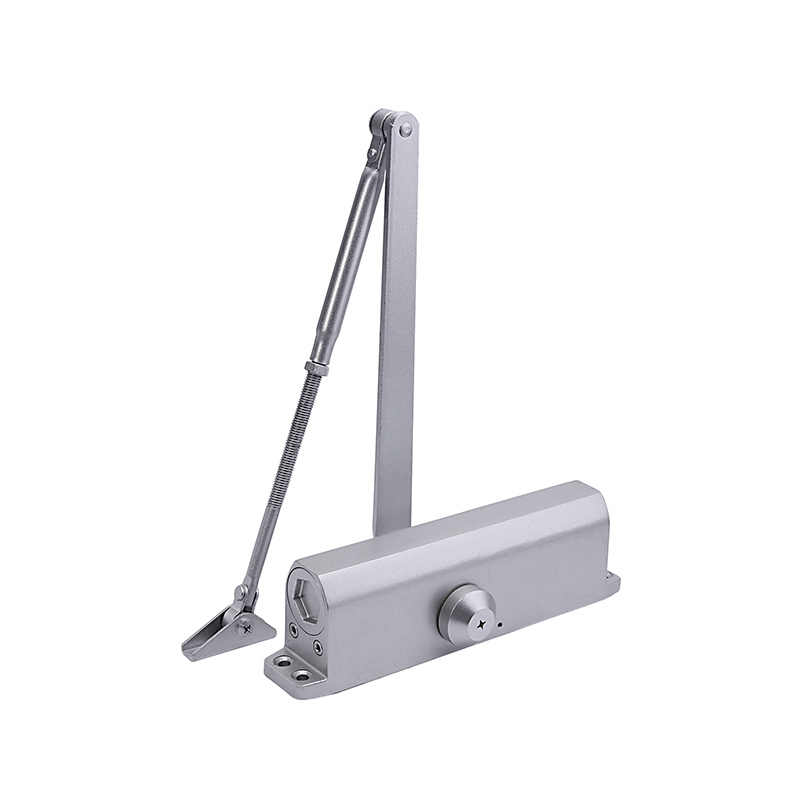
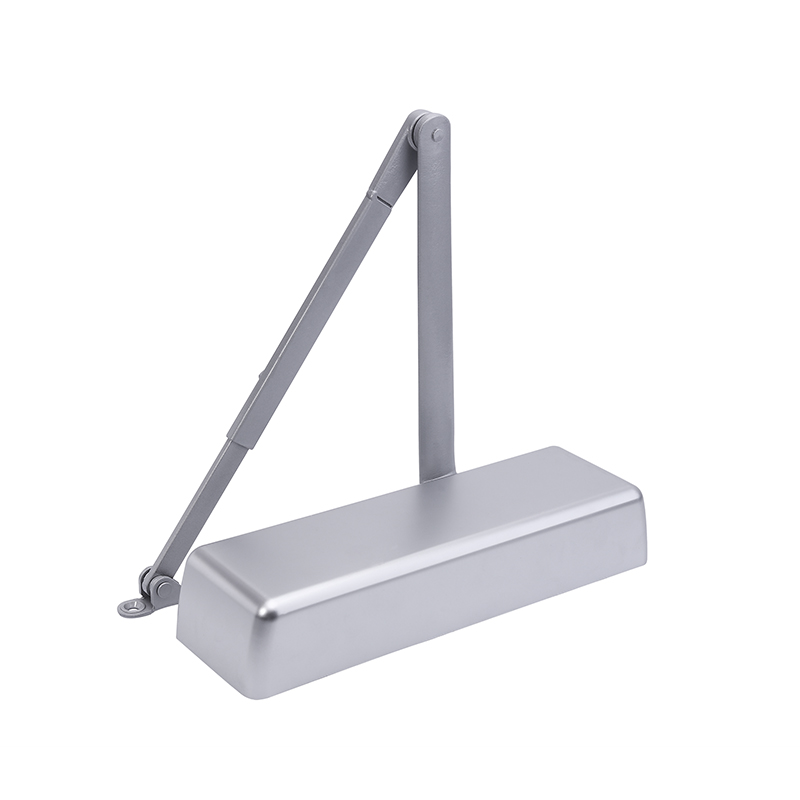
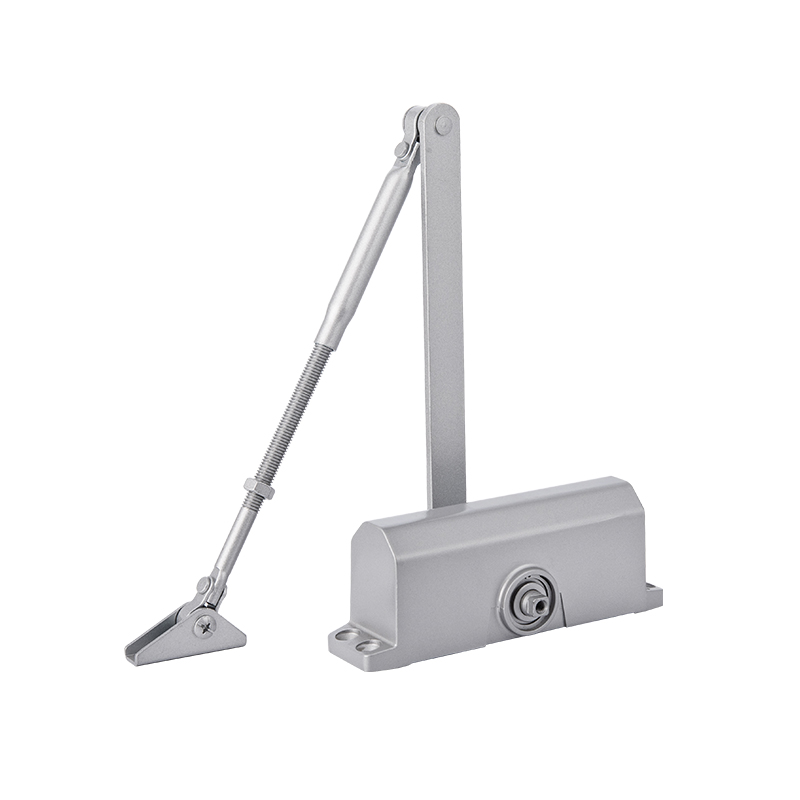
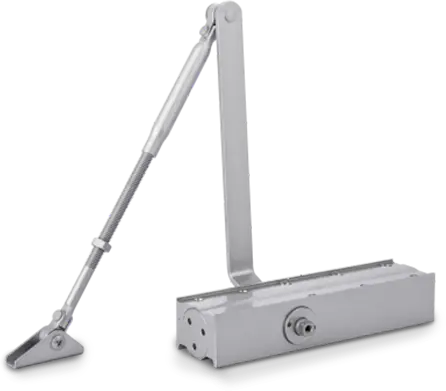
As the demand for functional yet aesthetically pleasing door hardware continues to grow, integrating effective closing mechanisms becomes essential. The commercial surface mounted door closer complements the concealed solutions by offering robust performance, ease of installation, and visible control options for various commercial applications. Together, these technologies provide a versatile and reliable approach to modern door management, enhancing both safety and operational efficiency in contemporary building projects.

 中文简体
中文简体
 English
 русский
 عربى
عربى