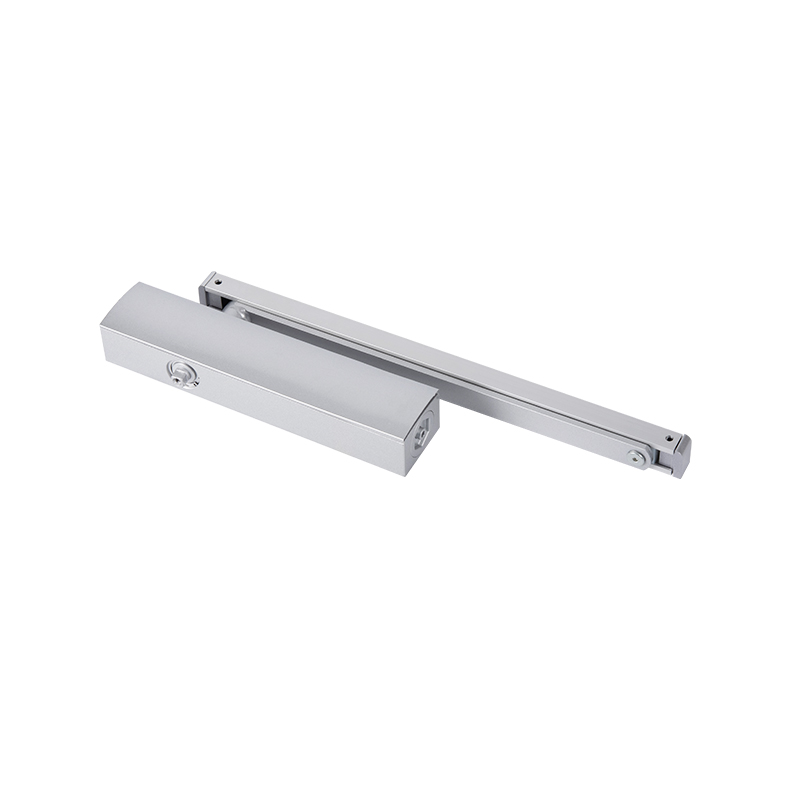
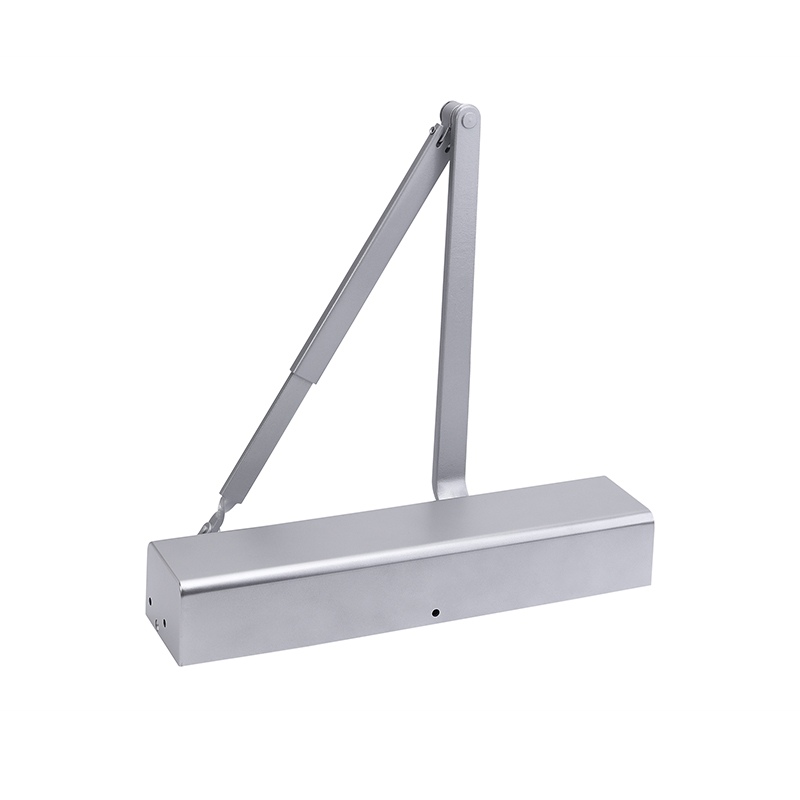
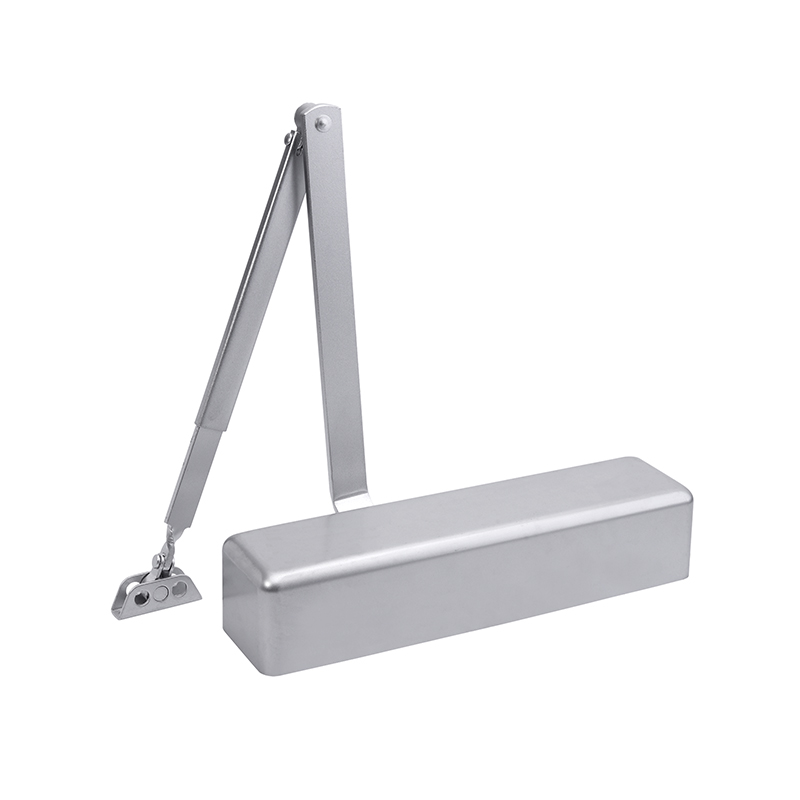
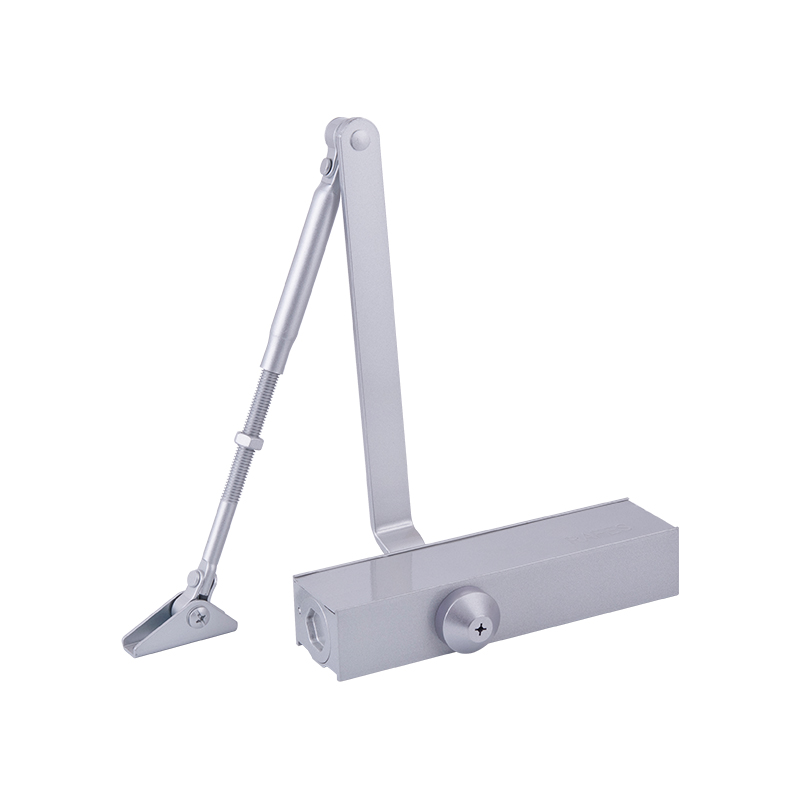
As global discussions around building safety, energy efficiency, and aesthetic optimization continue to rise, many architects, suppliers, and project managers are revisiting the role of door control hardware. This shift has brought products such as the Concealed Door Closer and Surface Mounted Door Closer into the spotlight, especially as social platforms highlight design-smart and safety-focused construction solutions. With more people paying attention to subtle yet impactful architectural details, door closers are no longer viewed as simple accessories but as essential components of modern building performance.
A Growing Emphasis on Seamless Architectural Integration
Around the world, designers are increasingly looking for hardware that integrates naturally into their visions. Minimalist and clean style trends—popular across architecture blogs and online design communities—have made concealed systems highly appealing.
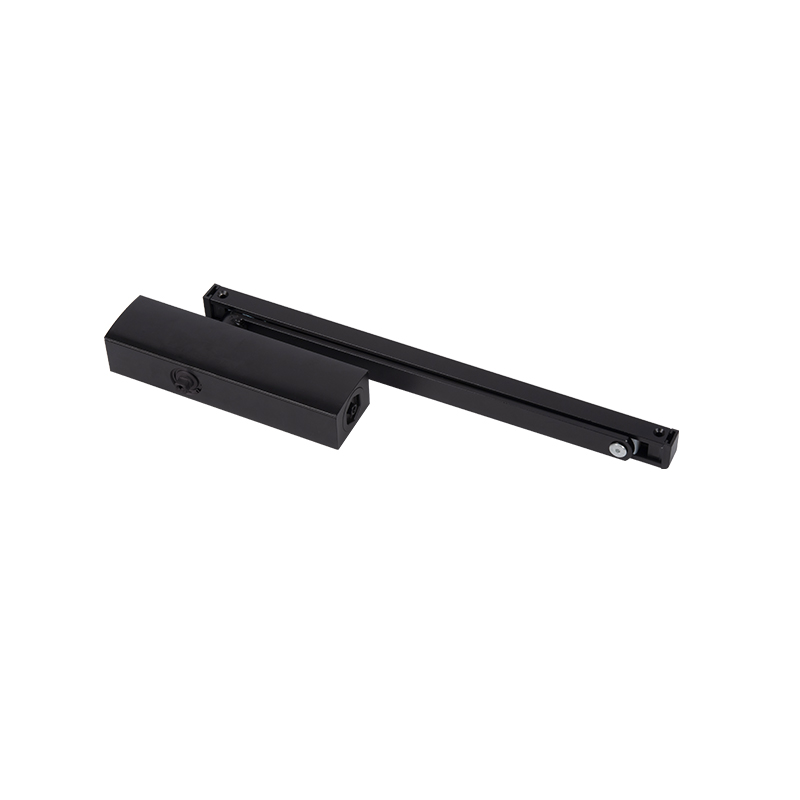
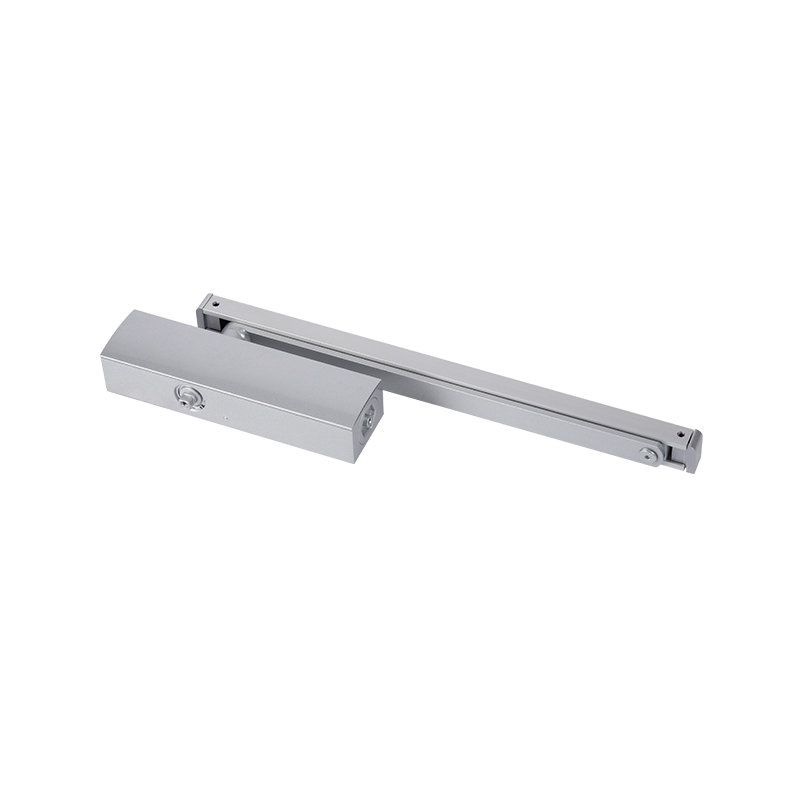
A Concealed Door Closer fits this direction well because it supports a streamlined appearance while still delivering reliable door control.
In commercial corridors, shopping centers, hospitality spaces, and educational institutions, the ability to maintain visual consistency without compromising daily functionality is becoming a major priority.
This shift toward visually integrated solutions is not driven only by aesthetics. Many property owners now recognize that unobtrusive door control supports a more comfortable environment. Spaces appear less cluttered, layouts feel more open, and the design flow can be maintained without exposed mechanical components disrupting the interior theme. With these preferences gaining traction on social media, demand for concealed hardware continues to expand.
Why Safety and Accessibility Standards Are Shaping Purchasing Decisions
Global conversations around building safety are growing louder, particularly as workplaces and public spaces aim to provide more accessible paths for diverse user groups.
Door closers play a central role in this discussion because they influence the way people interact with doors on a daily basis. Smooth and stable closing motion is essential not only for comfort but also for reducing unnecessary noise, avoiding sudden slams, and maintaining controlled access.
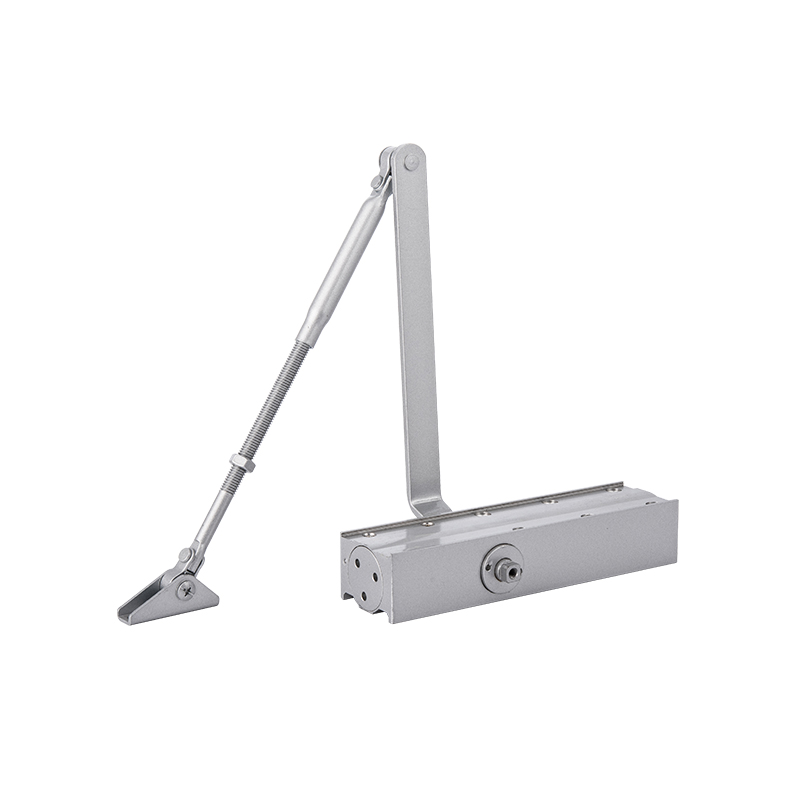
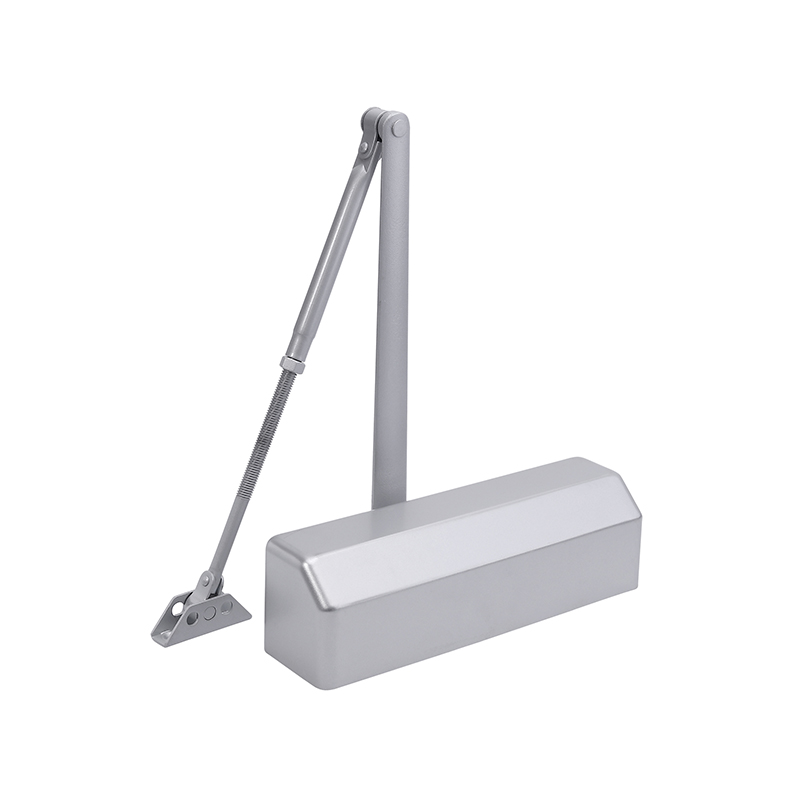
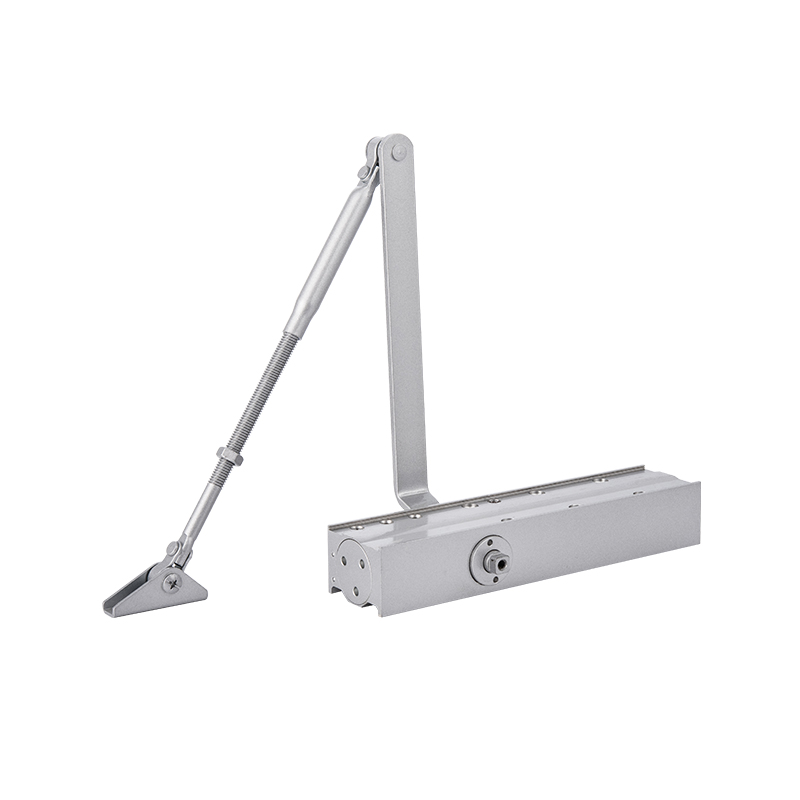
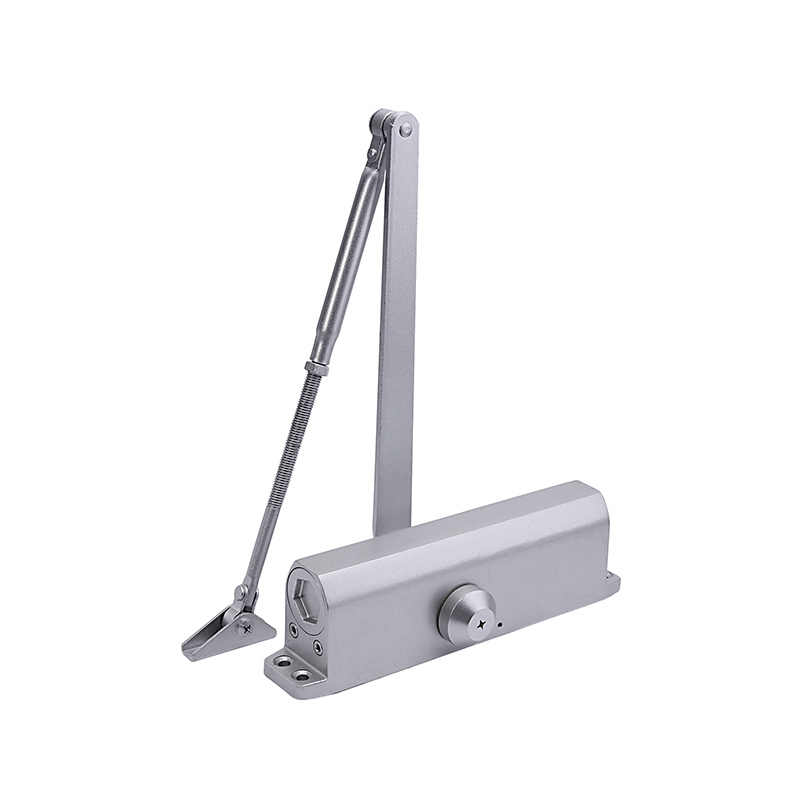
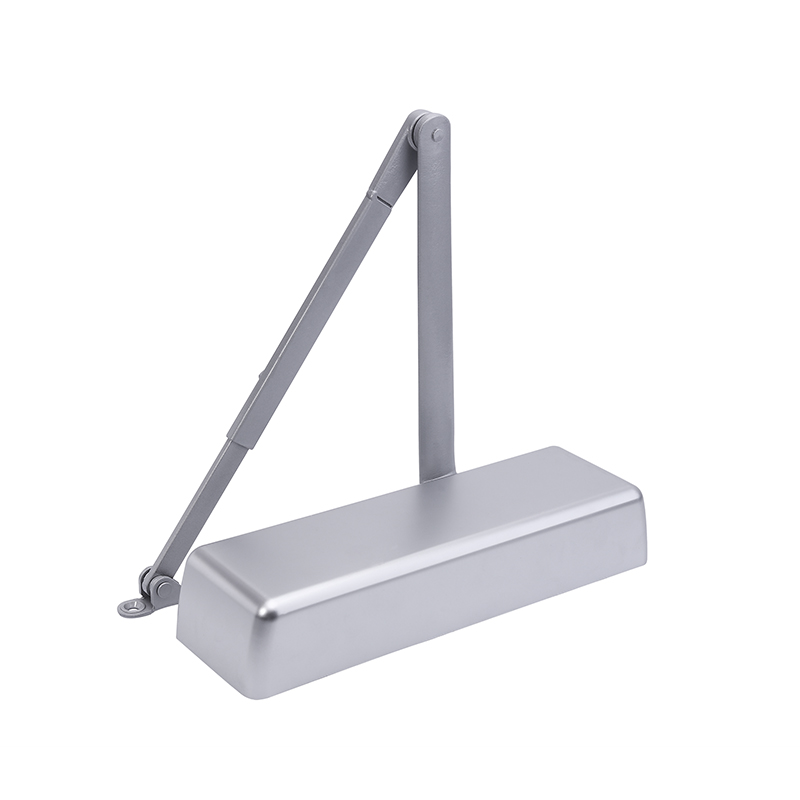
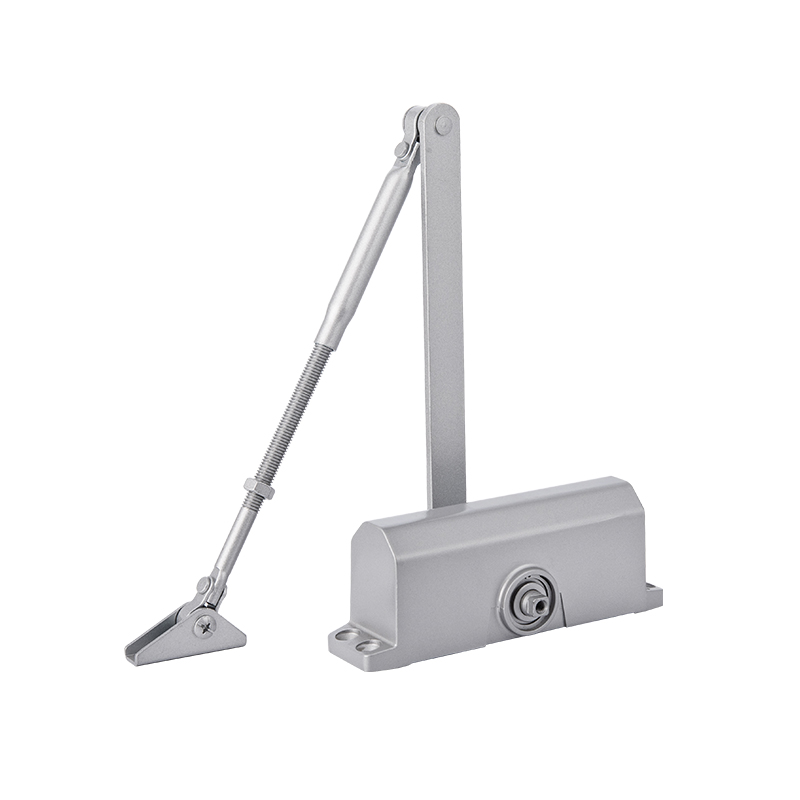
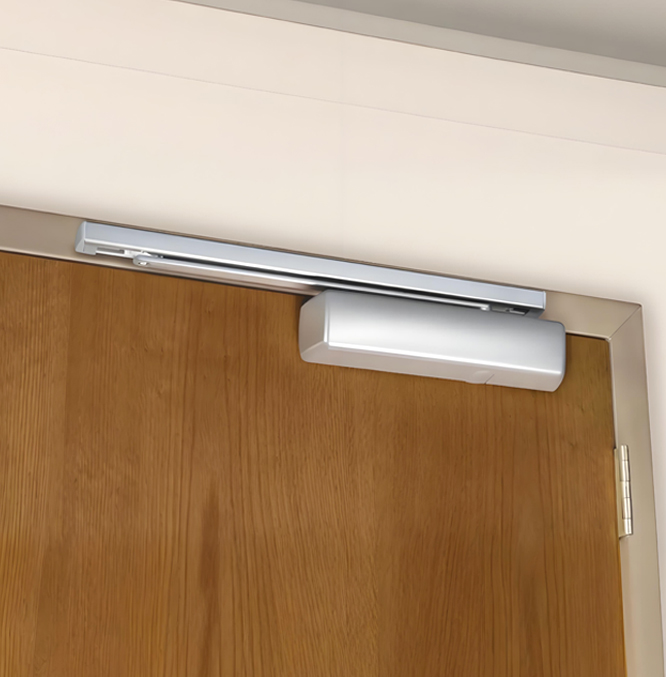
A Surface Mounted Door Closer remains a widely chosen solution for high-traffic environments due to its consistent performance and structural adaptability. It supports controlled opening and closing, which helps protect door frames, maintain security, and improve user experience. As organizations continue to upgrade facilities—especially older buildings—these closers offer a practical and effective choice.
Social media trends in facility management and workplace improvement have further amplified awareness of proper door control setups. Building managers now discuss not just installation, but the broader impact of doors on safety, workflow, and longevity of building materials.
Sustainability Is Also Influencing Modern Hardware Choices
As global industries become more environmentally conscious, the conversation around hardware durability and lifecycle performance has strengthened. Door closers contribute directly to a building’s long-term environmental impact because they help protect doors from wear, reduce replacement cycles, and support better climate control by ensuring doors close effectively.
Concealed and surface-mounted options both align with sustainability expectations when produced with reliable components and long-lasting materials. When hardware remains functional for years, waste decreases and building maintenance becomes more cost-effective.
In addition, businesses are increasingly seeking products that contribute to stable indoor environments—something door closers naturally support by helping maintain room temperatures and reducing unnecessary air loss.
This alignment with global sustainability topics gives door control products additional visibility in online discussions about greener construction strategies.
How Modern Buyers Evaluate Door Closers Today
With the influence of online product research growing stronger, buyers now compare solutions based on installation flexibility, reliability, maintenance requirements, and design compatibility.
Architects often evaluate how well a concealed overhead closer matches the building’s structural layout, while commercial operators may focus on the straightforward installation of surface-mounted closers.
Decision-makers also look for suppliers who can provide detailed guidance, consistent product quality, and technical support. In an era where building projects move quickly and onsite challenges are common, trusted manufacturers have an advantage.
This shift has encouraged door hardware companies to share more educational content, technical examples, and real-world usage scenarios on their websites—helping global buyers feel confident before making a choice.
A Growing Market with Expanding Opportunities
As digital conversations continue shaping global construction trends, the attention on door control solutions will only grow. The increasing demand for both aesthetic integration and practical performance ensures strong opportunities for modern hardware manufacturers. Whether a project calls for a visually hidden design or a surface-mounted solution suited for heavy-traffic areas, today’s buyers want products that align with evolving expectations of safety, usability, and building efficiency. The rising interest in both the Concealed Door Closer and the Surface Mounted Door Closer reflects this wider shift and demonstrates how essential reliable door-control technology has become in contemporary architecture.

 中文简体
中文简体
 English
 русский
 عربى
عربى