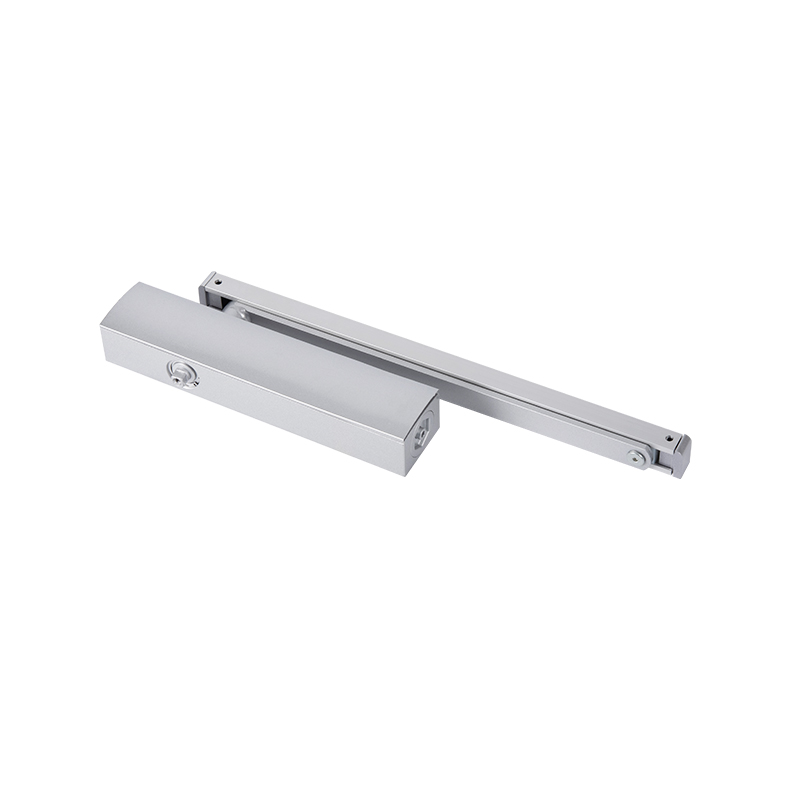
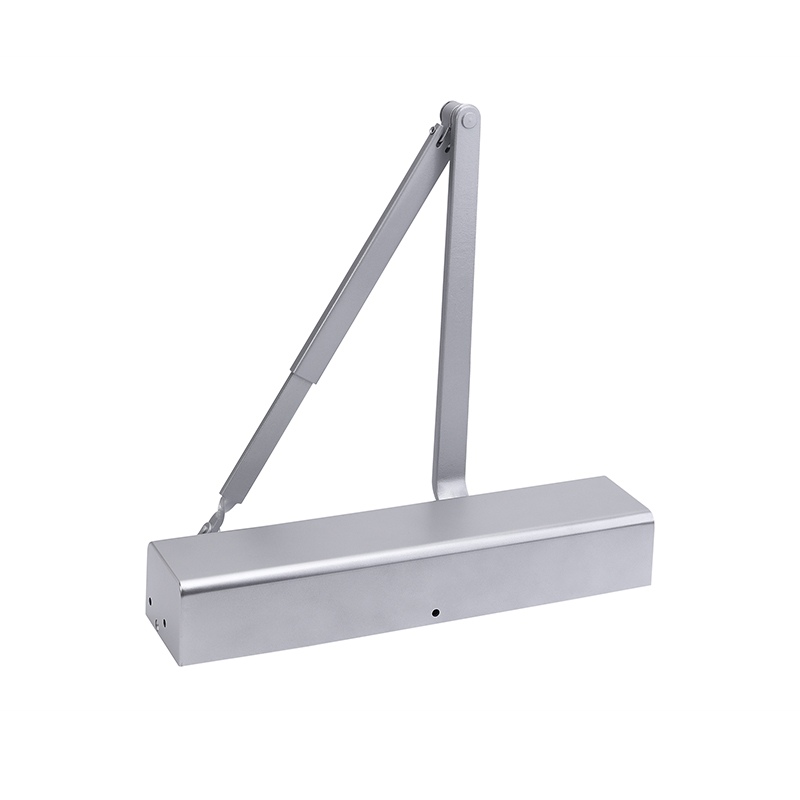
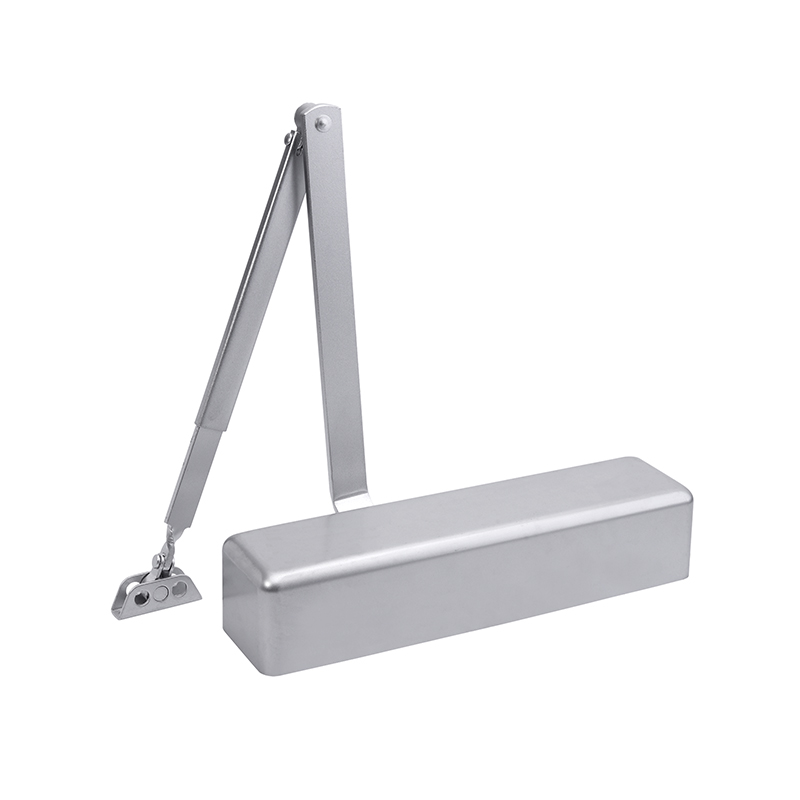
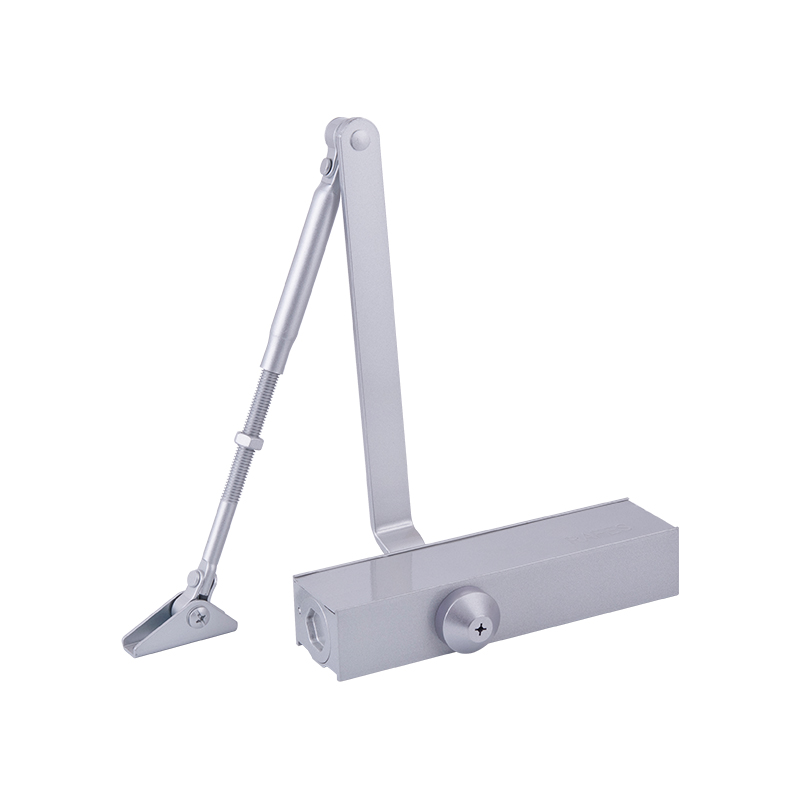
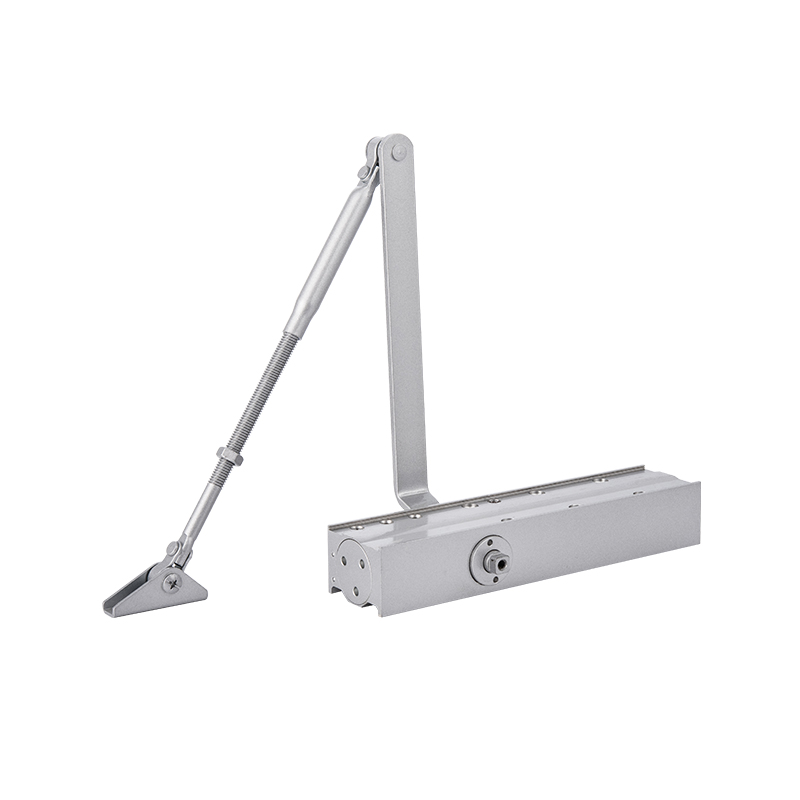
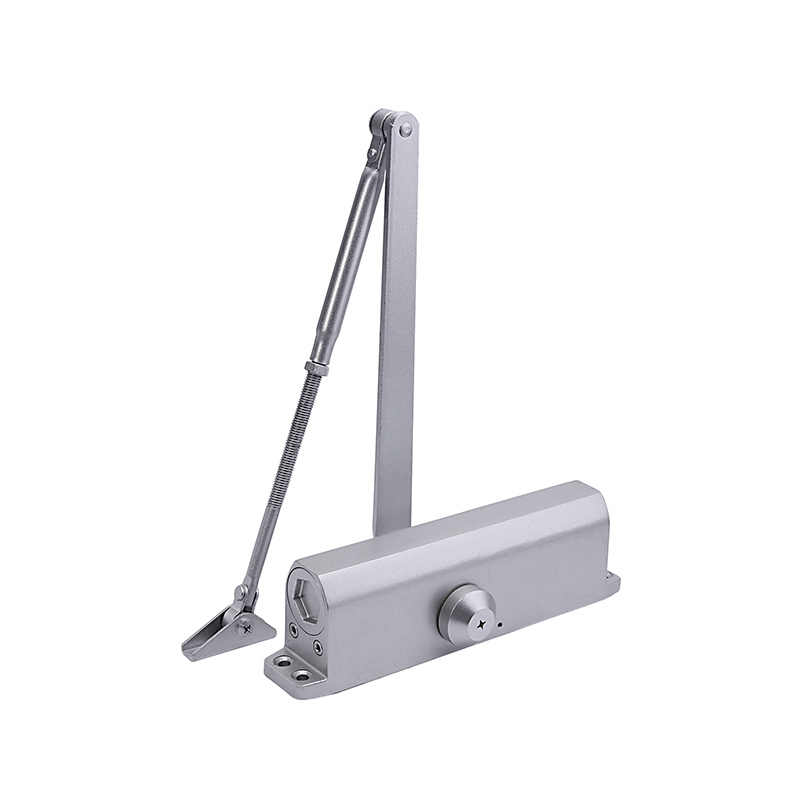
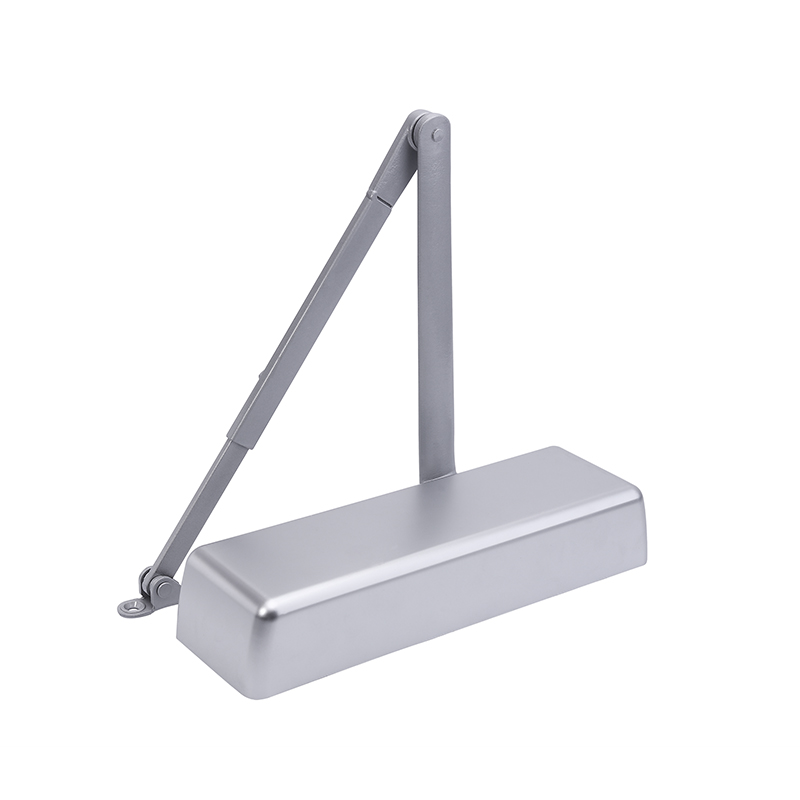
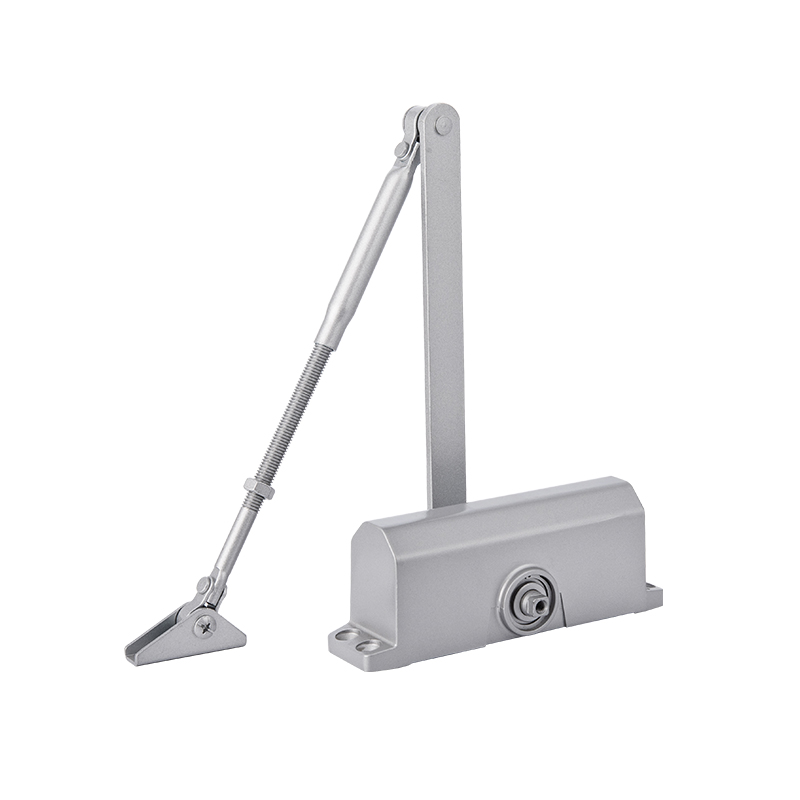
As global discussions around building safety, smart facilities, and user-friendly architectural hardware continue to rise, many overseas markets are taking a fresh look at door-control technology. Products such as the Concealed Door Closer and Surface Mounted Door Closer are increasingly highlighted in design forums, security channels, and construction-related social communities. With more professionals sharing renovation experiences and safety concerns online, these two types of closers are gradually becoming essential references for architects, contractors, and facility managers. Their relevance is now widely acknowledged as buildings move toward more streamlined aesthetics, accessible environments, and controlled traffic flow.
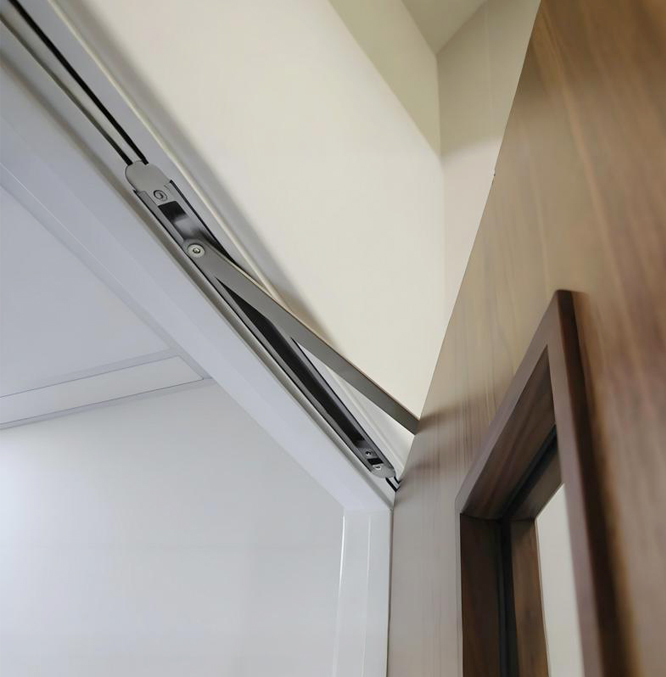
Invisible Design Becomes a Modern Architectural Preference
Minimalist architecture has become a significant global trend, with designers seeking hardware that supports clean lines and unobstructed surfaces. Concealed models fit perfectly into this aesthetic direction. Since they remain hidden within the door and frame, they offer functionality without affecting visual harmony. This design concept is frequently discussed on social media platforms where homeowners and designers upload renovation videos featuring invisible components.
The shift toward subtle hardware indicates that more projects—especially premium residential, boutique hospitality, and corporate interiors—prefer solutions that combine performance with aesthetic neutrality. This trend enhances the appeal of concealed closers, allowing buildings to maintain both operational quality and visual coherence.
Why Reliability Matters in High-Traffic Public Spaces
In commercial and institutional settings, durability and reliability carry significant weight. Schools, hospitals, shopping centers, and transportation hubs experience constant door usage, which makes door-control stability a key priority.
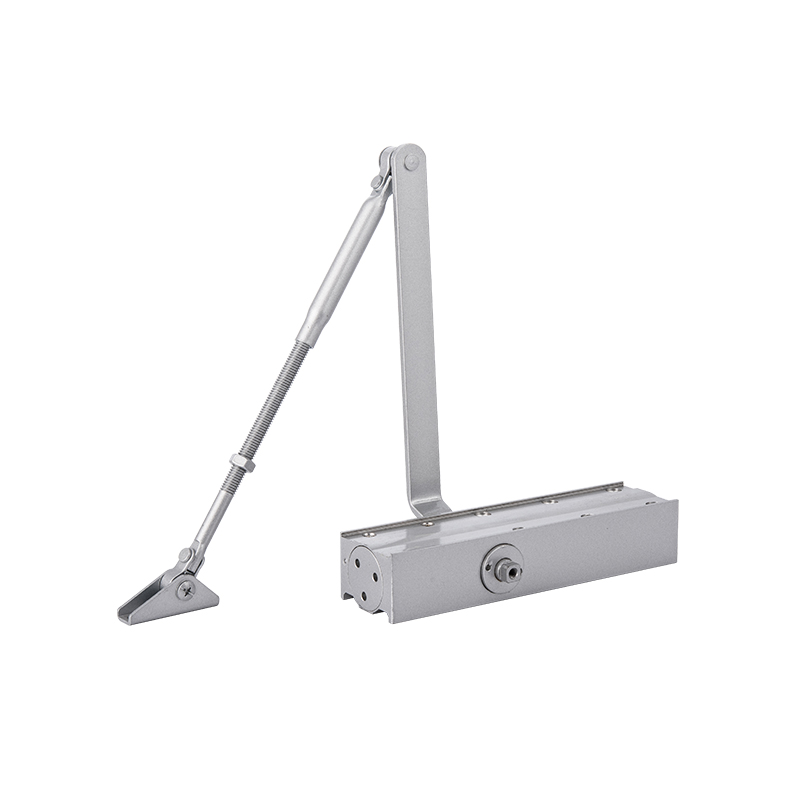
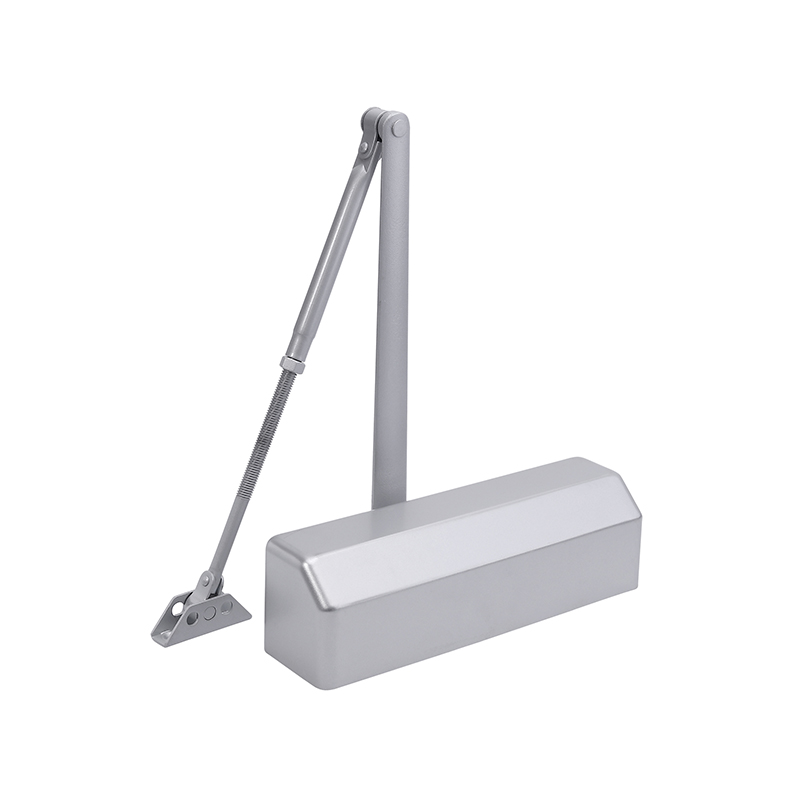
Commercial surface mounted models often draw special attention in these environments because their visible structure allows easier inspection and servicing. The configuration helps maintenance teams quickly assess performance and make timely adjustments. Global discussions around public safety regulations also emphasize the need for dependable door-closing systems that contribute to orderly movement and emergency readiness.
As more governments and organizations update safety standards, interest in high-quality, long-life door closers continues to increase across facility management communities.
Stronger Interest in Noise Control and Smooth Mobility
Online conversations show that people are increasingly sensitive to sound management in buildings, whether at home or in the workplace. Door-slamming noise is a common complaint across co-working spaces, residential communities, and office environments.
This is where advanced hydraulic door closers create distinct value. Both concealed and surface mounted solutions contribute to quiet, controlled closing actions that improve overall user comfort. Designers working on libraries, studios, meeting spaces, and healthcare facilities frequently highlight noise reduction as an important purchasing factor.
With remote work and flexible office arrangements becoming more widespread, comfort-oriented building components attract more consumer attention than ever before.
Installation Flexibility Appeals to Diverse Construction Needs
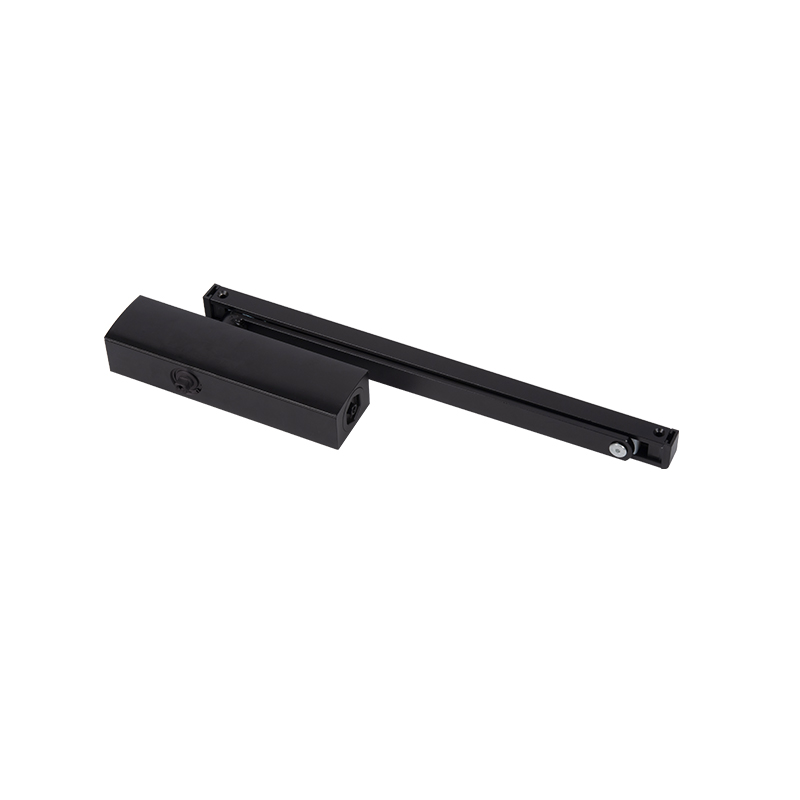
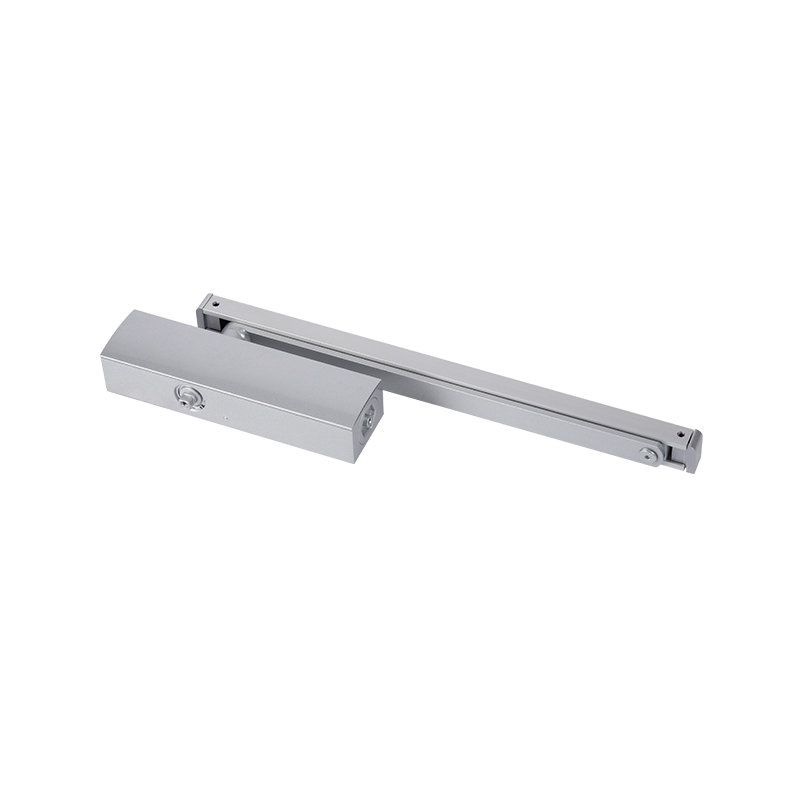
One major reason these closers remain popular is their adaptable installation methods. Concealed models serve projects requiring an integrated and polished look, whereas surface mounted models support fast deployment, retrofitting, and straightforward maintenance.
This versatility allows builders and facility owners to choose options aligned with door structure, budget, and long-term maintenance strategy. In global renovation discussions, professionals often emphasize that choosing the right type of closer can directly influence project efficiency and operational convenience.
The variety of available configurations enables easier customization, making these closers suitable for both modern new-builds and older properties undergoing upgrade cycles.
Door Technology Advances Drive New Expectations
As technology evolves, door closers are no longer viewed as simple mechanical accessories. They are now part of broader building-performance conversations involving accessibility, safety integration, energy-saving entryways, and traffic-flow design.
Manufacturers worldwide are exploring innovations in hydraulic performance, anti-tamper structures, adjustable functions, and compatibility with different door materials. Users increasingly expect hardware that adapts to their environment rather than requiring the environment to adapt to the hardware.
This mindset contributes to growing recognition of both concealed and surface mounted closers in professional discussions and procurement channels.
A Growing Global Focus on Practical, Effective Door Hardware
With global communities sharing experiences related to safety, comfort, and architectural design, door closers have gained new attention among industry professionals. Whether the priority is subtle integration or visible practicality, both the Concealed Door Closer and Surface Mounted Door Closer play valuable roles in modern buildings. Their evolving functions continue to influence how businesses, designers, and facility managers approach hardware selection in today’s increasingly dynamic construction landscape.

 中文简体
中文简体
 English
 русский
 عربى
عربى