In contemporary architecture, door systems are expected to deliver more than basic functionality—they must combine durability, safety compliance, and seamless user experience. As a result, products like the UL Standard Floor Hinge are increasingly specified in commercial and public projects where performance and certification matter. For developers, engineers, and procurement managers, selecting the right door control solution is essential to ensure both operational reliability and alignment with international standards.
Architectural Trends Driving Demand for Concealed Hardware
Modern building design emphasizes clean lines, open spaces, and minimal visible hardware. This has led to a growing preference for concealed door systems that maintain aesthetic integrity without compromising performance.
Floor hinges and floor springs support this trend by:
- Being installed below floor level for a discreet appearance
- Allowing frameless glass door applications
- Supporting wide and heavy doors without bulky overhead devices
These features make them particularly attractive in high-end commercial interiors and public-facing spaces.
Performance Requirements in High-Traffic Environments
In locations such as shopping centers, office buildings, and transportation hubs, door hardware must withstand constant use while maintaining smooth operation.
Key performance expectations include:
- Stable closing speed regardless of door weight
- Resistance to wear under frequent opening cycles
- Consistent alignment to prevent door sagging
Manufacturers design floor hinges with reinforced internal structures and hydraulic systems to meet these demands, ensuring reliable performance over time.
UL Standard Floor Hinge: Meeting Safety and Compliance Needs
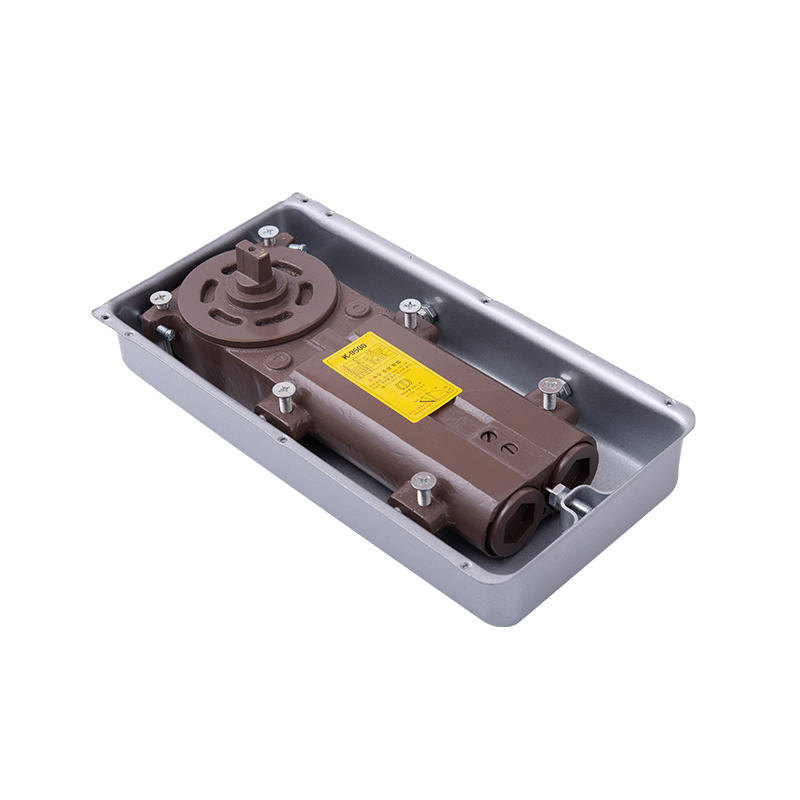
A UL Standard Floor Hinge is developed in accordance with recognized safety and performance standards. This ensures that the product can be used in projects requiring certified components, such as fire-rated door systems or regulated commercial buildings.
Typical features include:
- High-strength internal components for load-bearing support
- Adjustable closing and latching speeds for controlled movement
- Corrosion-resistant finishes suitable for different environments
- Compatibility with various door materials, including glass and metal
These characteristics help buyers meet project specifications while maintaining consistent quality.
Application Versatility Across Global Projects
Floor hinge and spring systems are widely used in diverse applications:
- Retail environments: enhancing customer flow and accessibility
- Hospitality spaces: providing smooth and quiet door operation
- Healthcare facilities: supporting controlled and reliable access
- Office buildings: maintaining a professional and modern appearance
Their versatility allows architects and engineers to integrate them into different design concepts without compromising functionality.
Key Factors for Product Selection
For procurement professionals, selecting the right product involves evaluating both technical and practical considerations:
- Matching load capacity with door dimensions
- Determining appropriate opening angles and hold-open options
- Assessing environmental conditions such as humidity or temperature
- Verifying compliance with regional standards
Careful selection ensures optimal performance and reduces the need for frequent adjustments or replacements.
Installation Insights and Maintenance Considerations
Even high-quality products require proper installation to perform effectively. Best practices include:
- Accurate positioning to ensure smooth pivot movement
- Secure anchoring to handle door weight
- Periodic inspection of hydraulic settings
- Cleaning to prevent dust or debris from affecting operation
Following these steps helps maintain consistent performance and extends the service life of the system.
Integration of Design and Functionality
As architectural expectations continue to evolve, door hardware is becoming more integrated with overall building design. The focus is shifting toward solutions that combine aesthetics, durability, and compliance.
For global buyers and project planners, selecting certified and well-engineered products is a strategic decision. By incorporating reliable solutions such as the UL Standard Floor Hinge alongside advanced systems like the ANSI Standard Floor Spring, projects can achieve a balance of safety, efficiency, and design flexibility in modern construction environments.

 中文简体
中文简体
 English
 русский
 عربى
عربى