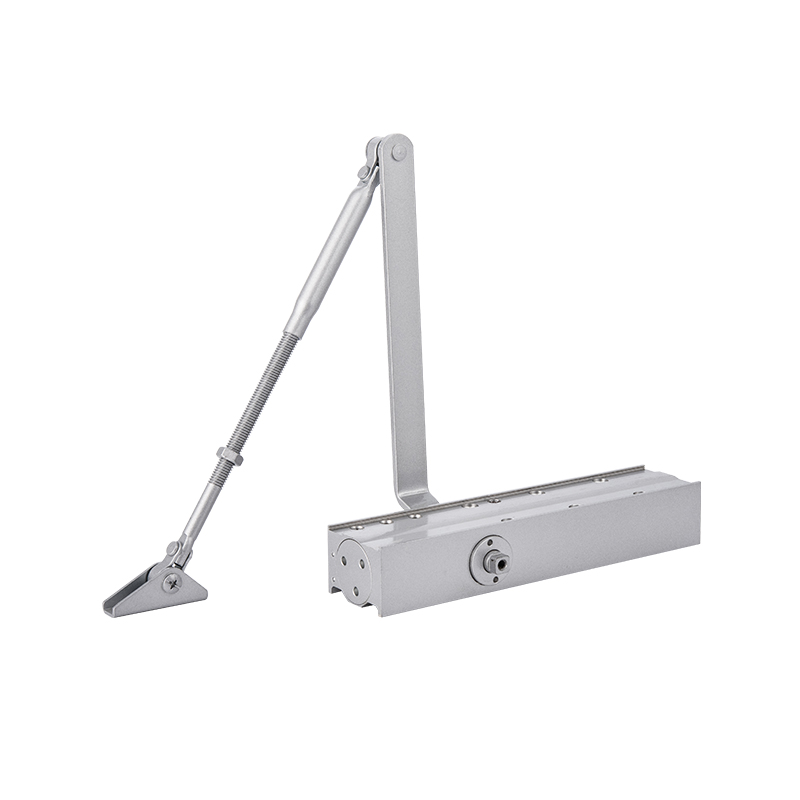
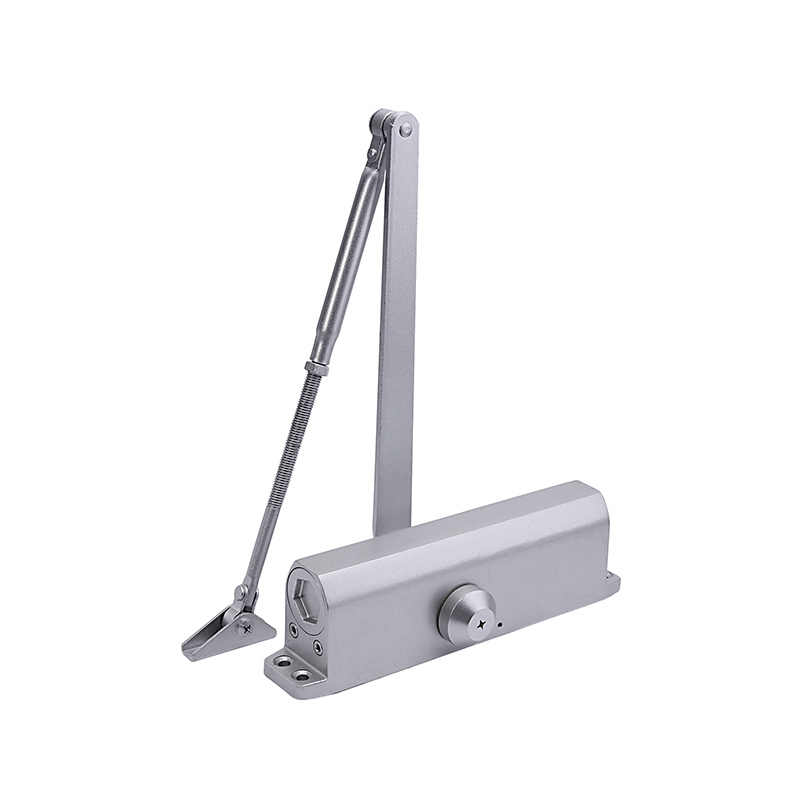
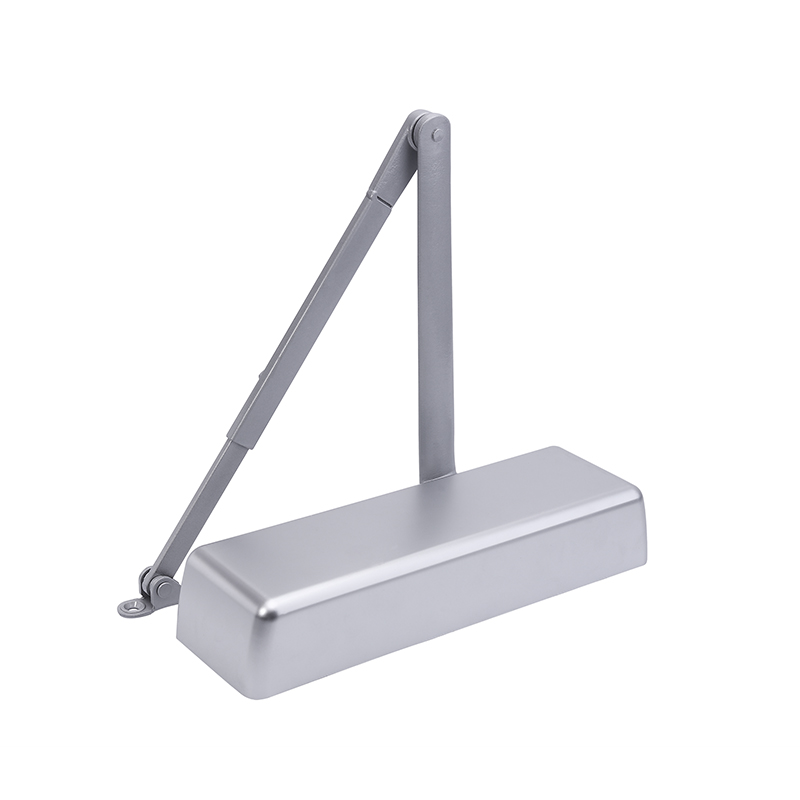
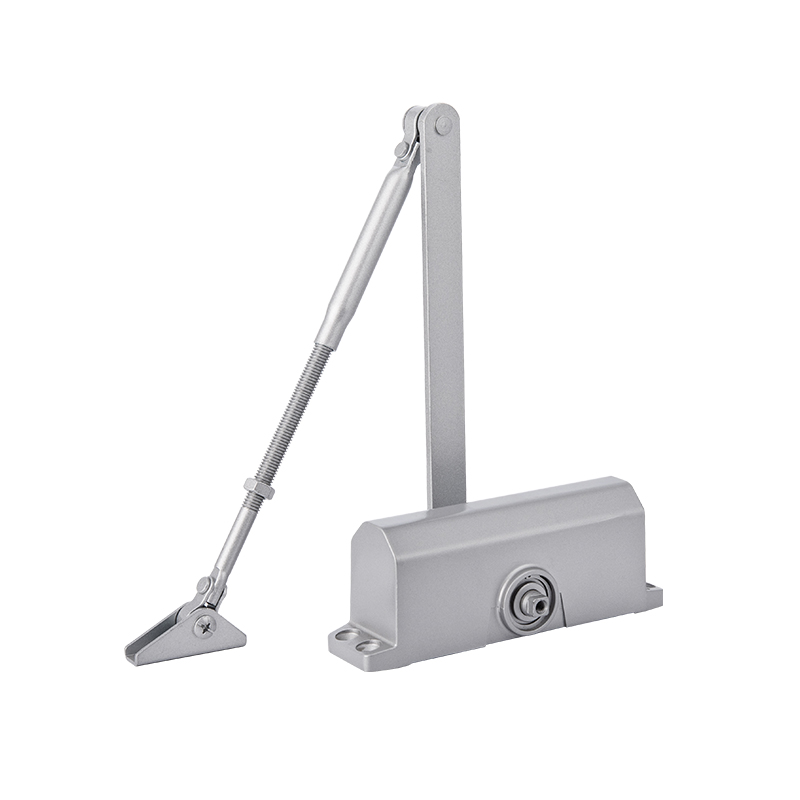
Commercial door hardware rarely gets discussed until it fails at the worst possible moment, and that is exactly why testing protocols for an aluminium floor spring matter so much to architects, glaziers, and building managers. Before a single unit leaves a factory floor, it goes through a sequence of mechanical checks that determine whether it can handle years of foot traffic without drifting off its closing speed or leaking hydraulic fluid.
Closing force calibration starts the process. Technicians mount the spring body into a test rig that simulates a door leaf swinging through a full 90-to-180 degree arc, thousands of times in a row. An aluminium floor spring rated for heavier glass or timber doors is expected to hold its adjustment across this cycle count, since a spring that loosens after a few hundred swings is not suitable for lobbies, retail entrances, or hospital corridors where doors open constantly.
Cycle Testing And Hydraulic Stability
Cycle testing is where most of the real engineering data comes from. Rigs are set to run continuously, often overnight, logging closing speed, latching action, and back-check resistance at set intervals. A well-built aluminium floor spring typically targets a cycle rating in the hundreds of thousands before any measurable drift appears in the hydraulic valves. Where are the failure points usually found? Seal degradation around the piston and valve wear inside the oil chamber are the two areas engineers watch most closely, since these components govern how smoothly a door leaf decelerates near the closed position.
Temperature range testing follows a similar logic. Doors in coastal regions, desert climates, or unheated warehouses experience swings that can affect oil viscosity inside a floor spring assembly. Manufacturers place units in chambers set to extreme cold and heat, then run the same swing cycles again to confirm that the hydraulic damping system does not stiffen or thin out beyond acceptable tolerance. This step separates hardware meant for controlled indoor lobbies from hardware rated for exterior glass entrances.
Load And Impact Resistance
Load testing addresses a separate question: what happens when a door is forced open beyond its intended arc, or slammed shut by wind or careless staff? An aluminium floor spring built for commercial use is checked against a rated maximum door weight and width, with technicians applying static load well above the published rating to see where the housing or spindle begins to show stress. Which components tend to show wear first in this stage? Spindle bushings and the cam mechanism that drives the closing action are usually the first to reveal fatigue, which is why cam profile design has become a differentiator between budget and mid-tier hardware lines.
|
Test Stage
|
What Is Measured
|
Typical Duration
|
|
Cycle testing
|
Closing speed, latching consistency
|
Continuous, multi-day
|
|
Temperature testing
|
Oil viscosity, seal integrity
|
Hours per cycle, repeated
|
|
Load testing
|
Spindle and cam stress tolerance
|
Short bursts, high force
|
|
Corrosion testing
|
Housing and fastener resistance
|
Days in a salt-spray chamber
|
Corrosion resistance is checked with salt-spray chambers, particularly for units destined for coastal buildings or high-humidity regions. The aluminium housing itself resists oxidation reasonably well, but the internal steel spindle, springs, and fasteners are more vulnerable, so plating and sealing quality become the real variable across different production batches.
Field Verification Before Shipment
Before packing, each aluminium floor spring unit passes through a final swing check on an actual door frame mock-up rather than just a bench rig. Installers manually open and close the door several times, checking for smooth latching, correct back-check engagement, and quiet operation without knocking or shuddering. Noise testing has become part of standard quality control because architects increasingly specify hardware for hospitality and healthcare projects where a loud closing mechanism is considered a defect on its own.
Documentation from these stages typically follows the unit to distributors, giving specifiers cycle-rating certificates and load charts they can reference during a project bid. When did this level of documentation become standard practice? Over the past decade, as glass door systems in commercial lobbies became more common, project architects began requesting verifiable test data rather than relying on catalog claims alone, pushing factories toward more transparent, traceable testing records for every aluminium floor spring batch produced.

 中文简体
中文简体
 English
 русский
 عربى
عربى