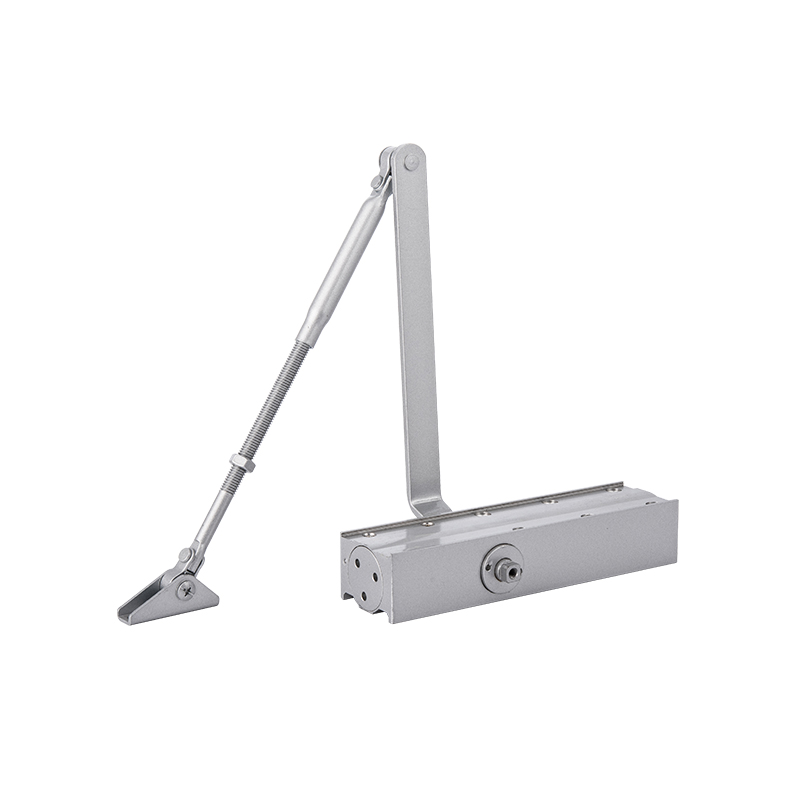
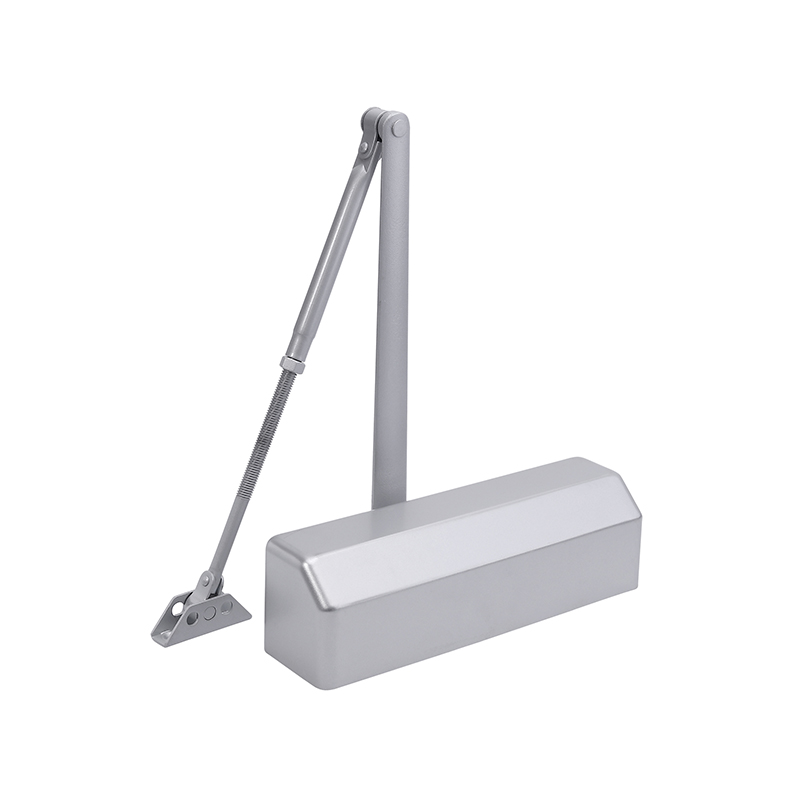
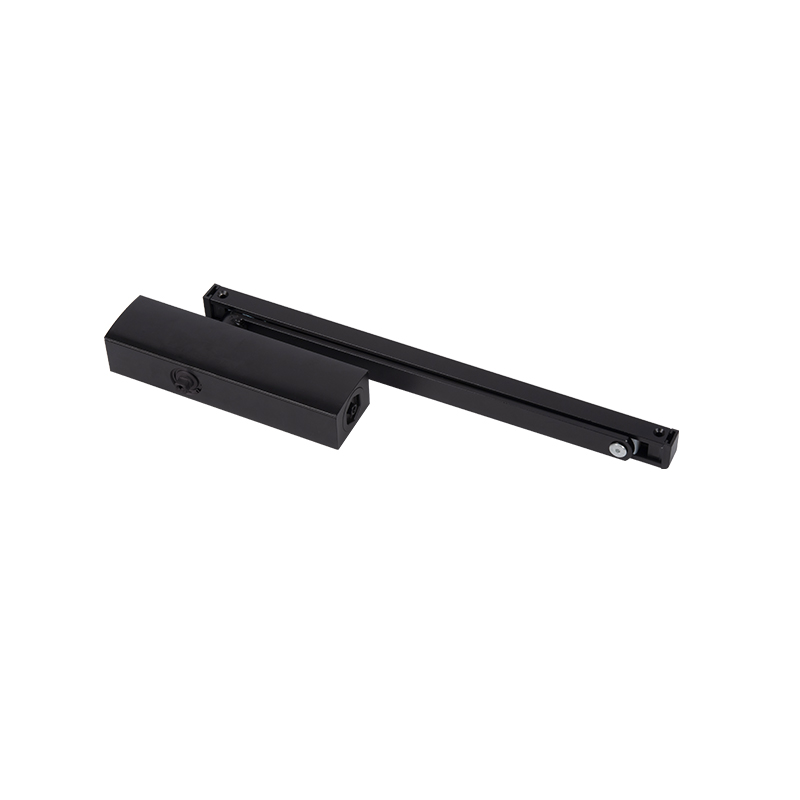
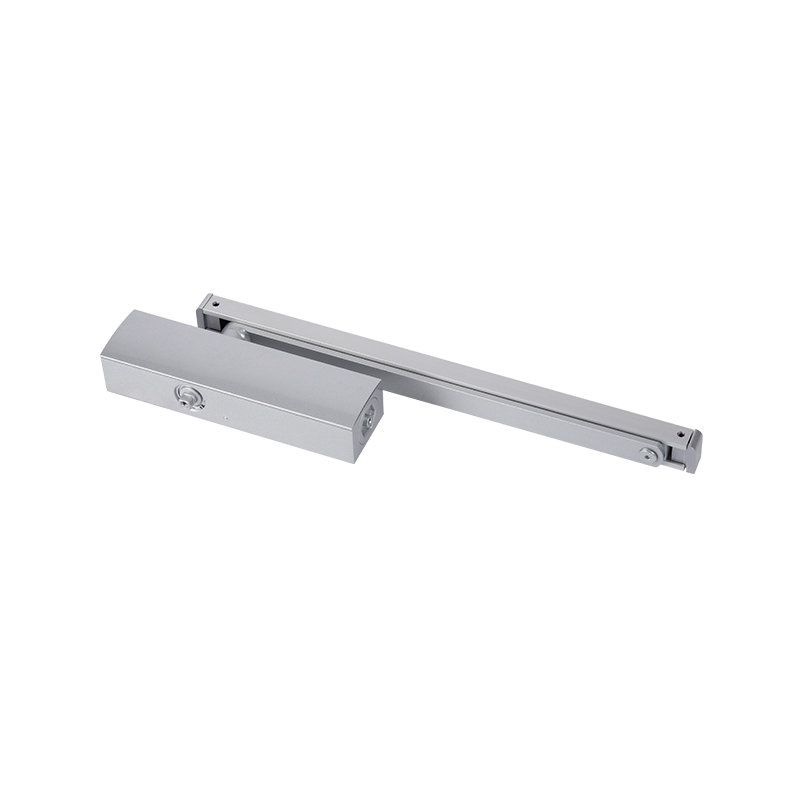
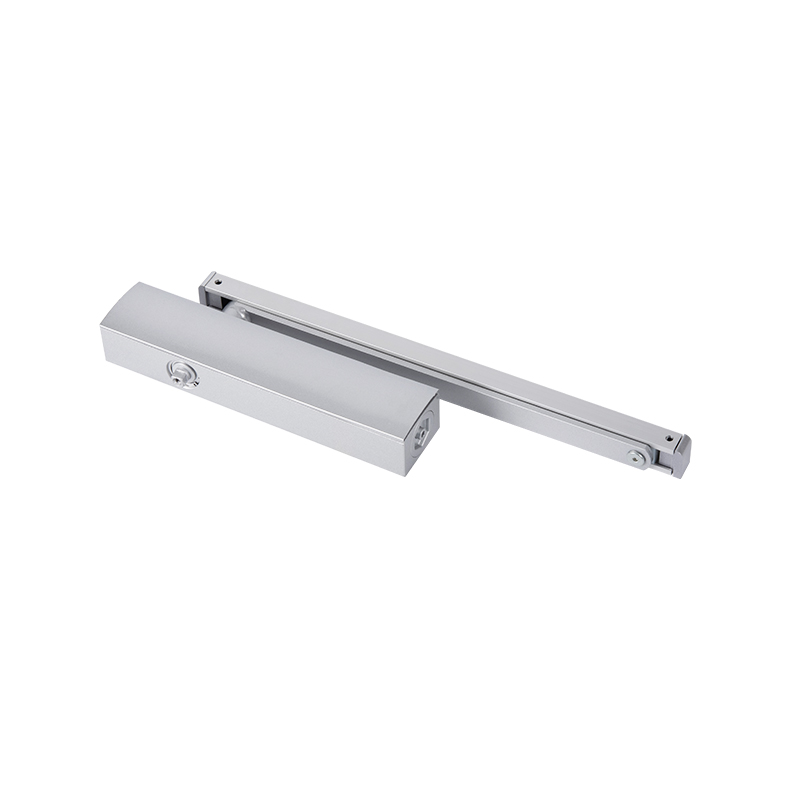
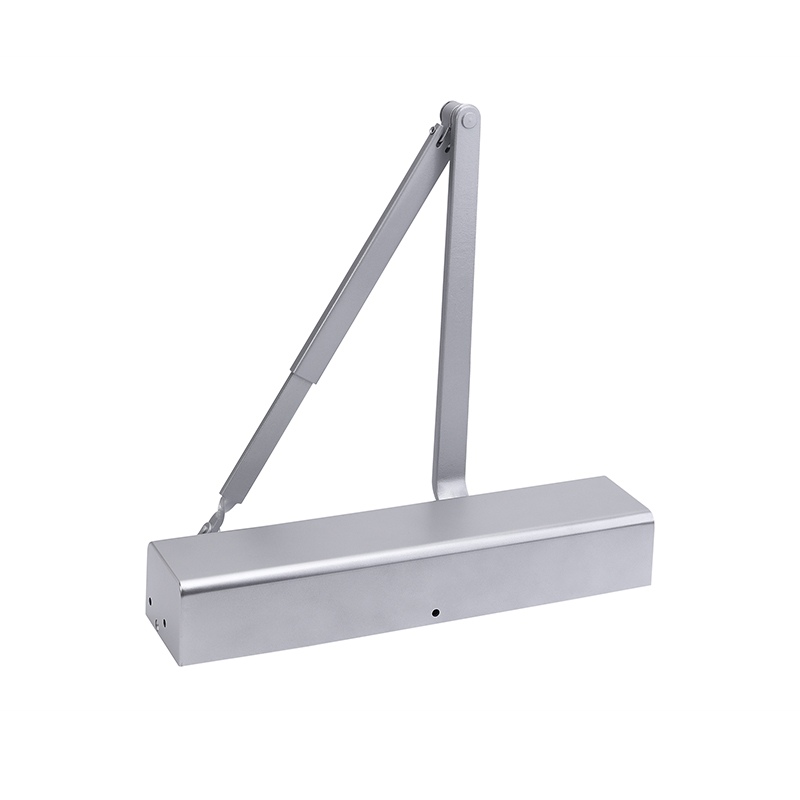
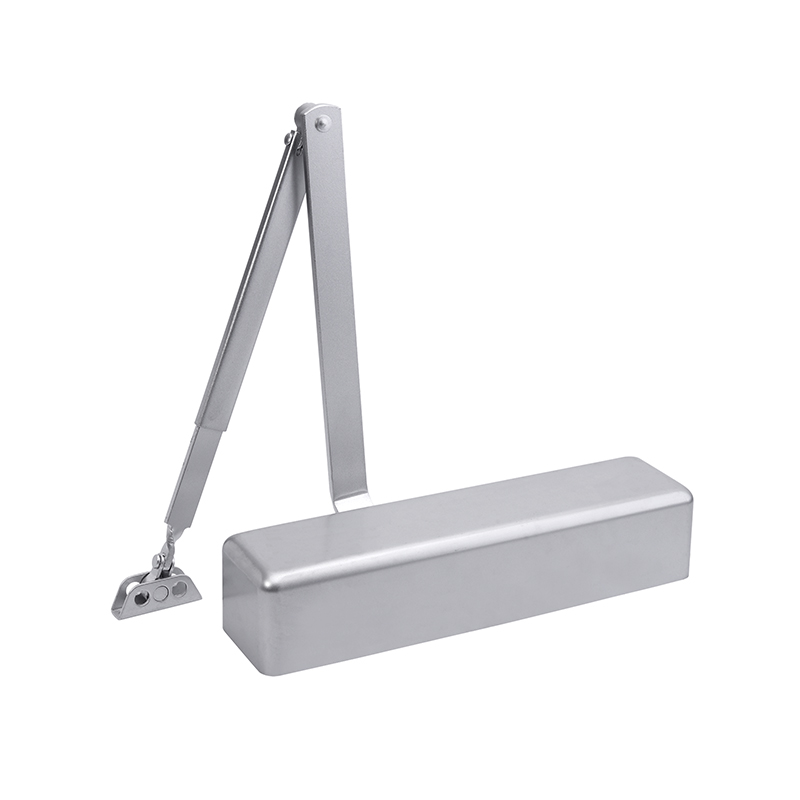
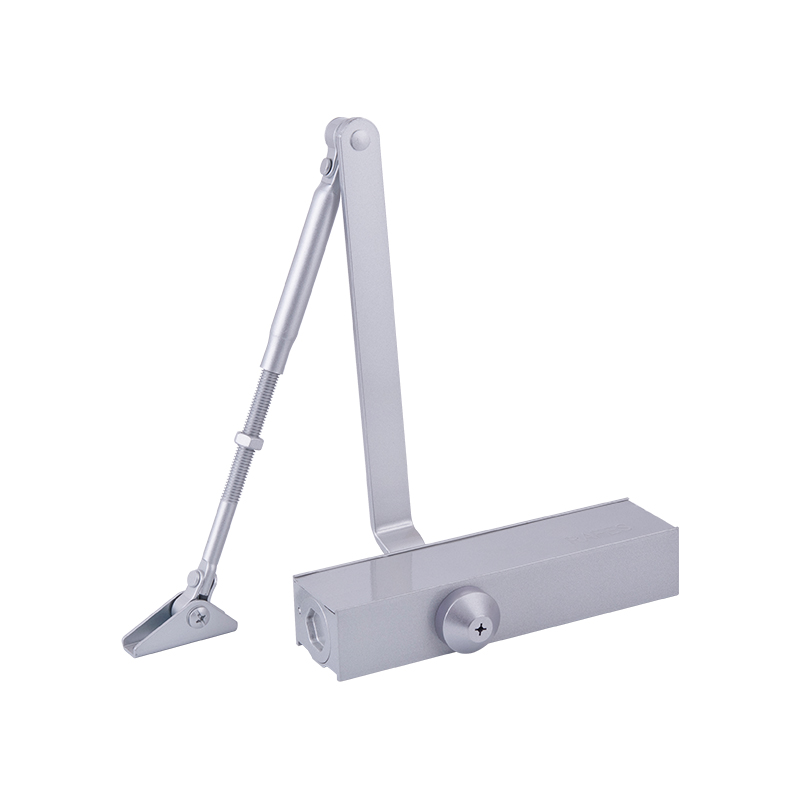
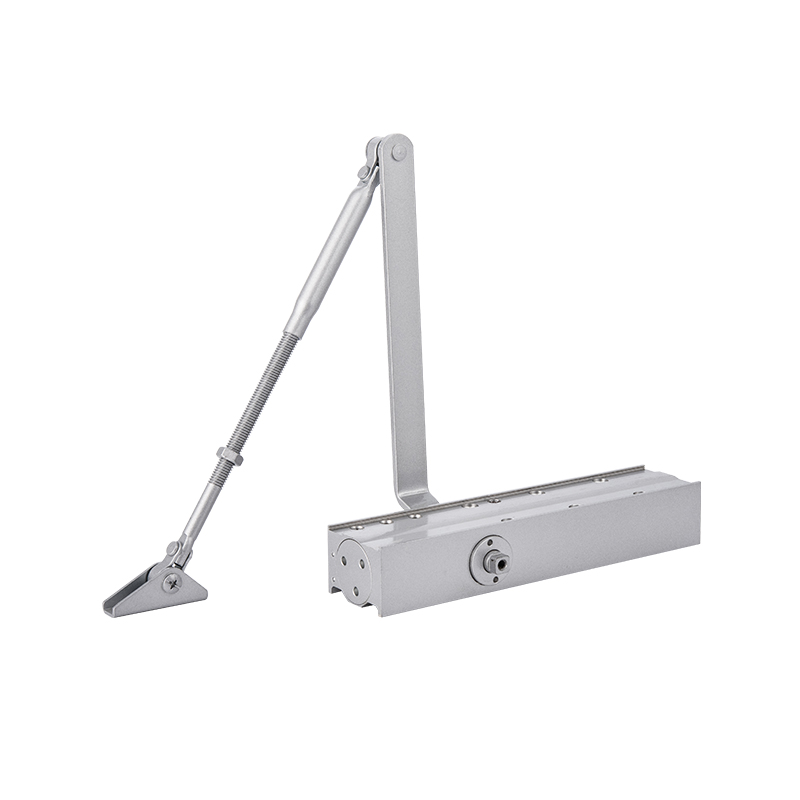
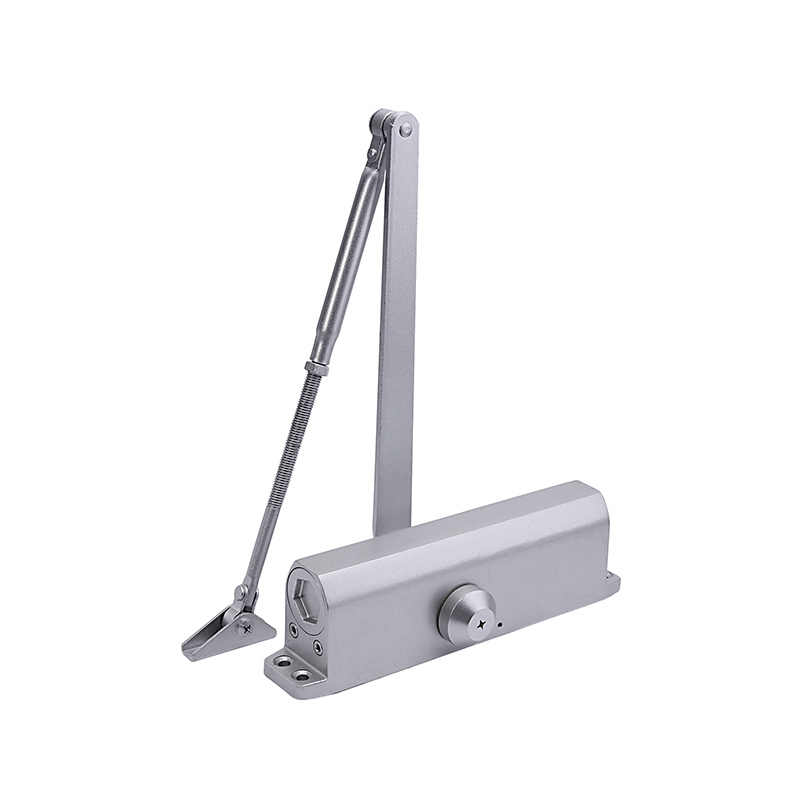
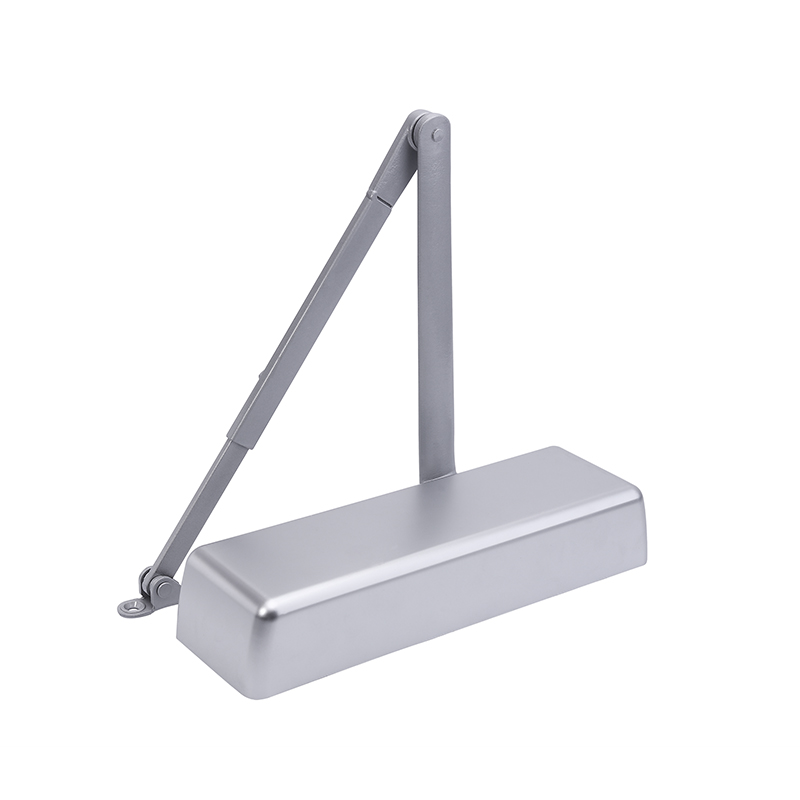
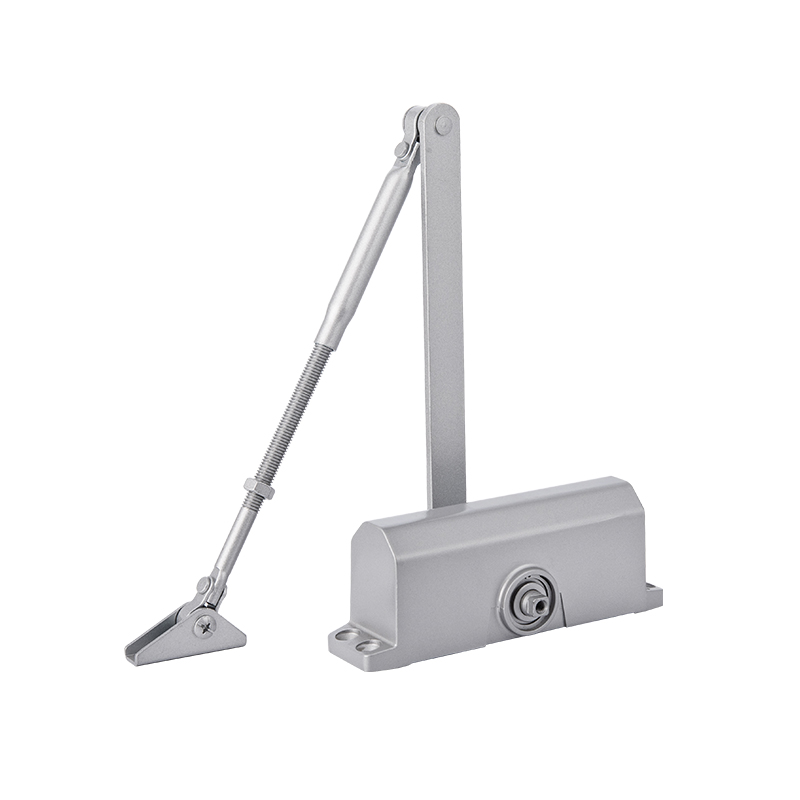
In overseas construction and renovation markets, demand for flexible, reliable hardware solutions is growing rapidly. From commercial real estate groups on LinkedIn to facility management discussions in professional forums, buyers increasingly emphasize collaboration and customization when selecting a Hardware ODM supplier. At the same time, the Back Check Door Closer is frequently highlighted as a practical component that helps protect building structures while improving daily user experience in high-traffic environments.
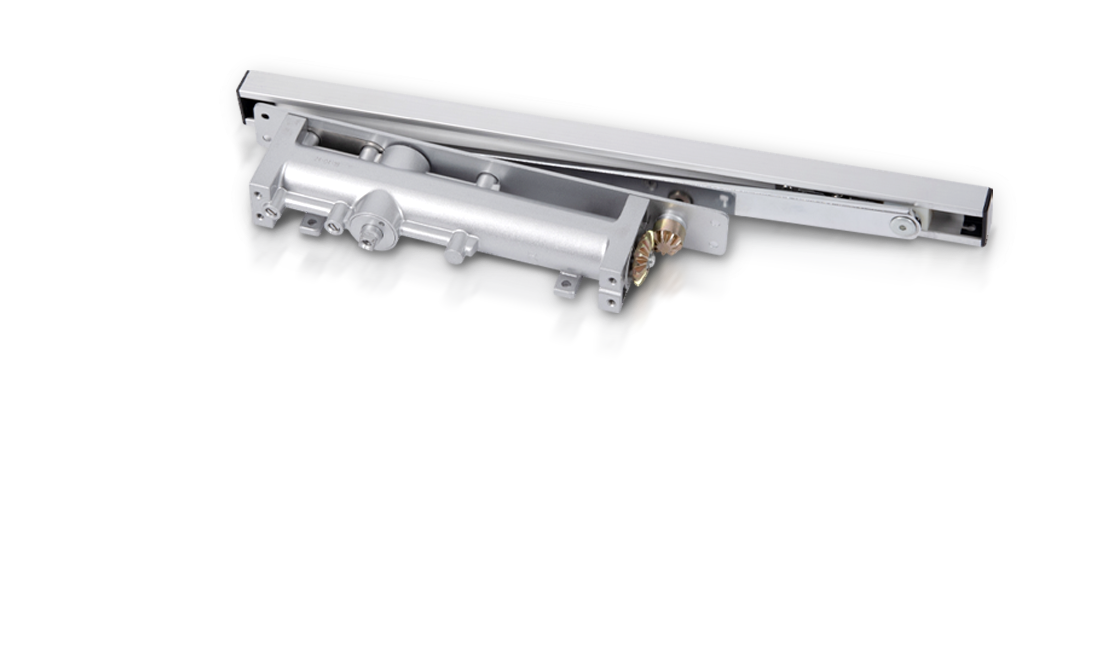
Shifting Expectations in the Global Hardware Market
International buyers today are no longer satisfied with off-the-shelf products alone. Across social media conversations, there is a noticeable shift toward sourcing partners that can adapt designs, functions, and finishes to suit different project needs.
This change reflects a broader trend: hardware is expected to support architectural concepts, regional regulations, and long-term building operation rather than simply fulfilling a basic function.
Why Door Control Is a Key Focus for Facility Managers
Facility managers often share their challenges online, especially when it comes to repeated maintenance issues caused by uncontrolled door movement. Sudden door opening due to wind pressure or heavy use can lead to damaged hinges, frames, and walls.
Back check door closers are increasingly discussed as a preventive solution that helps manage these issues by controlling the opening force, reducing stress on both doors and surrounding structures.
Understanding the Value of Back Check Technology
Back check functionality works by cushioning the door as it approaches its maximum opening angle. This controlled resistance helps reduce impact damage and improves the overall lifespan of the door system.
In international discussions, this feature is often associated with buildings that experience frequent traffic, such as hospitals, office buildings, schools, and transportation facilities.
ODM Capabilities as a Competitive Advantage
Overseas distributors and project contractors often look for partners that offer more than manufacturing capacity. ODM suppliers that support product development, functional adjustment, and branding cooperation are viewed as strategic partners rather than simple vendors.
This flexibility allows clients to respond quickly to market changes and customer preferences, which is a recurring topic in global B2B sourcing communities.
Customization for Diverse Architectural Requirements
Different regions have different expectations when it comes to door hardware. Some markets prioritize durability and performance, while others place greater emphasis on appearance and space efficiency.
Back check door closers designed through ODM cooperation can be adapted in terms of size, control settings, and finish, helping them integrate smoothly into various architectural styles without compromising functionality.
Supporting Safety and User Comfort
Safety remains a key concern in overseas building projects. Sudden door movement can create risks, especially in environments used by children, elderly individuals, or people with limited mobility.
Back check mechanisms contribute to a smoother and more predictable door operation, which enhances comfort and helps reduce the risk of accidents—an aspect frequently highlighted in international building safety discussions.
Application Scenarios Across Commercial and Public Spaces
From retail centers to educational institutions, door hardware must perform consistently under different usage patterns. Online case discussions often emphasize how door closers with back check features help reduce noise, limit structural damage, and improve operational efficiency.
These practical benefits make back check door closers a popular topic among architects and engineers planning large-scale projects.
Quality Assurance and Production Transparency
When sourcing hardware internationally, buyers pay close attention to manufacturing standards and quality consistency. Transparent production processes and clear quality control systems are often mentioned as key factors influencing purchasing decisions.
An experienced ODM supplier that can demonstrate stable manufacturing and thorough inspection procedures is more likely to gain long-term trust from overseas partners.
Branding Opportunities Through ODM Cooperation
ODM partnerships allow distributors to develop their own branded door hardware lines. This approach is frequently discussed among importers seeking to differentiate themselves in competitive markets.
Customized back check door closers with tailored finishes, packaging, or specifications can help strengthen brand identity while meeting practical project requirements.
Aligning with Sustainable Building Practices
Sustainability is another topic gaining traction across global construction discussions. Products that help extend building lifespan and reduce maintenance frequency are often seen as contributing to more responsible resource use.
Back check door closers support this mindset by minimizing damage and helping maintain door systems over longer periods, aligning with modern sustainability goals.
The Role of Digital Content in Supplier Selection
Many buyers now rely on online resources when evaluating suppliers. Installation guides, application photos, and technical explanations shared through websites and social platforms influence purchasing decisions.
Hardware manufacturers that provide clear, informative content tend to attract greater attention and engagement from international audiences.
In today’s competitive international market, door control hardware is judged not only by function but by long-term value and adaptability. The Back Check Door Closer continues to gain recognition for its role in protecting doors and improving user comfort, while cooperation with a capable Hardware ODM supplier enables overseas buyers to access customized solutions that align with modern building expectations and evolving project needs.

 中文简体
中文简体
 English
 русский
 عربى
عربى