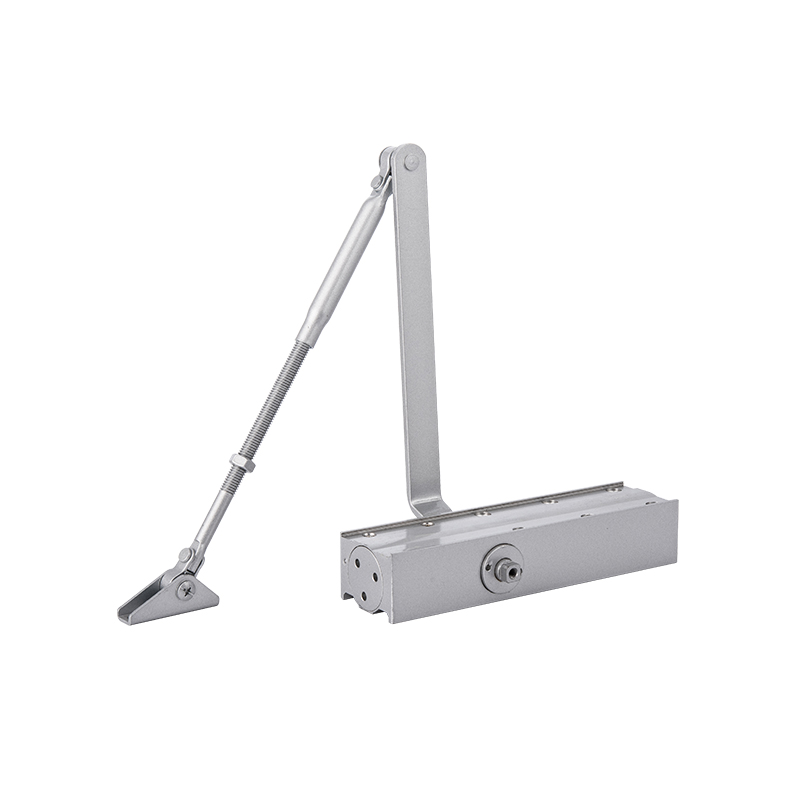
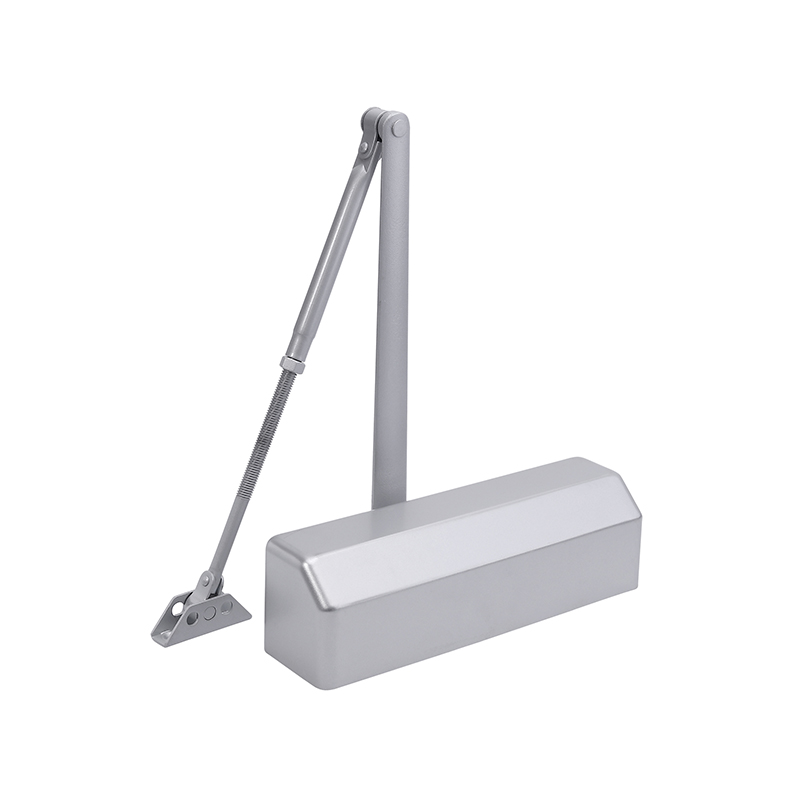
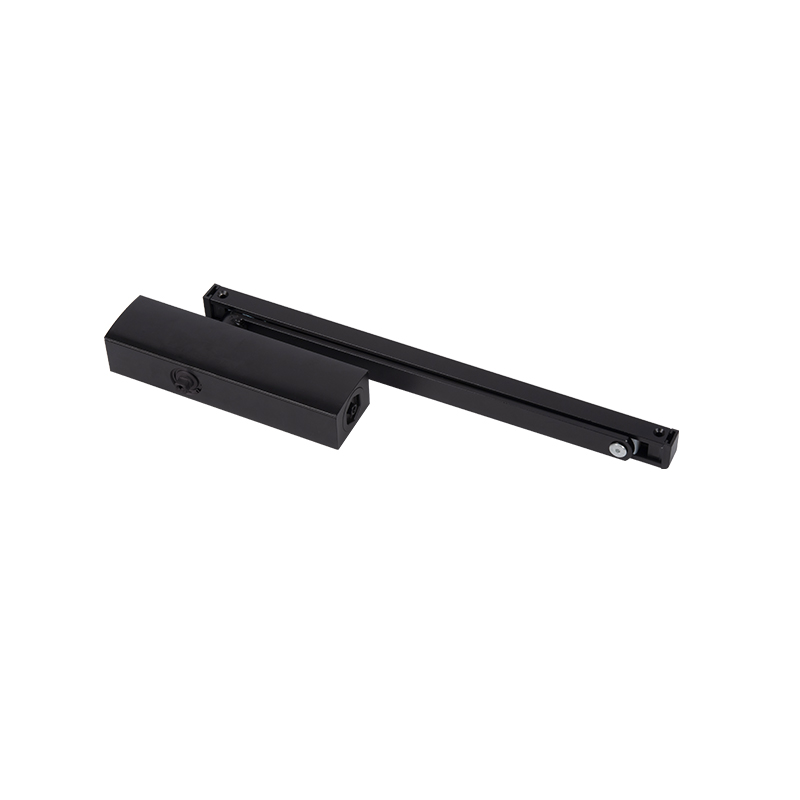
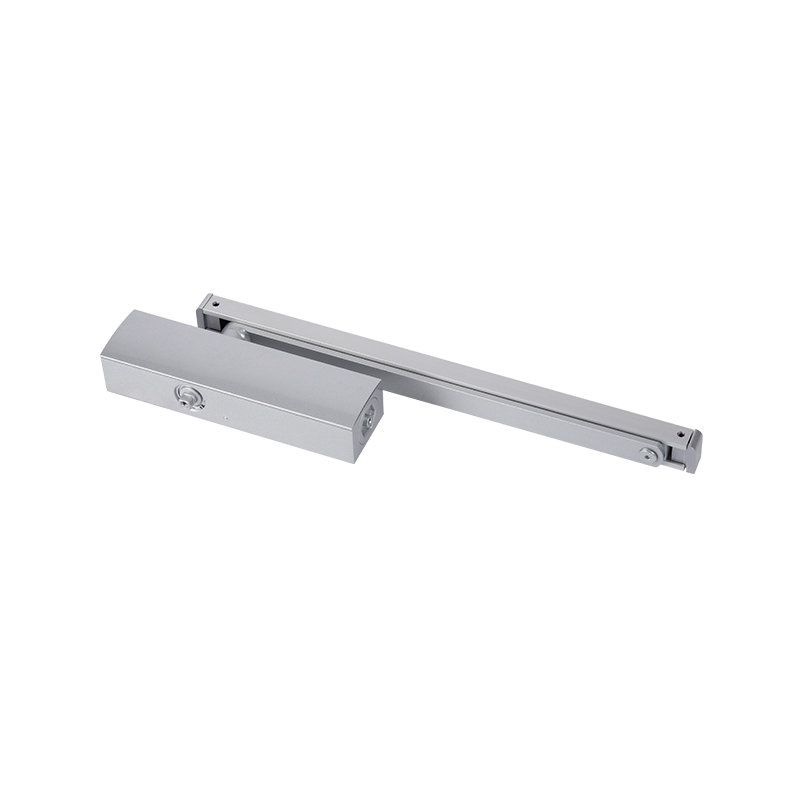
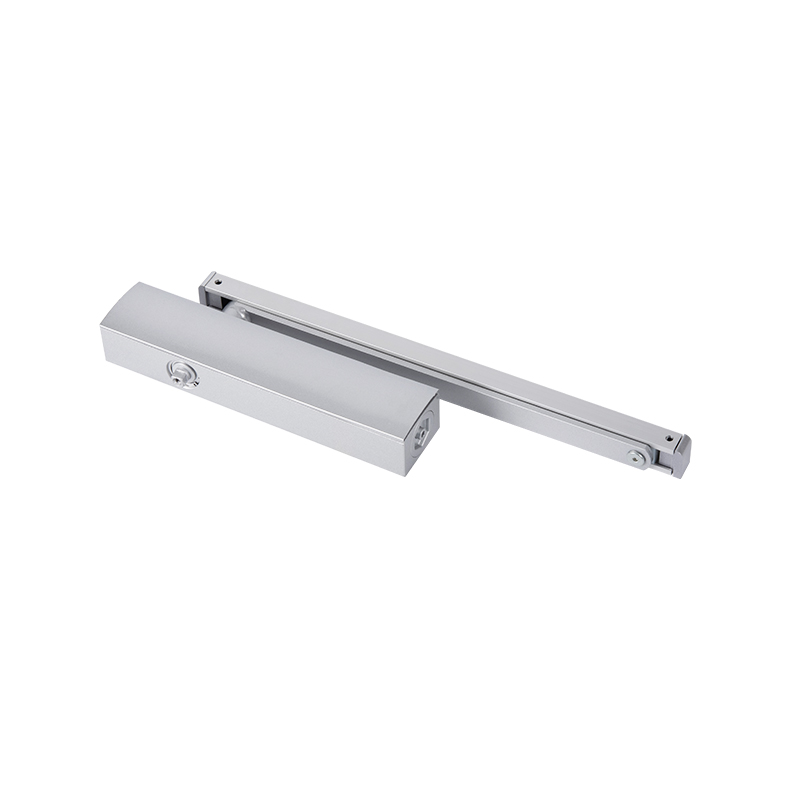
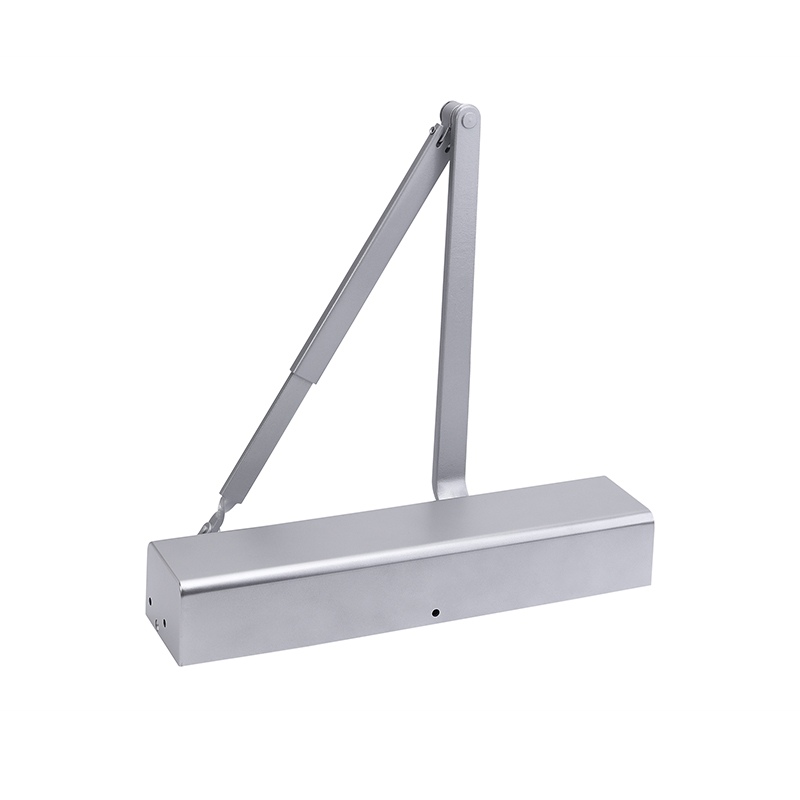
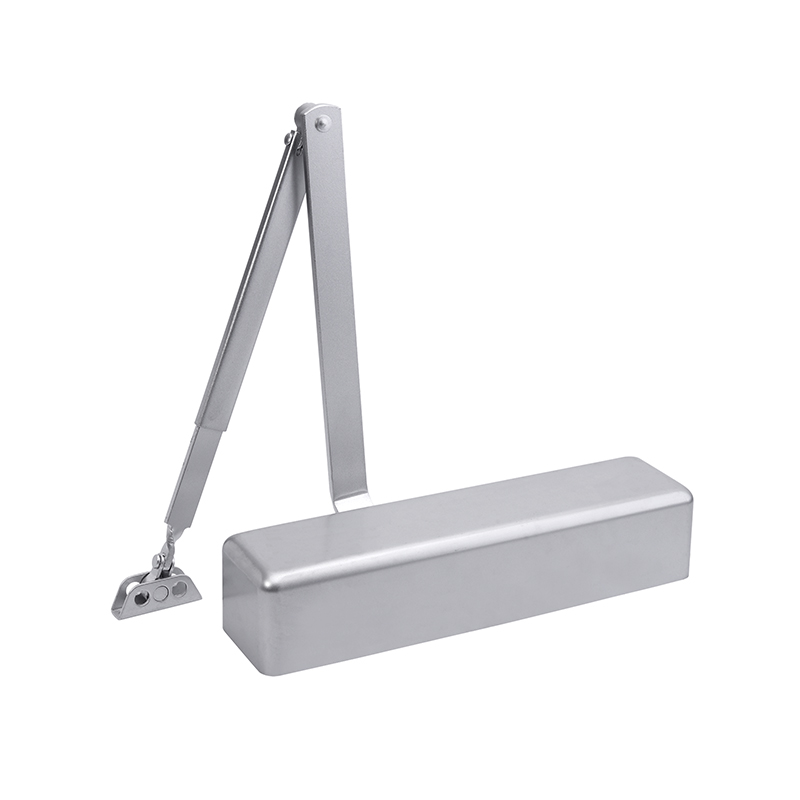
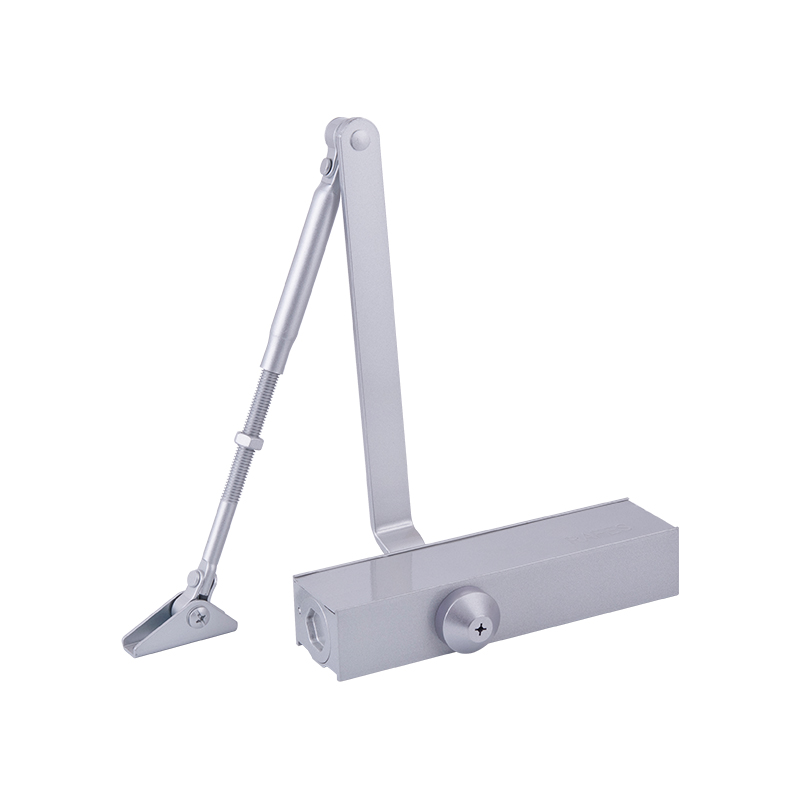
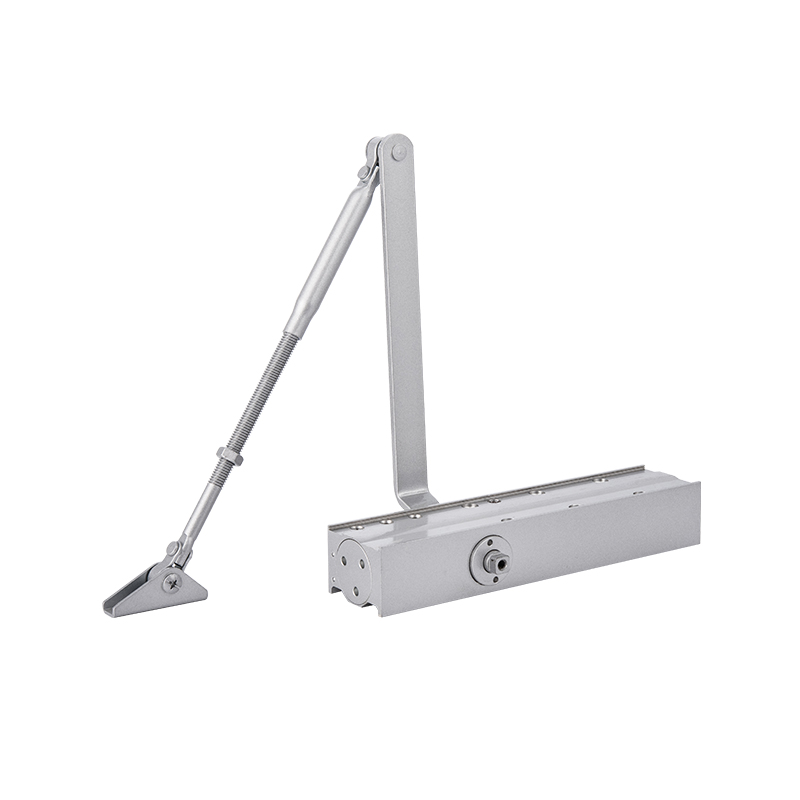
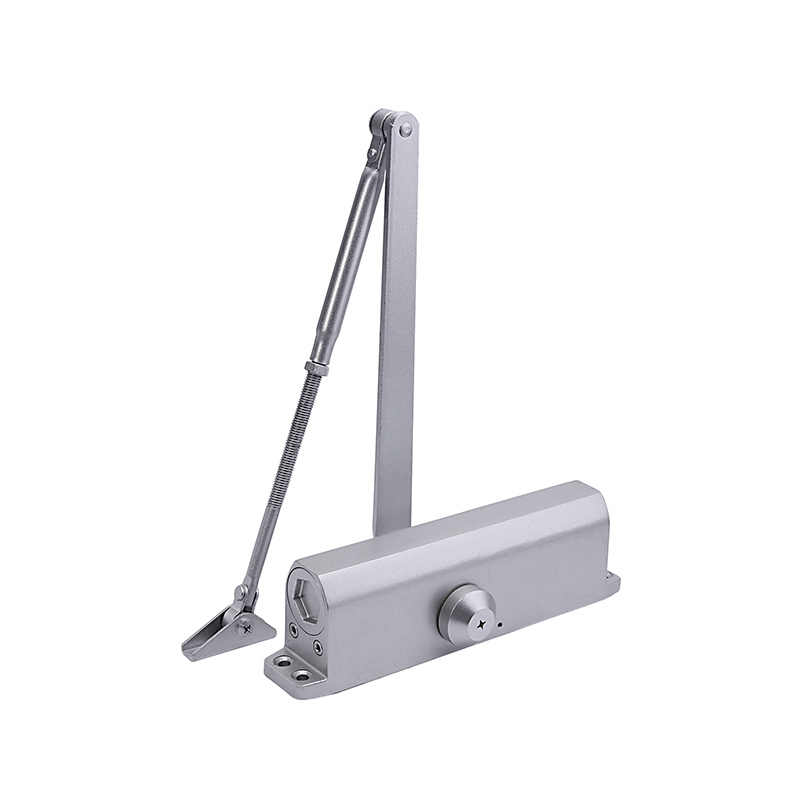
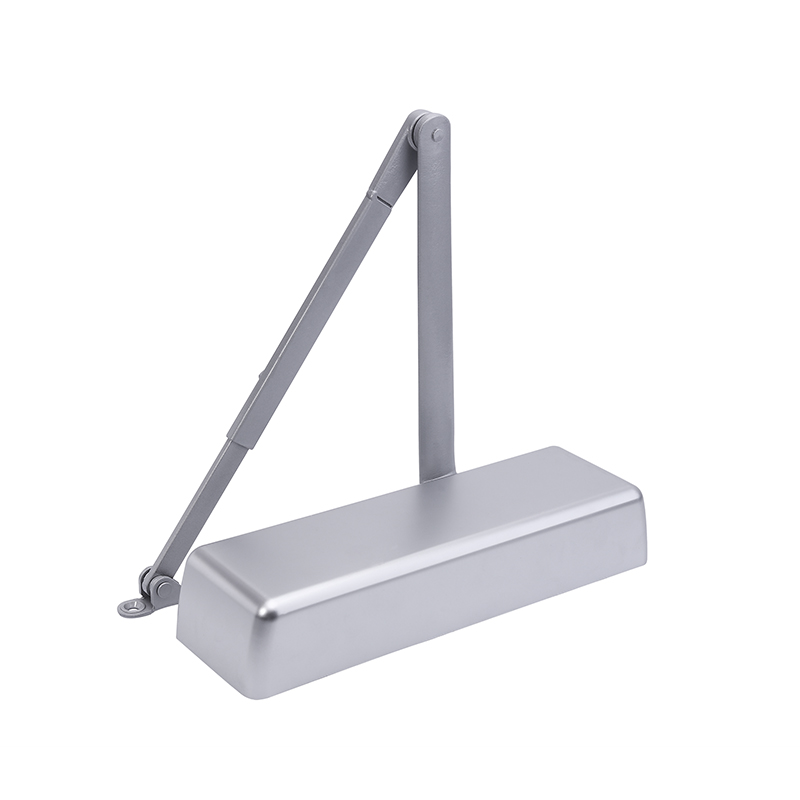
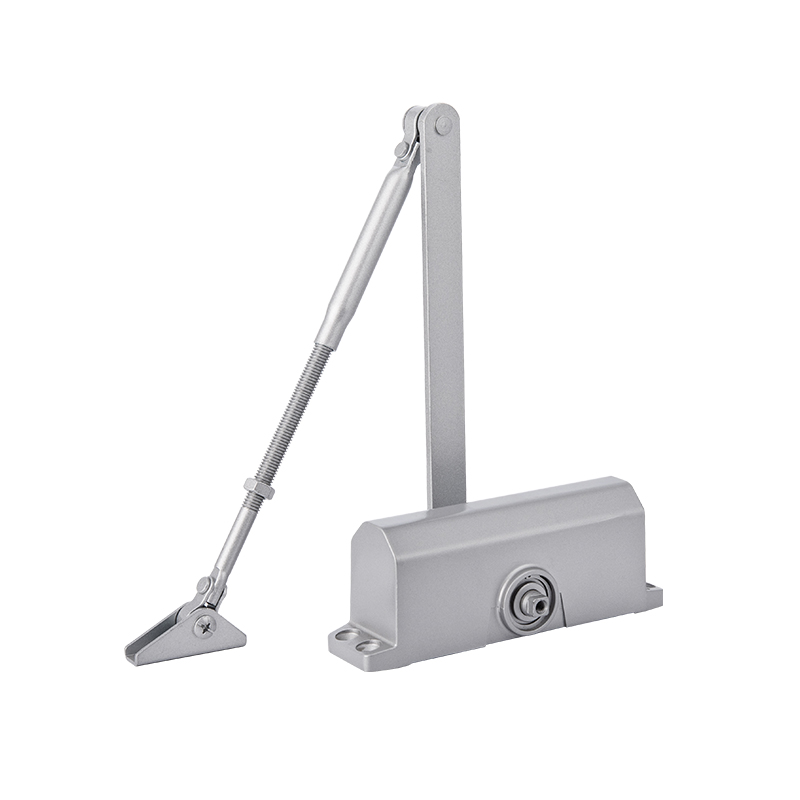
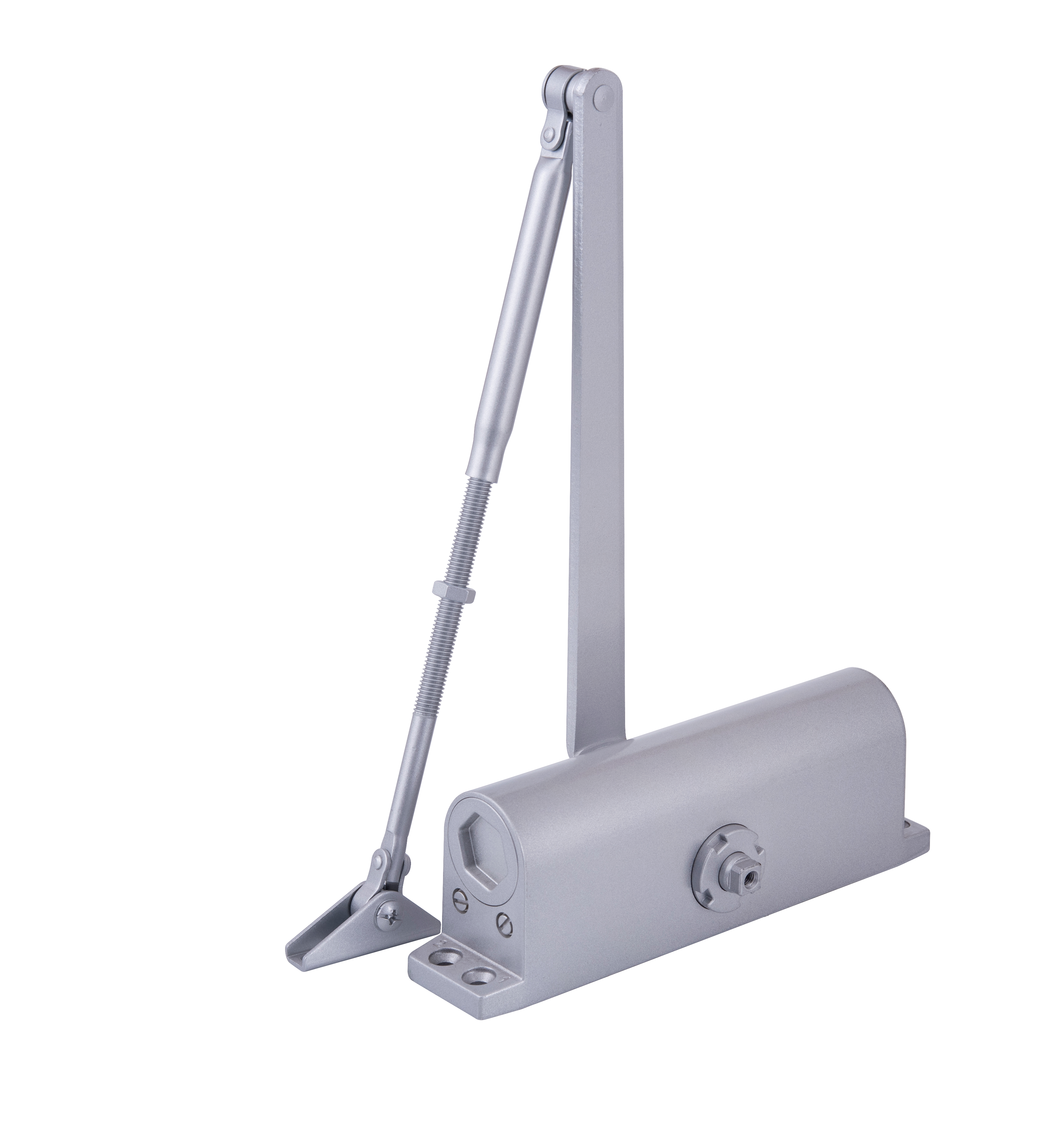
In global construction and renovation discussions, sourcing strategies for door hardware are quietly changing. On international B2B platforms and professional social media, buyers increasingly mention the need for flexible cooperation with a dependable Hardware ODM supplier, especially when projects require more than standard specifications. Within this context, the Back Check Door Closer is often highlighted as a practical solution that supports controlled door movement, reduced maintenance concerns, and better alignment with modern building expectations.
Door Hardware Is Now Part of Building Performance Design
In the past, door closers were selected late in a project, often based on availability rather than suitability. Today, overseas architects and facility planners are approaching door control as part of overall building performance.
Online discussions show growing awareness that door behavior affects user safety, noise control, wall protection, and even accessibility compliance. As a result, hardware components such as back check door closers are increasingly considered during early design stages rather than as afterthoughts.
Why Back Check Functionality Is Valued Across Multiple Scenarios
One common issue shared by international property managers is damage caused by doors opening too forcefully. External wind pressure, heavy doors, and frequent use can all contribute to impact problems that affect walls, frames, and hinges.
Back check door closers address this challenge by offering controlled resistance near the door’s maximum opening angle. This feature helps absorb excess force, improving stability and reducing long-term wear. It is frequently discussed in relation to office buildings, healthcare facilities, educational spaces, and transport hubs where door usage is both frequent and unpredictable.
The Growing Role of ODM Suppliers in Global Sourcing
As projects become more diverse, overseas buyers are less interested in one-size-fits-all products. Instead, they are looking for ODM partners that can adjust designs to suit different door sizes, usage patterns, and aesthetic requirements.
A capable Hardware ODM supplier can support this shift by offering product adaptation, technical consultation, and coordinated manufacturing. This collaborative approach is often mentioned in global sourcing conversations as a way to improve efficiency while maintaining consistent quality across different markets.
Customization That Balances Design and Function
Customization does not only mean changing appearance. In international projects, door hardware often needs to meet specific functional expectations while blending into architectural styles.
Through ODM cooperation, back check door closers can be adjusted in structure, control performance, and surface finish. This allows the same core product to serve different environments, from minimalist commercial interiors to high-traffic public facilities, without compromising operational reliability.
Safety, Comfort, and User Experience as Key Priorities
Safety is a recurring topic in overseas construction discussions. Doors that open too quickly can create hazards, particularly in buildings serving children, elderly users, or people with reduced mobility.
Back check mechanisms contribute to smoother, more predictable door movement. This improves user comfort and helps reduce sudden impacts, aligning with the broader global emphasis on human-centered building design.
Quality Consistency and Long-Term Reliability
When sourcing internationally, buyers place strong emphasis on consistency. Online conversations often reflect concerns about uneven product performance between batches or projects.
ODM suppliers with stable production processes and clear quality control systems are seen as more reliable partners. Consistent manufacturing supports long-term project planning and reduces the risk of post-installation issues, which is especially important for overseas buyers managing multiple sites.
Branding Opportunities in Competitive Markets
For distributors and regional brands, ODM cooperation also opens the door to differentiation. Many overseas sellers discuss the importance of offering products that reflect their own branding and market positioning.
Customized back check door closers allow distributors to align hardware appearance and specifications with local preferences, supporting stronger brand recognition while still relying on established manufacturing capability.
Sustainability and Lifecycle Thinking
Sustainability is increasingly discussed not just in terms of materials, but in product lifespan. Hardware that helps reduce structural damage and maintenance frequency contributes to more responsible building operation.
By improving control and reducing impact stress, back check door closers support longer service life for doors and surrounding structures, fitting well with global trends toward lifecycle-focused building solutions.
As international construction standards evolve, door hardware is being evaluated through a broader lens of safety, adaptability, and long-term value. The Back Check Door Closer continues to gain attention for its practical role in protecting buildings and improving user experience, while collaboration with a trusted Hardware ODM supplier allows overseas buyers to access customized solutions that align with diverse project demands and market expectations.

 中文简体
中文简体
 English
 русский
 عربى
عربى